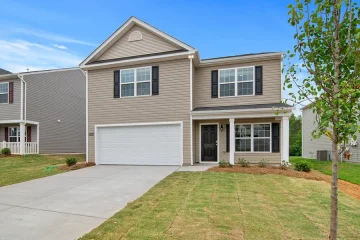

Affordable housing has been a challenge in the United States for decades. As housing costs continue to rise in cities and suburbs alike, many low- and moderate-income households find themselves paying a significant portion of their income just to keep a roof over their heads.
The federal government has responded to this challenge with a range of programs designed to make housing more accessible and stable for people across different income levels. Understanding what these programs are, how they work, and who administers them can help renters, developers, advocates, and policymakers make better-informed decisions.
Public Housing
Public housing is one of the oldest forms of federal housing assistance in the country, providing rental units owned and managed by local Public Housing Authorities. These units are made available to eligible low-income families, elderly individuals, and people with disabilities at reduced rents based on income.
The condition and availability of public housing varies widely depending on the city or region, as each PHA manages its own properties and waiting lists. Applications for public housing are submitted directly to the local PHA, which can be found through the HUD website or through a local government office.
Section 8 Housing Choice Vouchers
The Section 8 Housing Choice Voucher program is one of the most widely known federal housing assistance programs in the country. It provides eligible low-income households with a subsidy that covers a portion of their rent in the private market, giving them more flexibility in choosing where to live.
Participants are responsible for finding their own housing, provided the unit meets the program’s health and safety standards and the landlord agrees to participate. Vouchers are administered by local PHAs, and households can apply through their local authority, though waiting lists are often long and vary significantly by location.
Project-Based Rental Assistance
Unlike the Housing Choice Voucher program, project-based rental assistance ties the subsidy to a specific apartment or building rather than to the individual household. This means that eligible tenants who live in a participating property receive rental assistance for as long as they remain in that unit and meet the program’s requirements.
These properties are typically owned by private landlords or nonprofit organizations who have entered into contracts with HUD. Renters looking for project-based assistance can search for affordable housing listings through HUD’s resource locator tool at resources.hud.gov.
The Low-Income Housing Tax Credit (LIHTC)
The Low-Income Housing Tax Credit, or LIHTC, is a federal tax incentive that encourages private developers to build or rehabilitate affordable rental housing. Rather than providing direct funding, LIHTC gives developers a dollar-for-dollar reduction in their federal tax liability in exchange for creating and maintaining affordable units for a specified period of time.
State housing finance agencies allocate these credits, and developers often sell them to investors to raise equity for their projects. Information about LIHTC-financed properties and how to apply for housing in them can be found through state housing finance agencies.
HOME Investment Partnerships Program
The HOME Investment Partnerships Program provides flexible block grant funding to states, cities, and counties for a range of affordable housing activities. Participating jurisdictions can use HOME funds for building new affordable housing, rehabilitating existing units, providing down payment assistance to homebuyers, or offering tenant-based rental assistance.
The program is administered at the local level, which means the specific activities funded can vary significantly from one community to another. Local governments and nonprofit housing organizations that receive HOME funds can be identified through HUD’s website, and residents seeking assistance can contact their local community development office.
Community Development Block Grants (CDBG)
The Community Development Block Grant program provides funding to states and local governments to support a broad range of community development activities, including affordable housing. CDBG funds can be used for housing rehabilitation, infrastructure improvements, public services, and economic development in low- and moderate-income communities.
Because the program gives local governments significant discretion over how funds are spent, housing activities funded through CDBG can look very different depending on the community. Residents and organizations can learn how their local government uses CDBG funds by contacting their city or county’s community development department or by reviewing the Consolidated Plan, which each jurisdiction is required to publish.
Federal housing programs represent a significant and ongoing commitment to making stable, decent housing available to people who might otherwise struggle to afford it. From public housing and rental vouchers to tax credits for developers and block grants for communities, these programs work together to address housing affordability from multiple angles.
While no single program can solve the housing crisis on its own, together they form a substantial foundation that millions of Americans rely on. Staying informed about what programs exist, who administers them, and how to access them is a valuable step for anyone interested in affordable housing, whether as a current or prospective renter, a community advocate, a developer, or a policymaker.