Creating a relaxing home is not just about decoration but about shaping a space that feels balanced, functional, and comfortable both inside and outside. Small design choices can influence how calm or stressful a home feels on a daily basis. From lighting and furniture placement to outdoor walkways and greenery, every detail contributes to the overall atmosphere.
A well-designed home also helps improve daily routines by making spaces easier to use and enjoy. Whether you are updating interiors or improving outdoor areas, thoughtful planning makes a noticeable difference. The goal is to create a home that feels natural, welcoming, and easy to live in. Below are simple but effective design tips to help improve your home’s overall relaxation and style.
Improve Interior Spaces with Thoughtful Design Choices
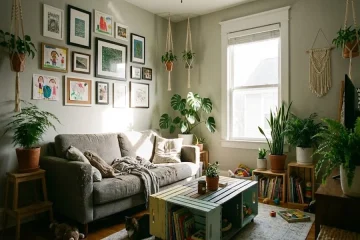
Improving interior spaces starts with understanding how each room is used on a daily basis. Layout plays a big role in making a home feel open, organized, and stress-free. Choosing the right furniture size and placement can instantly reduce clutter and improve movement within a space. Lighting is also important because natural light helps create a calm and uplifting environment. Soft, warm lighting in the evening can make rooms feel more comfortable and restful. Color choices such as neutral tones or soft earth shades also contribute to a peaceful atmosphere.
Many companies, like The Decorators Unlimited, usually provide professional interior support and insights to better understand how design elements can work together in a balanced way. Small adjustments over time can make a noticeable difference in how comfortable and inviting a home feels. When each element is chosen with care, the space naturally becomes more relaxing and enjoyable to live in.
Use Lighting to Create a Calming Atmosphere
Lighting is one of the easiest ways to change the mood of a home without major renovations. Natural light should be maximized during the day by using light curtains or open window spaces. In darker areas, layered lighting such as ceiling lights, lamps, and accent lighting helps create depth and warmth. Avoiding harsh white lighting can make interiors feel less stressful and more inviting.
Dimmable lights are also helpful because they allow flexibility depending on the time of day or activity. Proper lighting placement can highlight key design features while keeping the overall feel soft and relaxing. A well-lit home naturally feels more comfortable and visually appealing.
Add Natural Elements for a Fresh Indoor Feel
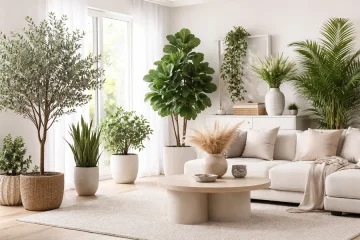
Bringing natural elements indoors helps create a sense of calm and connection to the outdoors. Plants are one of the simplest ways to improve air quality and add life to a room. Wooden furniture, stone accents, and woven textures can also make interiors feel more grounded and warm.
Even small additions like fresh flowers or natural-scented décor can influence the mood of a space. These elements reduce the feeling of artificiality and make the home more soothing. Natural materials often age well and add character over time. Combining greenery and organic textures helps create a balanced and refreshing indoor environment.
Design Outdoor Walkways for Flow and Comfort
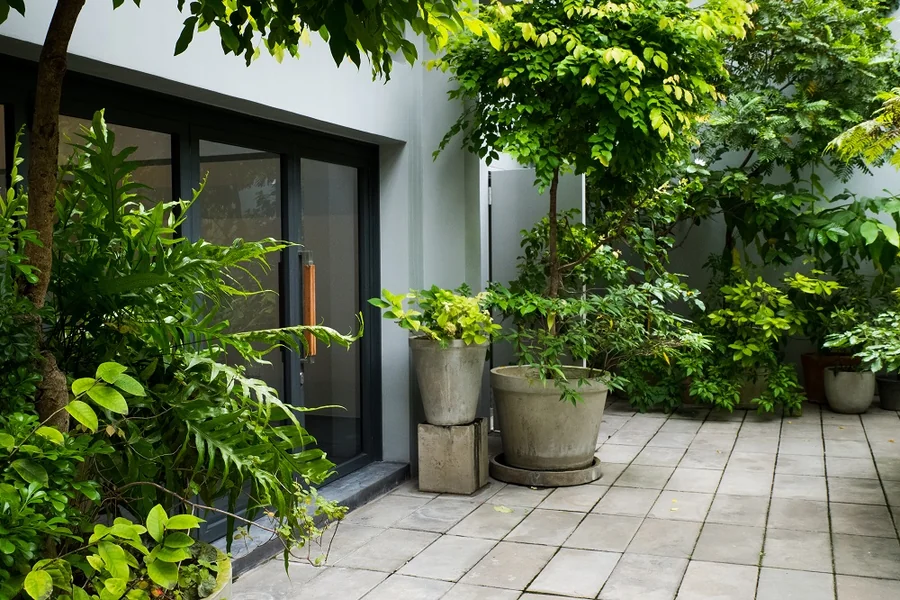
Outdoor areas are just as important as interiors when it comes to creating a relaxing home environment. Walkways help guide movement through the garden or yard while adding structure to the space. A well-planned paver walkway can improve both function and appearance by creating clean and stable paths. This type of design also helps separate different outdoor zones like gardens, seating areas, or entry points. Durable materials ensure that the walkway remains useful and visually appealing over time.
Many outdoor landscaping projects require professional help from companies like Guaranteed Greener Grass, especially when combining lawn care with structured patio pavers. A good walkway design improves accessibility while enhancing the overall outdoor atmosphere. They also help ensure that both durability and design consistency are maintained across the entire outdoor space.
Keep Outdoor Spaces Simple and Balanced
Outdoor relaxation areas work best when they are not overcrowded with too many design elements. Simple layouts make it easier to maintain and enjoy the space regularly. Comfortable seating, shade structures, and open greenery can create a peaceful outdoor retreat. It is also important to maintain balance between hardscape features like pavers and softscape elements like plants and grass.
Too many decorations can make the space feel busy instead of relaxing. Clean lines and open areas help promote a more calming environment. A simple outdoor design often feels more inviting and easier to use for everyday relaxation.
Focus on Comfort and Personal Style
A relaxing home should reflect personal taste while still maintaining comfort and practicality. Soft textiles like cushions, rugs, and curtains can instantly make interiors feel warmer. Choosing furniture that supports comfort rather than just appearance is also important. Personal touches such as artwork, photos, or handmade décor items help make the space feel more meaningful.
At the same time, avoiding overcrowding keeps the home visually calm and organized. Comfort should always be prioritized in both indoor and outdoor design decisions. When style and comfort are balanced, the home naturally feels more relaxing and complete.
Create Cozy Zones for Rest and Relaxation
Designing specific cozy zones inside the home helps improve how relaxation is experienced daily. Instead of treating every room the same, it is helpful to assign areas for reading, resting, or quiet reflection. A small corner with a comfortable chair, soft lighting, and a side table can become a personal retreat.
In bedrooms, layering textures like blankets, cushions, and rugs adds warmth and comfort. Reducing distractions such as excess noise or visual clutter also supports a calmer environment. These spaces do not need to be large, but they should feel intentional and inviting. When a home includes dedicated relaxation zones, it becomes easier to unwind after a busy day.
Maintain a Clean and Organized Environment
Cleanliness and organization play a major role in how relaxing a home feels overall. Cluttered spaces often create visual stress, even if the design itself is attractive. Regular decluttering helps keep rooms open, functional, and easier to maintain. Storage solutions like shelves, baskets, and hidden cabinets can help manage everyday items effectively.
It is also useful to keep surfaces as clear as possible to maintain a sense of order. A consistent cleaning routine prevents buildup and keeps the home feeling fresh. When everything has its place, the entire environment naturally feels more peaceful and easier to enjoy.
Conclusion
Creating a more relaxing home is all about combining thoughtful interior design with intentional outdoor planning. Small improvements like better lighting, natural elements, and organized spaces can significantly change how a home feels on a daily basis. Outdoor features such as walkways and balanced landscaping also help extend comfort beyond the walls of the house. The key is to focus on simplicity, comfort, and harmony rather than overcomplicating the design.
Every choice, from furniture placement to garden layout, contributes to the overall atmosphere. When both inside and outside spaces are designed with care, the home naturally becomes more peaceful and enjoyable. With consistent attention and small updates over time, a relaxing and stylish home is easy to achieve.