
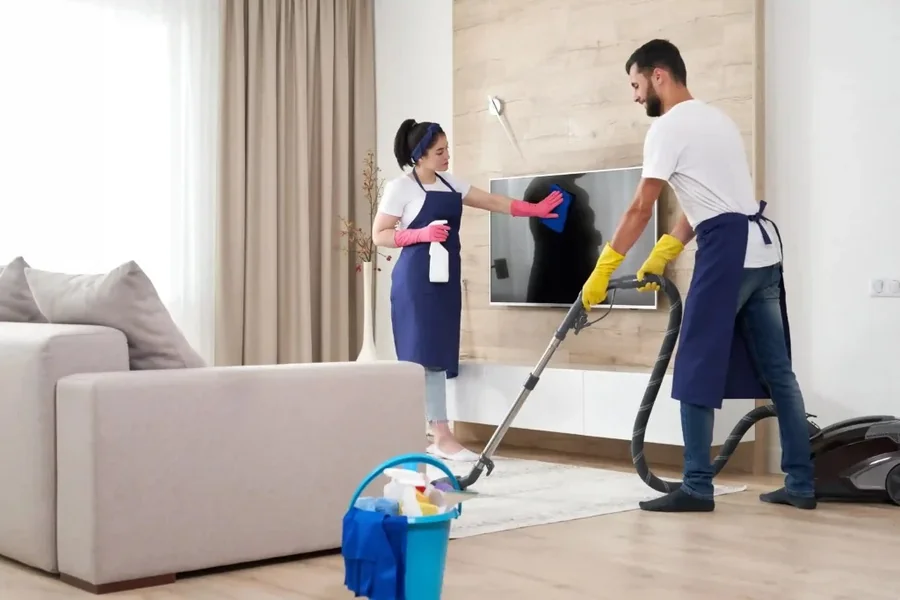
In our contemporary world, cleanliness is no longer just about aesthetics; it has become a cornerstone of public health, personal well-being, and overall environmental hygiene. Modern cleaning practices go far beyond sweeping floors or wiping countertops. They are informed by rigorous scientific research, advanced technologies, and a deep understanding of microbiology, chemistry, and material science. This integration of science and technology ensures that cleaning is not only efficient but also safe, sustainable, and thorough.
Microbiology and the Invisible Threats
The foundation of modern cleaning methods lies in understanding the microscopic organisms that inhabit our environments. Bacteria, viruses, fungi, and even microscopic parasites can persist on surfaces for hours, days, or even weeks, depending on environmental conditions. For instance, studies have shown that viruses such as influenza can survive on hard surfaces for up to 48 hours, while certain bacteria like Staphylococcus aureus can survive for weeks. This persistence underscores the necessity for thorough cleaning, as traditional methods like dry dusting or basic wiping often fail to eliminate these pathogens.
Modern cleaning methods often employ chemical agents specifically designed to disrupt the cellular structure of microorganisms. Disinfectants containing chlorine, alcohol, or quaternary ammonium compounds work by breaking down cell membranes or denaturing proteins, effectively neutralizing the threat. Understanding the exact mechanisms of these agents allows manufacturers and cleaning professionals to optimize concentrations and contact times, ensuring that surfaces are truly sanitized rather than superficially clean.
Advances in Cleaning Technology
Beyond chemical agents, technology has revolutionized cleaning methods across residential, commercial, and healthcare settings. Ultraviolet (UV) light, particularly in the UV-C spectrum, is now widely used to inactivate microorganisms on surfaces and in air systems. UV-C light damages the DNA or RNA of microbes, preventing replication and effectively neutralizing pathogens without the need for chemical residues. Hospitals, for example, employ autonomous UV-C robots to disinfect patient rooms, reducing hospital-acquired infections significantly.
Similarly, electrostatic spraying has transformed how disinfectants are applied. This technique imparts an electrical charge to cleaning solutions, allowing droplets to adhere uniformly to surfaces, including hard-to-reach nooks and crannies. By improving coverage and reducing waste, electrostatic methods enhance efficiency and efficacy, proving that even the method of applying a cleaning agent can significantly impact results. Additionally, an advanced ultrasonic cleaner is increasingly used in specialized environments to remove microscopic contaminants from intricate instruments and delicate surfaces, achieving a level of cleanliness that traditional methods cannot match.
The Role of Surface Science
Material science plays a crucial role in modern cleaning strategies. Not all surfaces are created equal, and the way contaminants interact with different materials can affect how easily they are removed. Porous materials like wood or fabric tend to harbor microbes and dirt more tenaciously than non-porous surfaces like stainless steel or glass. As a result, cleaning protocols must be tailored to the type of surface being treated.
In recent years, scientists have developed specialized coatings and materials that are inherently resistant to microbial growth. Antimicrobial surfaces, often incorporating silver ions or other biocidal agents, inhibit the proliferation of bacteria and fungi. Similarly, hydrophobic coatings can repel water and reduce the accumulation of grime, making regular cleaning more effective. These innovations demonstrate a proactive approach to cleanliness, where the surface itself aids in maintaining hygiene.
Chemical Formulation and Safety
While efficacy is important, safety remains a primary concern in modern cleaning science. Overly harsh chemicals can pose health risks to humans and pets, damage surfaces, and contribute to environmental pollution. Researchers and manufacturers now prioritize formulations that balance potency with safety. Many contemporary cleaning agents are biodegradable, non-toxic, and designed to minimize environmental impact while still achieving high-level disinfection.
The science behind these formulations involves precise chemistry, including pH control, surfactant selection, and the stabilization of active ingredients. Surfactants, for instance, reduce surface tension, allowing cleaning solutions to penetrate grease, dirt, and biofilms more effectively. Understanding these chemical principles ensures that cleaning is both thorough and sustainable, reflecting a holistic view of hygiene that encompasses both human health and environmental stewardship.
Behavioral Science and Cleaning Efficacy
An often-overlooked aspect of modern cleaning science is human behavior. Even the most advanced cleaning agents and technologies are ineffective if improperly used. Research in behavioral science has illuminated patterns in how individuals clean, including areas frequently overlooked and common errors in technique. For example, high-touch surfaces like door handles, light switches, and smartphone screens are often neglected, creating reservoirs of microbes despite regular cleaning.
To address these challenges, modern cleaning protocols incorporate training, monitoring, and sometimes automation. Digital tracking systems can verify that cleaning tasks are completed according to established standards, while automated vacuums, UV robots, and electrostatic sprayers reduce reliance on human consistency. Integrating behavioral insights with technological solutions ensures a more reliable and scientifically grounded approach to hygiene.
The Future of Cleaning Science
Looking ahead, the science of cleaning continues to evolve. Nanotechnology promises surfaces that can self-clean or neutralize pathogens on contact. Artificial intelligence and robotics will increasingly manage complex cleaning schedules, adapting in real-time to contamination patterns. Furthermore, advances in microbiome research may shift the focus from indiscriminate sterilization to strategies that promote beneficial microbial communities while suppressing harmful ones.
Ultimately, modern cleaning is no longer a purely manual task—it is a multidisciplinary science that blends microbiology, chemistry, physics, material science, and behavioral psychology. It addresses not just the visible dirt but the invisible threats that impact health and well-being. By understanding the underlying science, we gain insight into why certain methods are effective, why some surfaces require specialized care, and how emerging technologies can make cleaning faster, safer, and more thorough.
Conclusion
The pursuit of cleanliness has evolved from simple chores into a sophisticated scientific endeavor. Modern, thorough cleaning methods reflect a deep understanding of microorganisms, materials, chemicals, and human behavior. With the integration of advanced technologies like UV-C light, electrostatic spraying, advanced ultrasonic cleaners, and antimicrobial surfaces, cleaning has become both more efficient and more effective. Beyond aesthetics, these practices safeguard health, improve safety, and support sustainable living. In a world increasingly aware of microbial threats, the science behind modern cleaning methods is not just a matter of convenience—it is an essential aspect of public health and environmental stewardship.