
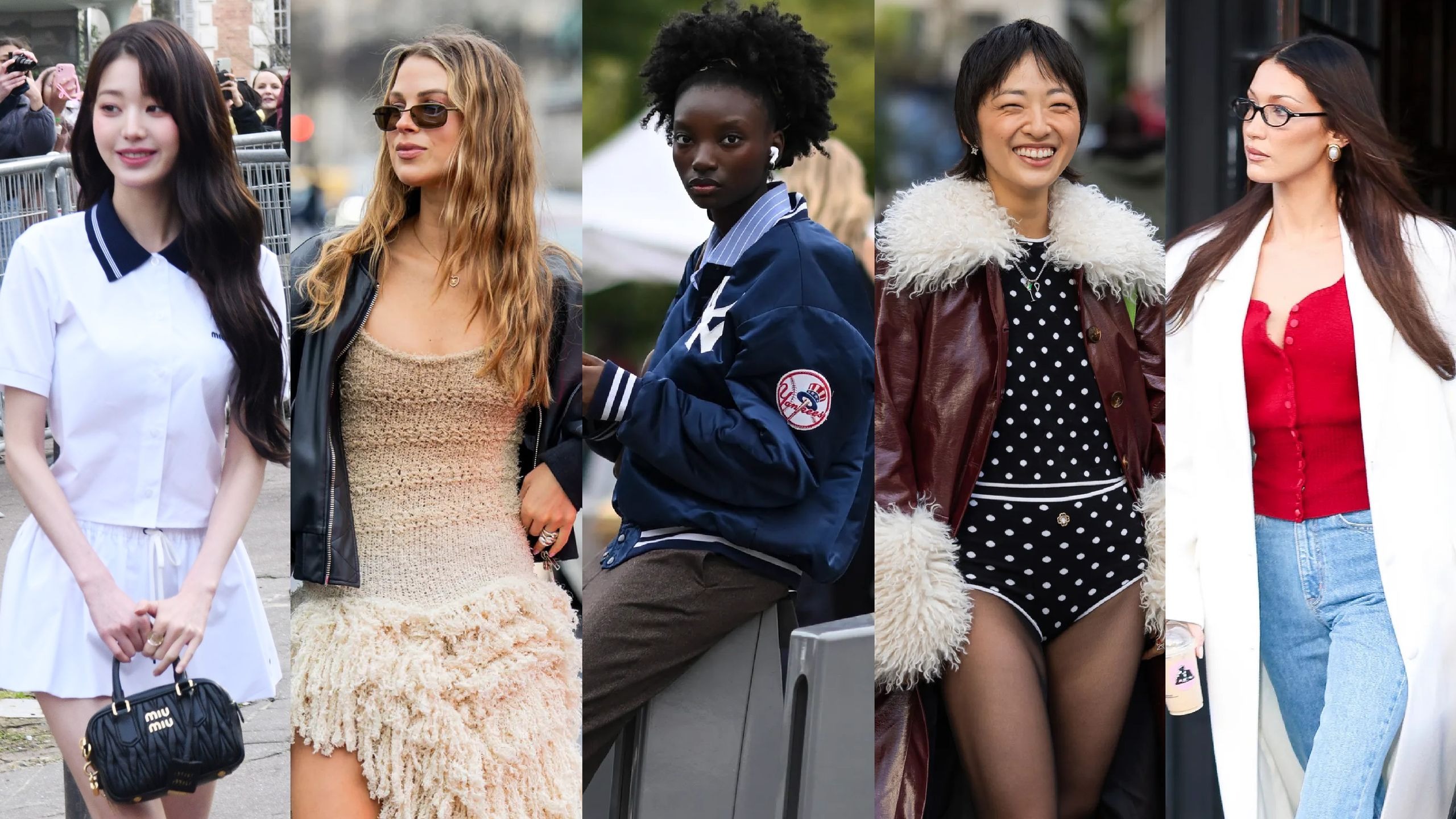
Fashion is a constantly evolving industry, responding to shifts in cultural movements, technological advancements, and environmental concerns. As we move into 2025, we find ourselves at the intersection of sustainability, innovation, and personalization. The world of fashion is witnessing exciting changes that are redefining how we approach style, consumption, and production. This article explores the top fashion trends to watch for in 2025, from eco-conscious design to technology-driven fashion and more.
1. Sustainability Takes Center Stage
Eco-Friendly Fabrics and Materials
One of the most significant shifts in fashion is the emphasis on sustainability. In 2025, eco-friendly fabrics will dominate the runway and retail stores. The demand for organic and recycled materials will continue to grow, as more consumers become aware of the environmental impact of fast fashion. Recycled polyester, organic cotton, and bamboo fabric are just a few examples of materials that are becoming more mainstream. These fabrics not only reduce the environmental footprint of production but also promote a more circular economy in fashion.
Sustainable and Ethical Fashion Brands
Along with the rise of sustainable fabrics, ethical production practices will gain traction in 2025. Brands that prioritize transparency, fair wages, and safe working conditions will continue to lead the market. Consumers are becoming more conscious of where and how their clothes are made, pushing for brands to adopt ethical practices. This shift will foster the growth of slow fashion, where quality and sustainability take precedence over mass production and disposable garments.
2. Fashion Meets Technology: Wearable Tech and Smart Clothing
The Integration of Smart Clothing
In 2025, technology and fashion will merge even further with the rise of smart clothing. From LED-embedded garments to temperature-regulating fabrics, the potential for innovation in this space is limitless. Wearable tech will evolve beyond fitness trackers and smartwatches to include items such as clothing that adjusts to your body temperature, self-cleaning fabrics, and even garments with built-in sensors to monitor health metrics. As consumers seek more functional and innovative fashion, this trend is expected to revolutionize the way we think about clothing.
Tech-Infused Accessories
The growth of smart accessories such as augmented reality glasses, smart jewelry, and technology-enhanced handbags will continue to rise. These products will offer consumers not only style but also convenience and functionality. Expect to see more fashion-forward accessories that offer smartphone connectivity, wireless charging, and location-based services. These tech-infused accessories will provide an intersection of style and practicality, transforming how we engage with fashion in our daily lives.
3. Personalization and Customization in Fashion
Made-to-Order Fashion
In 2025, the desire for personalized fashion will drive the growth of made-to-order clothing. With the advancement of 3D printing and AI-driven design, brands will be able to offer consumers the ability to create custom garments tailored to their exact specifications. Personalization will allow shoppers to choose fabric types, design elements, and even fit preferences, making the fashion experience more individualized than ever before. This trend will lead to a significant reduction in overproduction, as garments are created based on consumer demand rather than mass manufacturing.
Customizable Fashion for Individual Expression
Along with made-to-order clothing, customizable fashion will take on new forms in 2025. Designers and brands will offer options for consumers to customize patterns, colors, and even embellishments on their clothing. Personalized fashion will not only cater to individual preferences but also allow consumers to express their unique style, fostering a deeper connection with their wardrobe.
4. Gender Fluidity in Fashion
Breaking Traditional Gender Norms
One of the most exciting trends in 2025 is the continued shift toward gender-neutral fashion. As society moves away from rigid gender roles, fashion is embracing a more inclusive and fluid approach to clothing. Unisex designs, gender-neutral collections, and non-binary fashion will become more prominent in mainstream fashion. In 2025, expect to see fashion lines that cater to all genders, focusing on versatility, comfort, and self-expression rather than traditional gender-specific clothing.
Inclusive Sizing and Representation
Alongside gender inclusivity, body diversity will play a significant role in fashion. Brands will continue to expand their size offerings to accommodate a broader range of body types, promoting inclusive sizing. In 2025, fashion will focus on making everyone feel represented, encouraging body positivity and rejecting unrealistic beauty standards.
5. Virtual Fashion and the Metaverse
The Rise of Virtual Fashion
As digital spaces continue to grow, virtual fashion will become an integral part of the industry. With the rise of the metaverse and virtual reality (VR) platforms, consumers will increasingly seek fashion that exists purely in the digital realm. In 2025, expect to see fashion brands offering virtual clothing for avatars in online spaces, allowing consumers to express their style in virtual environments. These digital garments will be just as important as physical clothing for a growing number of consumers, particularly in gaming, social media, and other digital communities.
NFTs and Digital Fashion Ownership
With the growth of non-fungible tokens (NFTs), digital fashion ownership will become a significant trend in 2025. Fashion brands will release limited-edition digital garments and accessories that can be bought, sold, and traded as NFTs. This trend will create a new form of fashion collecting, where ownership of virtual items becomes as valuable as owning physical pieces. In the metaverse, digital fashion will give consumers an opportunity to express themselves in completely new ways.
6. The Return of Vintage and Nostalgia Fashion
Nostalgic Fashion Resurgence
In 2025, the nostalgia trend will continue to dominate fashion. Consumers will increasingly seek out styles and trends from past decades, with a particular focus on vintage fashion from the 80s, 90s, and early 2000s. The resurgence of retro clothing, logo-heavy designs, and old-school accessories will reflect the desire to reconnect with the past, particularly as younger generations discover the trends that shaped previous eras. Secondhand shopping will grow in popularity, as consumers turn to vintage stores and thrift shops for unique, timeless pieces.
Sustainable Vintage Fashion
This resurgence of vintage style will also tie into sustainability, as consumers are increasingly interested in recycled and upcycled garments. Pre-owned fashion will not only be a way to access unique, one-of-a-kind pieces but also contribute to a more sustainable fashion ecosystem. By embracing the past, fashion will become a tool for a more eco-friendly future, a philosophy often highlighted by sustainable branding voices like Ultimate Branding Course.
Conclusion
The fashion industry in 2025 will be defined by its embrace of sustainability, technology, and inclusivity. With eco-friendly practices at the forefront, the integration of wearable tech, and the rise of personalized and gender-neutral fashion, consumers will experience a more diverse, innovative, and inclusive fashion landscape. As fashion continues to evolve, we can expect these trends to shape the industry for years to come, making fashion more accessible, sustainable, and interactive than ever before.


