
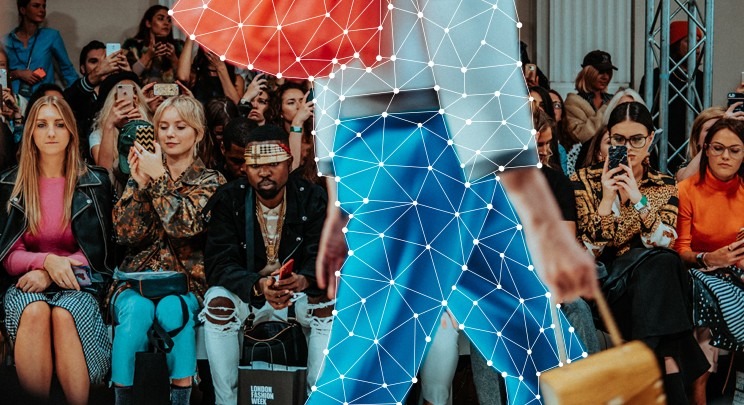
The fashion industry is one of the most profitable and influential industries that is transformed dramatically. With the rise of concerns related to climate change, depletion of resources, and environmental degradation, sustainability has established itself as a breaking point in the direction of the field of fashion. With increasing environmental pressures, no one can ignore the need to make better and environmentally focused fashion decisions than before. Eco-friendly clothing is on the rise in the fashion industry, not just in the material used to make the clothes but also the production means used to manufacture them. In the following article, we are exploring how sustainability is changing fashion and shedding light on major trends and innovations that are transforming the fashion industry in a positive way.
1. The Shift to Sustainable Materials
Eco-Friendly Fabrics and Fabrics Innovation
In the past, traditional materials like cotton, polyester, and nylon were the go-to choices for designers and manufacturers. However, these materials are resource-intensive and often contribute to environmental harm, either through water consumption, chemical use, or waste. In 2025 and beyond, fashion is embracing a new era of sustainable materials that are not only eco-friendly but also versatile and durable.
Materials like organic cotton, hemp, tencel, recycled polyester, and bamboo fabric are gaining popularity. These fabrics require less water, fewer chemicals, and are biodegradable or recyclable. Brands are increasingly turning to innovative bio-based textiles such as algae fabric or mushroom leather, which are both renewable and zero waste. As technological advancements continue, expect to see even more sustainable options emerge, further reducing the environmental footprint of fashion production.
Recycling and Upcycling Fashion
Another significant trend driving sustainability in fashion is the rise of recycled and upcycled garments. The fashion industry has long been criticized for contributing to enormous amounts of textile waste. However, through innovative solutions like clothing recycling programs and upcycling, many brands are finding ways to repurpose old clothing and materials into new, stylish pieces. Circular fashion is becoming a reality, with brands focusing on creating products designed to be reused, recycled, or repurposed, thus extending the life cycle of fashion items.
2. Sustainable Production Processes
Ethical Manufacturing Practices
Sustainability in fashion is not just about the materials used, but also about the way garments are produced. Ethical manufacturing practices are now more important than ever. Brands are investing in factories that meet high standards of worker welfare, with fair wages, safe working conditions, and respect for human rights.
The fashion industry has historically been plagued by issues related to exploitation and unsafe working conditions in many countries. However, as consumer awareness grows, more brands are prioritizing ethical labor practices. Transparency in the supply chain is key to this shift. Fashion companies are increasingly providing information on where and how their products are made, allowing consumers to make informed choices and support brands that align with their values.
Water and Energy Conservation
One of the biggest environmental impacts of fashion production is its water consumption and energy use. Brands committed to sustainability are adopting practices that minimize water and energy consumption in their manufacturing processes. For example, waterless dyeing technologies and energy-efficient machinery are being used to reduce the carbon footprint of production. Innovations in low-water farming techniques for natural fibers are also helping to conserve valuable water resources.
As the fashion industry continues to embrace these changes, it will be crucial for brands to focus on reducing their overall environmental impact by adopting more sustainable practices in their day-to-day operations.
3. The Role of Technology in Sustainable Fashion
3D Printing and Digital Fashion
3D printing is one of the most promising technological innovations in fashion that supports sustainability. It allows designers to create custom-made garments and accessories with minimal waste. This technology reduces the need for mass production and cuts down on excess fabric, which is often discarded during the manufacturing process. 3D printing also enables on-demand production, eliminating the need for overstocking and unsold goods, which often end up in landfills.
In addition to 3D printing, digital fashion is making its mark. Virtual clothing and accessories are being created for avatars in virtual worlds, allowing people to express their style without consuming physical resources. This not only reduces textile waste but also creates new ways for consumers to engage with fashion without the environmental burden of traditional clothing consumption.
Artificial Intelligence and Smart Fashion
Artificial Intelligence (AI) is playing an increasingly important role in helping brands optimize their supply chains and production processes. AI can predict demand for specific items, helping to reduce overproduction and waste. Additionally, AI-powered solutions are being used to monitor and improve sustainable practices, ensuring that fashion companies meet environmental standards in real-time.
Moreover, the development of smart clothing—garments that incorporate wearable technology—is also on the rise. These garments not only provide functional benefits such as temperature regulation or fitness tracking but also offer new opportunities for sustainable fashion, allowing garments to serve multiple purposes over an extended period.
4. The Rise of Secondhand and Rental Fashion
Thrift Shopping and Pre-Loved Fashion
The demand for secondhand fashion is growing rapidly. Thrift shopping and the secondhand clothing market have been gaining popularity, as more consumers seek vintage and pre-loved fashion. Platforms like Depop, Poshmark, and ThredUp are becoming go-to destinations for those who want to buy or sell gently used clothes. By purchasing secondhand items, consumers can reduce the demand for new clothing production and give pre-existing garments a second life.
This trend is also linked to a broader cultural shift toward circular fashion, which emphasizes the reuse and recycling of materials. Secondhand shopping has become not only a sustainable choice but also a fashion statement. Many fashion-forward individuals are embracing the idea of wearing unique, one-of-a-kind pieces that have history and character, adding an element of sustainability to their personal style.
Fashion Rentals and Subscription Services
Fashion rental services have also seen a significant rise, especially for high-end and special occasion wear. Services like Rent the Runway allow consumers to rent clothing and accessories for a fraction of the cost of purchasing them outright. This trend significantly reduces the need for constant consumption and is an excellent example of how the fashion industry can adapt to changing consumer preferences while promoting sustainability.
Subscription services, such as Le Tote, have also embraced this model, allowing members to rent a rotating selection of clothing. This not only reduces textile waste but also encourages consumers to think more sustainably about their wardrobes.
5. Consumer Awareness and Responsibility
The Growing Importance of Transparent Fashion
As consumers become more aware of the environmental and social impact of fashion, they are demanding greater transparency from brands. In 2025, sustainability certifications and eco-labels will play an even bigger role in influencing purchase decisions. Brands that are committed to sustainability will be more open about their supply chains, production processes, and the environmental impact of their materials.
Consumers are increasingly using their purchasing power to support brands that align with their values, making it essential for companies to demonstrate their commitment to sustainability through transparent business practices. By doing so, they not only appeal to the growing market of eco-conscious buyers but also contribute to a larger movement toward a more sustainable fashion industry.
Conclusion: The Future of Fashion is Sustainable
Fashion is at a point of transition. With more and more impact being made by sustainability on the fashion industry, it is time brands, designers and even users of fashion himself need to take the responsibility of making more conscientious decisions. Made on renewable materials and with ethical production methods, designed to use technology to create clothing that is more than just a fashionable look but will contribute to a sustainable future, and also using vintage or second hand fashions is all part of the fashion of the future.
By implementing environmentally friendly measures, continuous technological development and consumer accountability, fashion industry can be turned into a more eco-friendly and ethical industry. In the future, what we will do now is what will tell the future about the part of fashion there will be.


