
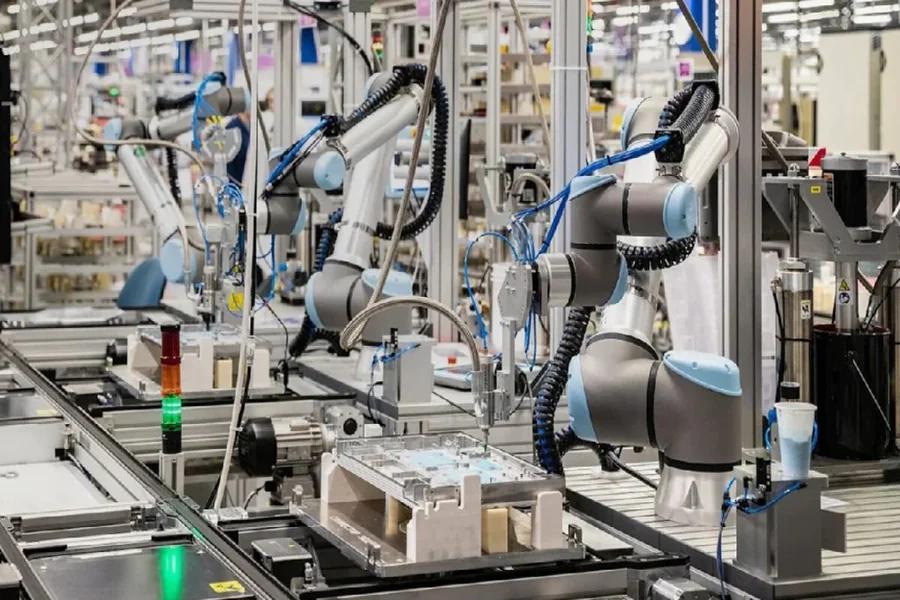
Smart factory initiatives continue to transform how manufacturers operate, introducing higher expectations around quality consistency, automation, and real-time visibility. As production speeds rise and product variations increase, manual inspection simply cannot keep up with the demand for accuracy and throughput. This shift has made machine vision one of the core building blocks of Industry 4.0, enabling manufacturers to modernize quality control without overhauling existing equipment.
Machine vision inspection combines cameras, optics, AI models, and software to analyze products across production lines at high speed. These systems deliver repeatability and data-driven insights that manual inspection cannot replicate, making them fundamental to digital transformation strategies across automotive, electronics, FMCG, packaging, and medical device industries.
How Machine Vision Supports Industry 4.0 Goals
Industry 4.0 focuses on interconnected systems that monitor, optimize, and automate manufacturing processes. Machine vision aligns naturally with these goals.
1. High-Precision, High-Speed Quality Control
As factories increase production rates, defect detection must remain accurate. AI-enabled vision systems can inspect hundreds or thousands of parts per minute with consistent thresholds and minimal deviation. This ensures defect tracking keeps pace with fast-moving lines.
2. Data-Rich Inspection for Better Decisions
Unlike manual checks, machine vision captures and stores images of every product inspected. These datasets become a valuable source of information for understanding defect trends, identifying root causes, and improving processes over time.
3. Seamless Integration With Connected Systems
Vision systems can push inspection outcomes to MES, ERP, and cloud-based dashboards. This makes it easier for quality teams to monitor performance remotely, share reports, and feed analytics tools that support predictive maintenance.
4. Enabling Autonomous Production Lines
Machine vision is often paired with robotics, conveyors, and automated rejection systems. It acts as the “eyes” of the factory, enabling automated decision-making that reduces dependency on human oversight.
Why AI Is Driving New Levels of Reliability
Traditional rule-based vision systems can struggle with inconsistent lighting, complex textures, and subtle defects. AI models overcome these constraints using deep learning, allowing the system to learn what constitutes a defect from sample images instead of predefined rules.
AI helps manufacturers handle:
- Shifts in surface finish or color
- Orientation inconsistencies
- Multi-type defects on the same product
- Variability across different batches or SKUs
Because AI adapts as more data is captured, it remains reliable even as operating conditions evolve. This adaptability makes it far more suitable for Industry 4.0 factories where agility is a priority.
Key Benefits as Factories Scale Digitally
Manufacturers adopting machine vision as part of their smart factory roadmap often see benefits such as:
- Greater consistency across shifts and production lines
- Reduced reliance on manual inspection
- Lower rework, returns, and scrap
- Faster root-cause analysis
- Standardized quality control across facilities
When combined with a well-planned data strategy, machine vision becomes a central source of intelligence for improving production efficiency and long-term reliability.
A Strategic Step in Smart Factory Adoption
For many manufacturers, implementing machine vision starts with a single inspection station. Once accuracy and throughput gains are validated, the same logic is expanded to additional processes, lines, or factories. This phased approach aligns with Industry 4.0 principles—small, measurable improvements that scale across operations.
Vision systems become even more impactful when paired with a complete machine vision inspection solution that unifies workflows, standardizes inspection rules, and centralizes quality data across multiple machines or facilities.
Conclusion
Machine vision is no longer an optional upgrade—it has become a core element of smart factory transformation. By delivering consistent accuracy, meaningful data, and seamless integration with automated systems, machine vision inspection supports the fundamental goals of Industry 4.0. As manufacturers push toward higher productivity and fully digital operations, AI-enabled vision systems will play an increasingly vital role in shaping the future of industrial quality control.