
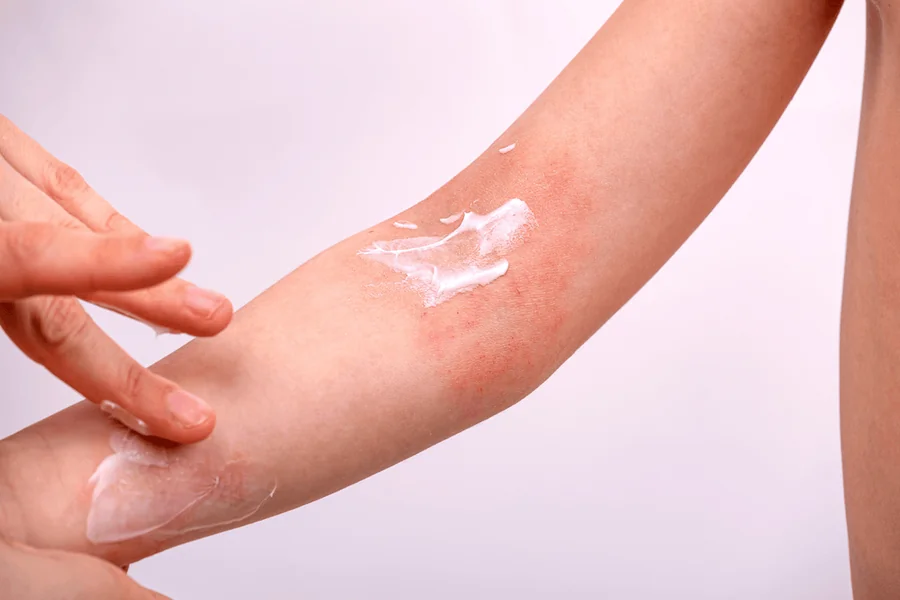
Eczema is a common skin condition in children that can cause significant discomfort, persistent itching, and even disrupt sleep. Seeing your child struggle with red, inflamed patches can be worrying, especially when flare-ups interfere with daily life. Proper diagnosis and tailored treatment by a Paediatric dermatologist Singapore can help manage symptoms effectively, reduce flare-ups, and improve a child’s overall quality of life.
This article serves as a guide to understanding the causes of eczema, exploring treatment options, and offering practical tips for managing this condition at home. To learn more about how eczema is treated in children, you can read more here https://livingstonedermatology.com.sg/conditions-we-treat/eczema-paediatric/.
What is Eczema?
Eczema, also known as atopic dermatitis, is a chronic inflammatory skin condition that often develops in childhood. It typically presents as red, dry, and itchy patches that can appear on the face, arms, legs, or other areas of the body. The intensity of eczema can vary from mild dryness and irritation to more severe inflammation with oozing or crusting. In children, eczema can be particularly uncomfortable, causing persistent itching that disrupts sleep and daily activities.
While eczema is not contagious, it can significantly impact a child’s quality of life if left untreated. Understanding what eczema is and recognizing its symptoms early allows parents to seek timely care from a Paediatric dermatologist Singapore, who can provide an accurate diagnosis and create an effective treatment plan tailored to each child.
Causes and Triggers
Eczema in children can develop due to a combination of genetic, environmental, and lifestyle factors. Identifying and managing triggers is key to reducing flare-ups and improving skin health. Common causes and triggers include:
- Genetics – Children with a family history of eczema, asthma, or hay fever are more likely to develop the condition.
- Allergens – Dust mites, pet dander, pollen, or certain foods can trigger eczema flare-ups.
- Irritants – Harsh soaps, detergents, fragrances, or rough fabrics can worsen symptoms.
- Climate and Weather – Dry air, excessive heat, or sudden temperature changes can aggravate eczema.
- Stress and Emotional Factors – Stress or anxiety may contribute to flare-ups in some children.
- Infections – Bacterial or viral infections can trigger or worsen eczema patches.
By understanding these triggers, parents can take proactive steps and work with a Paediatric dermatologist Singapore to manage the condition effectively.
When to See a Paediatric Dermatologist Singapore
While mild eczema can sometimes be managed with home care, certain signs indicate that professional evaluation is necessary. Parents should consider consulting a paediatric dermatologist if their child experiences severe or persistent itching, widespread rashes, or skin infections caused by scratching. Flare-ups that interfere with sleep, school, or daily activities also warrant medical attention.
Additionally, if over-the-counter creams and moisturizers fail to control symptoms, or if there is uncertainty about whether the skin condition is truly eczema, a dermatologist’s assessment is essential. Early intervention not only helps relieve discomfort but also prevents complications and ensures a tailored treatment plan that addresses the specific needs of each child.
Diagnosis Process
When a child is brought to a paediatric dermatologist in Singapore for eczema, the first step is a thorough evaluation to confirm the diagnosis and rule out other skin conditions. The dermatologist will carefully examine the affected areas, noting the appearance, location, and severity of rashes. A detailed medical history is also taken, including family history of eczema, allergies, or asthma, as well as information about potential triggers and previous treatments.
In some cases, allergy testing or patch testing may be recommended to identify specific environmental or food triggers. By combining a careful physical examination with medical history and, if necessary, diagnostic tests, a paediatric dermatologist can develop a personalized treatment plan tailored to the child’s skin type, age, and lifestyle, ensuring effective management of eczema while minimizing discomfort and flare-ups.
Treatment Options
The approach to managing eczema in children depends on the severity of symptoms and the child’s individual needs. Treatment often combines medical interventions with daily skin care routines. Topical creams and ointments are commonly prescribed to reduce inflammation and relieve itching.
Regular use of gentle, fragrance-free moisturizers helps keep the skin hydrated and maintain the skin’s natural barrier. In more severe cases, oral medications may be recommended to control itching or persistent flare-ups. Lifestyle adjustments, such as avoiding known irritants, choosing soft, breathable clothing, and using gentle skin-care products, can also make a significant difference.
For intense flare-ups, wet wrap therapy, applying medicated creams under damp bandages, can enhance treatment effectiveness and soothe the skin. Together, these approaches help reduce discomfort, control symptoms, and support healthier, more comfortable skin for children.
Home Care and Daily Management
Managing eczema at home focuses on keeping the skin hydrated and minimizing triggers. Daily moisturizing with gentle, fragrance-free creams helps maintain the skin barrier and reduce dryness. Bathing should be short, using lukewarm water and mild cleansers, followed by immediate moisturization. Parents can help by dressing children in soft, breathable fabrics and avoiding irritants such as harsh detergents, fragrances, or rough clothing.
It’s also important to monitor flare-ups and note potential triggers, including certain foods, heat, or stress. Encouraging regular hand washing and keeping nails short can prevent scratching and infections. Consistent home care, combined with professional guidance, helps children stay comfortable and reduces the frequency and severity of eczema flare-ups.
Conclusion
Eczema in children can be challenging, but with proper care and management, symptoms can be controlled, and children can stay comfortable. Timely assessment and a tailored treatment plan ensure that flare-ups are minimized and skin health is maintained. If your child is experiencing eczema symptoms or you would like a thorough skin check, visit our derm clinic at: