
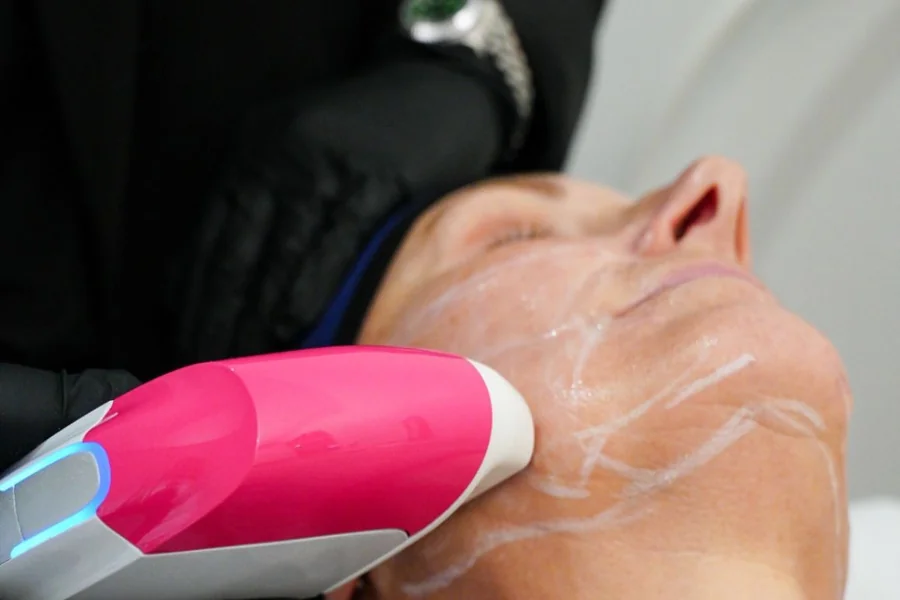
Many people today are looking for ways to lift and tighten their skin without surgery, and that’s where HIFU Ultraformer III comes in. This advanced non-invasive treatment uses focused ultrasound energy to rejuvenate the skin from within, offering natural lifting and contouring effects.
As more patients explore options beyond the traditional facelift, HIFU Ultraformer III has become one of the most sought-after procedures for those wanting visible yet subtle results with minimal downtime. But how does it really compare to a surgical facelift? Let’s explore which treatment might be the better choice for your skin goals, or read more about HIFU Ultraformer III here https://harmonyaesthetics.sg/hifu-ultraformer-iii-singapore/.
What Is HIFU Ultraformer III?
HIFU Ultraformer III is a cutting-edge, non-surgical skin tightening treatment that uses High-Intensity Focused Ultrasound (HIFU) to stimulate collagen production deep within the skin. Unlike treatments that only work on the surface, HIFU energy targets the SMAS layer, the same layer tightened during a surgical facelift, to achieve lifting and firming from within.
During the procedure, ultrasound energy is precisely delivered at varying depths to trigger the body’s natural healing process, resulting in gradual tightening over the next few months. Patients often notice improved jawline definition, lifted cheeks, and firmer skin texture, all without incisions, anaesthesia, or downtime. This makes HIFU Ultraformer III a popular choice for those seeking natural, progressive rejuvenation that fits seamlessly into a busy lifestyle.
What Is a Traditional Facelift?
A traditional facelift (rhytidectomy) is a surgical procedure designed to lift and tighten the skin and underlying facial tissues to address moderate to severe sagging. During the operation, incisions are typically made around the hairline and behind the ears, allowing the surgeon to reposition deeper layers of muscle and fat before trimming away excess skin. The result is a more dramatic and long-lasting rejuvenation of the face and neck.
While a facelift can deliver significant improvement in skin laxity and deep wrinkles, it also comes with longer recovery time, potential scarring, and the risks associated with anaesthesia and surgery. Patients often need two to three weeks before returning to social activities. Because of this, more individuals today are exploring non-surgical alternatives like HIFU Ultraformer III, which can offer noticeable lifting and firming with minimal downtime.
Key Differences Between HIFU Ultraformer III and a Traditional Facelift
Both HIFU Ultraformer III and a traditional facelift aim to rejuvenate and lift sagging skin, but they differ significantly in approach, recovery, and results. The table below summarises the main distinctions to help you decide which option may suit your needs best.
| Aspect | HIFU Ultraformer III | Traditional Facelift |
| Type & Invasiveness | Non-surgical, no incisions or anaesthesia | Surgical procedure with incisions and tissue lifting |
| Downtime & Recovery | Minimal; resume activities immediately | 2–3 weeks of recovery and downtime |
| Results & Longevity | Gradual, natural lift lasting 12–18 months | Instant, dramatic results lasting several years |
| Ideal Candidates | Mild to moderate sagging (30s–50s) | Moderate to severe sagging (50s and above) |
In short, HIFU Ultraformer III is best for those seeking subtle, natural rejuvenation without surgery, while a facelift is suited for more advanced signs of ageing.
Who Is the Best Candidate for Each Treatment
Choosing between HIFU Ultraformer III and a traditional facelift depends on your skin condition, age, and aesthetic goals. Here’s a quick guide:
- HIFU Ultraformer III is best for you if:
- You have mild to moderate skin laxity (early jowls, mild drooping, or fine lines).
- You’re in your 30s to 50s and prefer a non-surgical, no-downtime option.
- You want a natural, gradual lift that stimulates collagen production over time.
- You’re looking to delay or maintain results before considering surgery.
- Traditional facelift is best for you if:
- You have advanced sagging or deeper wrinkles, typically seen in your 50s or beyond.
- You prefer more dramatic, long-lasting results.
- You’re comfortable with surgery, anaesthesia, and a few weeks of recovery.
- You’re seeking a one-time, comprehensive rejuvenation of the lower face and neck.
Both treatments can effectively lift and tighten the skin, the key is matching the right procedure to your ageing stage, comfort level, and expectations.
Results and Recovery: What to Expect
With HIFU Ultraformer III, most patients experience mild warmth during treatment and can return to normal activities immediately. Skin feels tighter right away, with continued improvement over 2–3 months as collagen rebuilds. In contrast, a traditional facelift requires surgical recovery, including swelling, bruising, and about 2–3 weeks of downtime.
Results are more dramatic and long-lasting but come with greater commitment. Both approaches deliver rejuvenation, but HIFU offers a gentler, low-maintenance path to firmer, lifted skin.
Summary
Both HIFU Ultraformer III and a traditional facelift can rejuvenate your look, the key is choosing the right fit for your goals and lifestyle. If you prefer a non-surgical, minimal-downtime option, HIFU Ultraformer III offers natural lifting and firming through collagen stimulation. For personalised advice, visit Harmony Aesthetics Clinic at: