
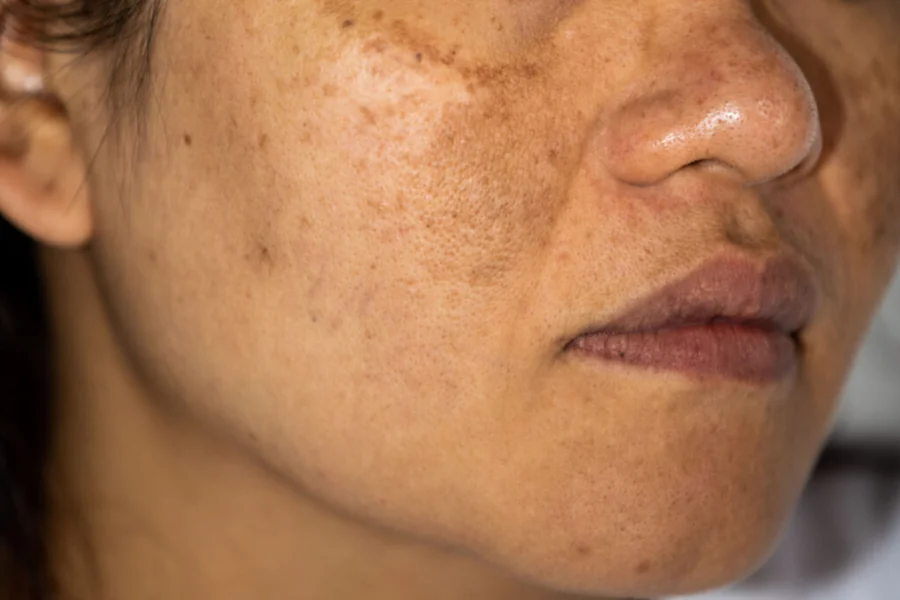
If you’ve struggled with melasma, you probably know how stubborn it can be. The brown or grayish patches that appear on your cheeks, forehead, or upper lip often fade with treatment—only to return weeks or months later. Many patients describe the frustration of seeing improvements after creams, peels, or lasers, only to notice the pigmentation slowly creeping back.
Understanding why melasma reappears is the first step to long-term management. You may try different treatments to find the best long-term control. You can treat melasma through approaches that focus on both prevention and proper maintenance.
What Is Melasma and Why Does It Happen?
Melasma is a common form of hyperpigmentation that appears as symmetrical dark patches on sun-exposed areas of the face—most commonly the cheeks, nose bridge, forehead, and upper lip. It’s caused by an overproduction of melanin, the pigment that gives your skin its color.
Genetics, hormonal fluctuations, ultraviolet light, and inflammation are all believed to contribute to melasma; however, the precise etiology is not always clear. These triggers make melanocytes, the cells that generate color, work harder. This makes some areas look darker.
Unlike other types of pigmentation (like freckles or post-acne marks), melasma is chronic and often linked to internal factors, making it harder to treat and more likely to relapse.
Why Melasma Keeps Coming Back
You might think that once your pigmentation fades, it’s gone for good. Unfortunately, melasma behaves differently. Even when the surface pigment fades, the cells responsible for producing melanin remain hyperactive beneath the skin.
Here are the main reasons melasma relapses after treatment:
-
Persistent Triggers
Sunlight is the number one cause of relapse. Even brief exposure to UV rays—while walking outside or sitting near a window—can reactivate melanocytes. Blue light from phones and computers may also contribute.
-
Hormonal Fluctuations
Melasma often appears or worsens during pregnancy, while taking oral contraceptives, or during hormonal therapy. Even after stopping these triggers, your skin may remain sensitive to hormonal changes.
-
Inflammation and Heat
Skin inflammation from acne, irritation, or heat (including steam and laser energy) can stimulate pigment cells. This is why some aggressive treatments cause temporary worsening before improvement.
-
Incomplete or Improper Maintenance
Many people stop using sunscreen or brightening agents once their skin clears. Without continued protection, melasma tends to rebound—sometimes darker than before.
-
Deep Pigment Deposits
In some cases, pigment has settled deep within the dermal layer. Topical creams can’t reach these areas effectively, making recurrence likely unless deeper treatments are introduced cautiously.
Why Melasma Is Not Just a Surface Problem
It’s important to understand that melasma isn’t just “stains” on your skin—it’s a cellular condition influenced by internal and external factors. Even if the top layer looks clear, your skin can remain “primed” to darken again.
Melanocytes in melasma-prone skin are more sensitive and reactive. This means they can easily overproduce pigment whenever they’re triggered by UV exposure, friction, or hormonal fluctuations. This sensitivity explains why relapse happens even when you’re careful.
That’s why dermatologists emphasize a long-term approach, rather than one-time fixes. The goal isn’t just to lighten the patches—it’s to calm down the melanocytes and prevent reactivation.
The Challenge With Laser Treatments
Many times, people advertise laser and light-based treatments for pigmentation, but you should be very careful when it comes to melasma. Some laser wavelengths create heat that might irritate the skin and worsen pigmentation instead of improving it. A lot of people relapse because of this “rebound effect.”
The problem isn’t that lasers don’t work; instead, it’s that the correct type, intensity, and frequency must be selected. Overly severe treatments might harm your skin’s protective barrier or inflame melanocytes, both of which can bring on new melasma outbreaks. Safer, longer-lasting results are typically achieved with gentle, controlled procedures in conjunction with pigment-suppressing medications.
If you’ve undergone laser sessions and noticed your pigmentation darkening afterward, this might not mean failure—it could be inflammation-induced rebound. That’s why many clinics now use combination therapies that treat inflammation, not just pigment.
Preventing Melasma Relapse: What You Can Do
To keep melasma from coming back, you need to work hard and change your lifestyle. Here are some essential ways to keep it under control:
-
Daily Sun Protection
Every morning, even if you’re inside, put on broad-spectrum sunscreen (SPF 30 or greater). If you’re in the sun, put it back on every 2 to 3 hours. Sunglasses and hats with wide brims give you even more protection.
-
Gentle Skin Care Routine
Avoid harsh scrubs, peels, or over-exfoliation. Irritated skin can trigger pigment production. Choose mild cleansers and calming serums instead.
-
Maintenance Creams
Dermatologists often prescribe pigment suppressors like niacinamide, tranexamic acid, or azelaic acid for long-term use. These help keep melanin production stable.
-
Stress and Sleep Management
Stress hormones like cortisol can indirectly worsen melasma. Regular sleep and stress-reducing habits like exercise or meditation support skin balance.
-
Regular Follow-ups
Even if your skin seems clear, going to the doctor every few months can help you spot early signs of a relapse and change your treatment plan as needed.
Melasma Treatment Options That Support Long-Term Results
There’s no “one-size-fits-all” solution for melasma. Treatment often involves layering several gentle methods rather than relying on a single strong one.
Some of the most effective and sustainable approaches include:
- Topical Therapies – Lightening creams containing ingredients like hydroquinone, arbutin, kojic acid, or retinoids help reduce surface pigmentation.
- Oral Supplements – Antioxidants or tranexamic acid (in specific prescribed doses) may help regulate internal pigment production.
- Low-Energy Laser or Light Treatments – When used carefully, low-energy treatments can break down pigment safely without causing inflammation.
- Chemical Peels – Mild peels with glycolic or lactic acid remove dull surface layers and improve absorption of brightening ingredients.
- Maintenance Skincare – Continuous use of pigment-control serums and sunscreen is critical to prevent relapse.
The most essential thing is to remain patient and keep going. Melasma usually gets better over the course of months, not days. To get benefits that last a long time, you need to set realistic goals and keep to a maintenance plan.
Common Questions About Melasma Relapse
- Why does my melasma look darker after treatment?
Sometimes treatments like peels or lasers cause temporary inflammation, making pigmentation appear darker before it improves. This is usually temporary and subsides as the skin heals. - Can melasma be permanently removed?
Melasma can be significantly improved and kept under control, but “permanent removal” is rare. Long-term management focuses on suppression, not elimination. - How long do I need to maintain treatment?
Maintenance is lifelong. Even when melasma fades, continued sun protection and topical brighteners are necessary to prevent recurrence. - Are lasers safe for melasma?
Some are—but not all. Specific laser settings can worsen pigmentation if used too aggressively. Always consult a qualified professional who understands melasma-specific protocols. - Can lifestyle factors like diet affect melasma?
While there’s no direct link, maintaining a diet rich in antioxidants and avoiding triggers like hormonal medications (when possible) may help stabilize your skin condition.
What to Remember
A return of melasma doesn’t mean your treatment didn’t work; it’s just how the condition works. Instead of seeing it as a short-term problem, think of it as a long-term skin inclination. You can keep your skin clear and stable for a long time by taking care of it regularly, protecting it, and avoiding overdoing it.
If your pigmentation keeps returning despite your best efforts, consider reviewing your approach with a trusted professional. Sometimes, the solution lies not in stronger treatments, but in smarter, more sustainable ones explicitly designed for melasma-prone skin.