
Back and neck pain from herniated or degenerated discs can significantly affect daily life. Nucleoplasty is a minimally invasive procedure designed to relieve this type of disc-related pain without the need for major surgery. Understandably, many patients considering this treatment ask, “Does nucleoplasty hurt?”
In this article, we’ll take you through a step-by-step overview of the nucleoplasty procedure to help ease anxiety, explain what to expect during the treatment, and guide you toward informed decisions about your care. Learn more about the procedure and its benefits here https://www.totalpainspecialist.com/service/disc-decompression-nucleoplasty/.
What is Nucleoplasty?
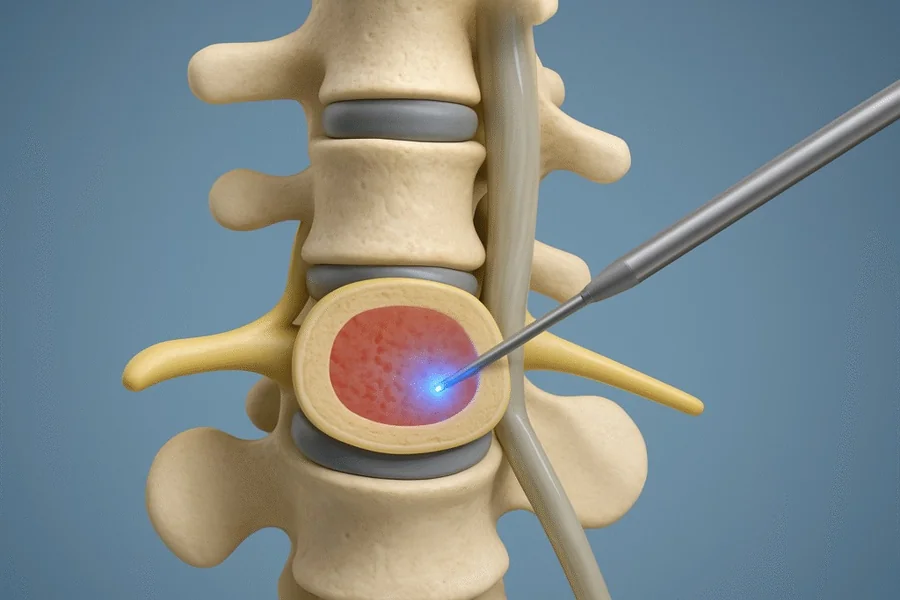
Nucleoplasty is a minimally invasive procedure used to treat disc-related back and neck pain. It works by reducing pressure inside a damaged or herniated disc, which can relieve pain caused by nerve compression. Unlike open spine surgery, nucleoplasty uses a small needle and specialized radiofrequency energy to target the disc directly.
The procedure is typically performed under local anesthesia with mild sedation. A thin needle is inserted into the affected disc under imaging guidance, allowing the physician to remove or shrink part of the disc material safely. This reduces internal disc pressure and helps alleviate pain, while preserving the overall structure of the spine.
Nucleoplasty is most commonly used for patients with disc herniations or degenerative disc disease who have not responded to conservative treatments such as physical therapy, medications, or injections. It is not suitable for large or ruptured disc herniations, infections, or severe spinal instability. The procedure is generally quick, usually taking less than an hour, and is associated with lower risks and faster recovery compared with traditional spine surgery.
Who Is a Candidate for Nucleoplasty?
Nucleoplasty is suitable for patients with disc-related back or neck pain that has not improved with conservative treatments. Ideal candidates typically:
- Have contained disc herniations or degenerative disc disease
- Experience persistent pain affecting daily activities
- Are seeking a minimally invasive alternative to surgery
- Do not have severe spinal instability, infections, or large ruptured discs
Preparing for Nucleoplasty
Before undergoing nucleoplasty, patients need a thorough medical evaluation to ensure the procedure is safe and suitable. Preparation typically includes:
- Reviewing your medical history and current medications
- Conducting imaging studies such as MRI or CT scans to locate the affected disc
- Receiving instructions on fasting or medication adjustments before the procedure
- Discussing any allergies, previous spine treatments, or medical conditions with your specialist
Most patients require only minimal preparation. Clear guidance from your pain specialist helps reduce anxiety and ensures the procedure proceeds smoothly, with risks and discomfort kept to a minimum.
The Procedure: Step-by-Step
For patients considering nucleoplasty, understanding what happens during the procedure can help reduce anxiety and set realistic expectations. This minimally invasive treatment targets the affected disc directly, relieving pressure and pain without the need for major surgery. Here’s a step-by-step overview of what to expect:
1. Local Anesthesia and Sedation
The procedure begins with local anesthesia to numb the area around the affected disc. Mild sedation may be given to help patients relax, ensuring comfort throughout the procedure.
2. Needle Insertion
Using imaging guidance such as fluoroscopy, the physician inserts a thin needle into the center of the affected disc. Accurate placement is critical to target the disc safely without affecting surrounding nerves.
3. Disc Decompression
A specialized device delivers radiofrequency energy through the needle. This energy removes or shrinks a small portion of the disc tissue, reducing internal pressure and relieving nerve compression.
4. Monitoring and Completion
The physician continuously monitors the patient’s condition and imaging to ensure the procedure is precise and safe. Once the decompression is complete, the needle is removed, and a small bandage is applied.
Most patients feel only mild pressure or discomfort during the procedure. Because it is minimally invasive, nucleoplasty avoids the large incisions and long recovery associated with traditional spine surgery.
Pain and Sensation During Nucleoplasty
During nucleoplasty, most patients experience only mild pressure, warmth, or a slight aching sensation at the treatment site. Local anesthesia and optional mild sedation help minimize discomfort, making the procedure far less painful than traditional spine surgery.
Some may feel brief tingling or muscle twitching as the radiofrequency energy is applied, but these sensations are typically short-lived. Overall, nucleoplasty is designed to be minimally invasive and tolerable, allowing patients to remain comfortable while effectively relieving disc-related pain
Recovery and Post-Procedure Care
After nucleoplasty, patients usually rest briefly at the clinic before going home the same day. Mild soreness at the treatment site is common. Most can gradually resume normal activities within a few days, while avoiding heavy lifting or strenuous exercise. Follow-up with your pain specialist ensures safe recovery.
Conclusion
Nucleoplasty is a minimally invasive, generally well-tolerated procedure that can relieve disc-related back and neck pain. If you are struggling with persistent pain and want to know if nucleoplasty is suitable for you, contact our pain clinic in Singapore to schedule a consultation. Appointment info:


