If you are currently dealing with acne and have reached a point where you just want to treat acne, you may agree with us that living with acne often feels painful. Literally and emotionally.
Many people describe cystic acne as bruises under the skin, like tiny pins being driven in, and a face that’s tender even to rest on a pillow. Beyond the physical discomfort, acne can feel oppressive.
It can sap your confidence, make you isolated socially, and leave you feeling trapped in your own skin. Incidentally, acne itself is not dangerous. And, it doesn’t even spread or signal illness.
However, if left untreated, it may cause lasting scars, pigmentation or emotional distress including depression or anxiety. So, can you use toothpaste? That is the question we will be addressing on this page but first;
When should I Get Acne Treatment?
For acne, you should try self-care for about six to eight weeks and if your spots don’t clear by then, it makes sense to see a professional. You’ll know you need help sooner if your blemishes feel sore, swell into deep lumps or bleed when you touch them.
Those types often resist creams you buy in the chemist and can leave scars if you wait too long. As earlier mentioned, acne can also affect the way you feel.
If you start to avoid friends, cover up in photos or wake up worried about your skin, that is a clear sign to get help. You deserve care that eases both the breakouts and the stress they bring.
Sometimes acne pops up in strange places like under your arms or on your back. Or after you start a new medicine. That shows you don’t have run-of-the-mill spots but something that needs closer look.
When thinking of acne treatment in Singapore, you may want to begin with your GP. They can check for triggers like hormones, suggest creams or tablets, and offer tips to protect your skin as it heals.
If your acne proves stubborn, flares badly or leaves marks, your GP will refer you to a dermatologist. A dermatologist knows skin inside out so you can trust them to help tame your acne.
They can prescribe stronger treatments like retinoid gels, antibiotics or, in certain cases, a course of isotretinoin. They also offer in-clinic care which may include injections to shrink cysts fast, light-based treatments to calm inflammation and advice on reducing scars as your skin recovers.
Does Toothpaste Help Acne?
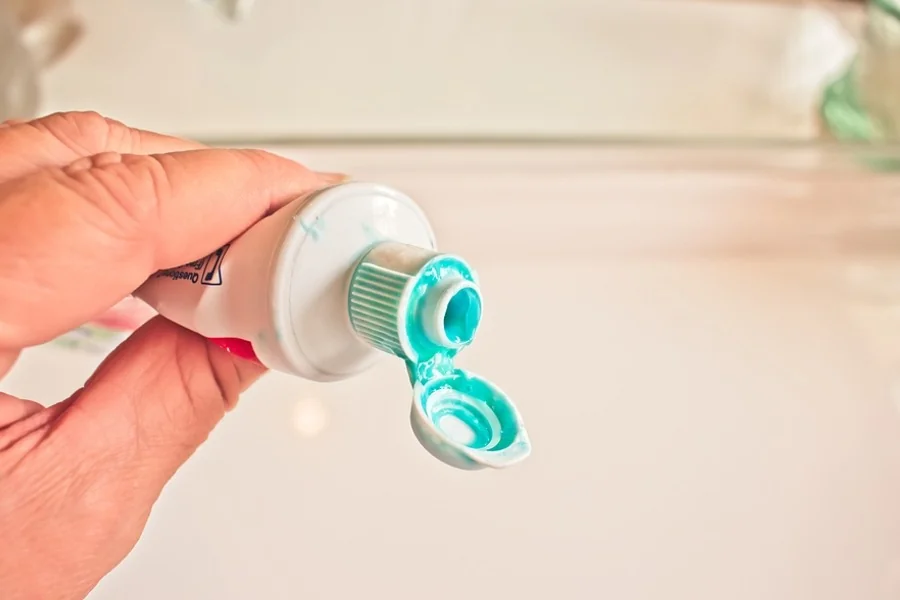
If you’re like many other people, you probably have at least once thought about using toothpaste as an acne treatment because you imagine that its drying agents like baking soda, alcohol or hydrogen peroxide might shrink a zit overnight. That idea seems handy, right?
But hear us out, it does come with risks. To begin with, toothpaste can damage your skin barrier, alter pH and cause irritation, redness or peeling, and sometimes even chemical burns. That said, the simplest answer is no; toothpaste doesn’t help or recommended for acne.
Even dentists, dermatologists and skin scientists universally advise against using toothpaste for acne because toothpaste lacks proven acne-fighting ingredients and may worsen inflammation. If you wish to treat acne at home, here are some treatments that may help;
- Tea Tree Oil: Dilute 1 drop of tea tree oil in about 9 drops of carrier oil. It offers antibacterial and anti-inflammatory effects that can reduce acne lesions. Studies show a 5% solution can perform as well as benzoyl peroxide with fewer side effects.
- Aloe Vera Gel: Apply pure aloe vera gel to clean skin. It soothes redness, reduces inflammation and helps healing. Its natural salicylic acid and sulfur components may support clearing blemishes and calming irritation over a few days.
- Green Tea (Topical): Brew green tea, let it cool, and use it as a toner. Catechins, especially EGCG, offer antioxidant and anti-inflammatory benefits. Topical application has shown reduction in oil and fewer blemishes after several weeks.
- Honey & Cinnamon Mask: Mix three tablespoons of honey (preferably manuka) with one tablespoon of cinnamon into a paste. Apply for about 15 minutes before rinsing. This combination can bring out antimicrobial and anti-inflammatory effects that help calm and shrink blemishes.
- Apple Cider Vinegar Toner: Dilute one part apple cider vinegar in three parts water. Dab onto blemished areas briefly (under 1 minute), then rinse. Its organic acids offer mild exfoliation and antibacterial action. However, overuse can irritate sensitive skin.
- Jojoba Oil: Apply diluted jojoba oil or use masks containing it. Jojoba oil can help because it mimics skin’s own sebum and can balance oil production to reduce inflammation. It can provide massive acne improvement in about six weeks.
- Oral or Topical Zinc: Use topical creams with ~5% zinc or take oral supplements under medical advice. Zinc’s anti-inflammatory and oil-regulating properties may reduce redness and number of lesions in mild to moderate acne.
Before trying any new treatment, patch test first to check for irritation. If your acne persists or worsens, consider consulting a dermatologist.
How does a Dermatologist Get Rid of Acne?
See a dermatologist when you’ve tried over-the-counter creams for your acne without success. A skilled dermatologist can help you clear acne with a plan made just for you.
To begin with, they will examine your skin, spot the kind of blemishes you have and identify any triggers. From there, they map out treatment steps that suit your skin’s needs and lifestyle.
As a first treatment, they may prescribe topical medicines like retinoid gels to speed up cell turnover and keep pores clear, Benzoyl peroxide to cut oil and kill bacteria, or antibiotic lotions to curb inflammation.
A good acne treatment doctor will help you pick the right strength and guide you on how to use each product without over-drying your skin. If your acne covers large areas or won’t budge, you may be prescribed oral treatments join the routine.
Pills like doxycycline fight bacteria systemically, while hormone therapies (low-dose birth control or spironolactone) help women regulate sebum. These approaches work from the inside and often clear stubborn breakouts over several months.
For severe cases, you may be prescribed isotretinoin as a powerful, long-term solution. It works by shrinking oil glands to stop most new acne from forming.
A good dermatologist will track your treatment progress with regular check-ups and blood tests to ensure everything goes according to plan. Beyond the treatments, a knowledgeable dermatologist will also advise you on daily care like using a mild cleanser, oil-free moisturiser and a broad-spectrum sunscreen.
Wrapping Up
Toothpaste doesn’t help with acne so, try to resist every urge to use it on active breakouts. Instead, seek the counsel of a knowledgeable dermatologist for tailored care just for you.
If you’re in Singapore, book a consultation at our acne clinic today for thorough skin assessment and treatment tailoring. Our experts will tailor treatment just for you to ensure gentle, effective results. Call or visit us at;