
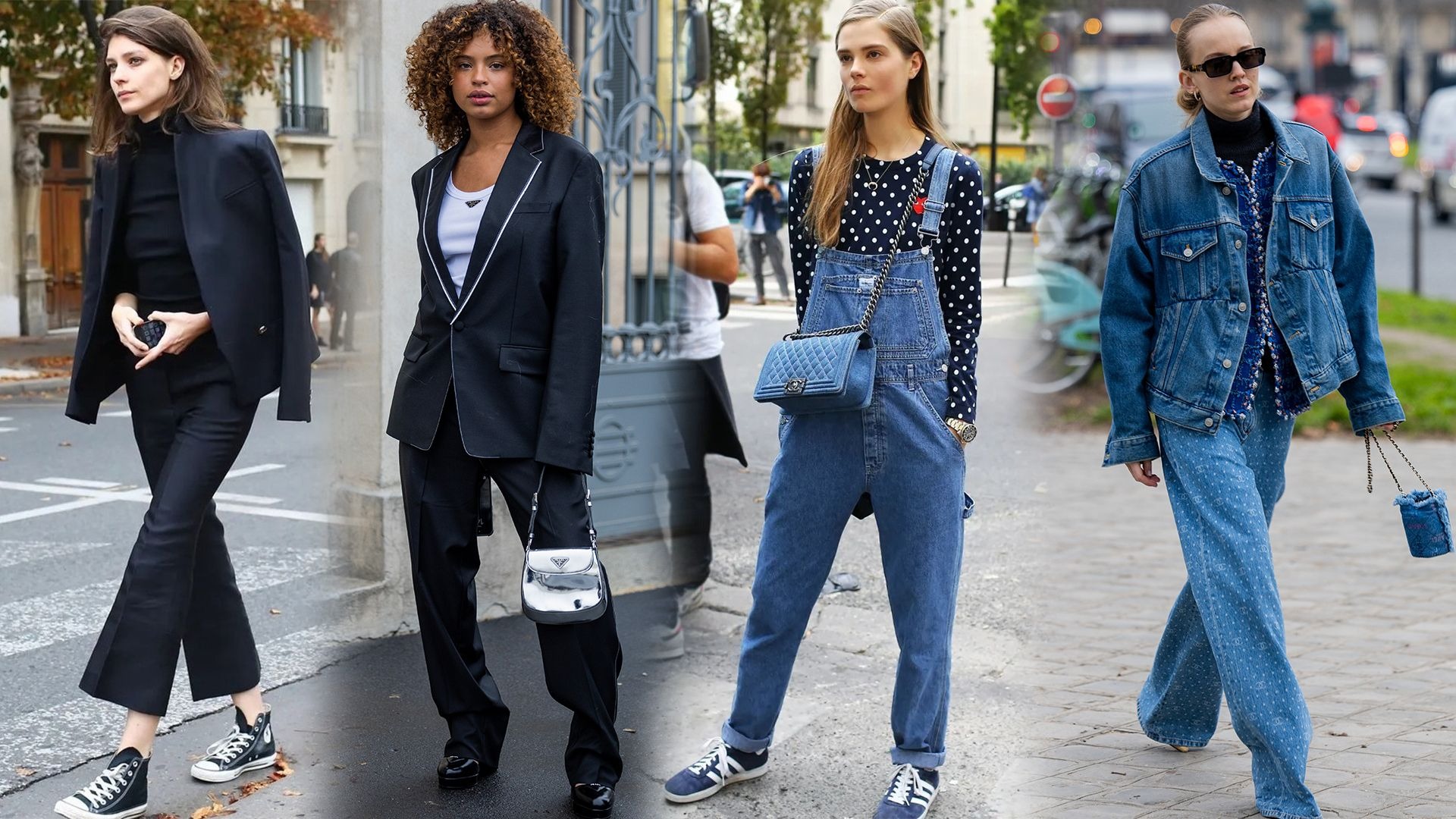
Fashion can be seen as a directly evolving phenomenon depending not only on cultural changes but also on changes that society experiences as well as technological changes. With the haute couture on the fashion runways of Paris and Milan and on the streets of New York and Tokyo, the modern fashion influence is no longer limited to the territory of luxury fashion designers. Now, fashion is more about democratisation and inclusion through which styles arise out of all quarters of life. What was once only glimpsed at on the runways of international elite fashion designers is now available to the masses, thanks to the influence of street style, social media and celebritized culture.
This paper will explore the development of contemporary fashion styles, as it follows the path taken to move out of old-fashioned haute couture to the contemporary, inclusive and demystified fashion world that holds the major part of its presence nowadays.
The Role of Haute Couture and High Fashion in Shaping Trends
Haute couture, the term used to describe the most exclusive clothes designed by the elite designers around the world, has always been the source of inspiration to the mainstream fashion. These high-end designs were luxurious and mostly hand stitched and made using the best materials and demonstrate the talent and craftsmanship of the finest designers. The unveiling of the most current in cutting-edge fashion in shows in cities such as Paris, Milan and New York would trickle down to ready-to-wear and eventually to shopfronts.
Traditionally, the fashion cycle used to be an exclusive prerogative as what was at the runway only belonged to those who had the ability to buy designs of high end nature. Christian Dior, Coco Chanel and Karl Lagerfeld were pioneers, their designs captured the cultural trends of the times and changes happening in the society. The trends at haute couture would tend to follow the season substitutions, which were actively promoted in the spheres in the given moment.
Whereas runway shows would become the hub of the fashion industry, it was all much more top-down. To most individuals, the best they could do was to go through magazines or see these high-fashion items worn by celebrities. But new movements like the street style have shown to put into question the idea that there was only one primary source of fashion.
The Rise of Street Style: Influencing the Masses
Street style, once considered an afterthought by many designers, has grown into one of the most influential sources of fashion inspiration. As opposed to the tailored, controlled aesthetics of haute couture, street style emerged as a way for everyday people to express their individuality. The rise of street style can be traced back to several movements, including punk, hip-hop, and skate culture, which emphasized self-expression through clothing.
Street style is often associated with youth culture and has its roots in cities like New York, London, and Tokyo, where young people pushed the boundaries of traditional fashion. These urban centers became hubs for creative freedom, with individuals using clothing as a form of protest, individuality, or simply as a form of self-expression. In the 1980s and 1990s, grunge style—a mix of oversized flannel shirts, ripped jeans, and combat boots—became emblematic of street fashion. Meanwhile, hip-hop culture introduced baggy jeans, oversized jackets, and baseball caps, blending comfort with an urban edge.
As social media began to rise in the early 2000s, street style gained even more exposure. Bloggers, influencers, and photographers began capturing everyday people’s outfits, showcasing how fashion wasn’t just for the elite. Platforms like Instagram, Tumblr, and Pinterest helped democratize style by giving visibility to everyday people’s creativity. Street style icons like Chiara Ferragni, Leandra Medine, and Kendall Jenner became household names, showcasing the idea that great fashion could be found anywhere—not just on the runway.
The Influence of Social Media and Fashion Influencers
The role of social media cannot be understated in the evolution of modern fashion trends. As Instagram, TikTok, and YouTube rose in popularity, fashion shifted from being dictated solely by designers to being influenced by digital influencers, celebrities, and content creators. These influencers have become the new tastemakers, setting trends that would once have taken months or even years to become mainstream.
Instagram in particular has allowed brands and individuals to showcase fashion in real-time, offering followers a window into the latest trends, styling tips, and personal style. Influencers with large followings can launch a new trend with a single post, promoting brands and outfits directly to their audience. As a result, what was once confined to exclusive, high-end fashion shows now finds itself on the streets, in the office, and even at casual events.
The presence of #OOTD (Outfit of the Day) posts, hauls, and unboxing videos has solidified the relationship between social media and fashion. Today’s consumers are no longer passive recipients of fashion; they are active participants in creating and promoting trends. Platforms like TikTok have further amplified this, with viral challenges and fashion “hack” videos influencing everything from streetwear to luxury fashion.
A notable example of how influencers are reshaping the fashion scene is Bottega Veneta’s surge in popularity. After fashion influencers started posting their unique takes on the brand’s designs, Bottega Veneta experienced a massive increase in sales, largely thanks to social media-driven campaigns. Celebrities and influencers don’t just wear the designs—they help shape how consumers interact with them.
The Blurring of Boundaries Between High Fashion and Street Style
One of the most significant shifts in modern fashion is the blurring of boundaries between haute couture and street style. Designers have increasingly drawn inspiration from street fashion, incorporating elements of casual wear, athletic gear, and even workwear into their collections. This phenomenon is evident in the rise of luxury streetwear brands like Off-White, Supreme, and Balenciaga, which have effectively merged high fashion with streetwear sensibilities.
Streetwear’s influence has even infiltrated the runway. Designers such as Virgil Abloh of Off-White and Kanye West with his Yeezy brand have brought street fashion onto the runway, blending athleisure, logo-centric clothing, and oversized silhouettes with high-end fashion craftsmanship. These collections, often characterized by graphic tees, sneakers, and hoodies, have helped create a more casual, accessible approach to luxury fashion.
Meanwhile, the growing popularity of athleisure, with brands like Lululemon and Adidas creating stylish yet functional clothing, further signifies the marriage of comfort and high-end fashion. As consumers continue to prioritize comfort and functionality, designers are following suit, integrating sportswear into their luxury collections. This trend also aligns with the rise of sustainable fashion, as eco-conscious consumers favor practical and long-lasting clothing items over short-lived trends.
Fast Fashion and the Impact on Modern Fashion Trends
While the rise of street style and influencer culture has made fashion more democratic, it has also led to the growth of fast fashion. Brands like Zara, H&M, and Shein have made it easier for consumers to keep up with the latest trends at a lower price point. These brands are known for quick turnarounds, allowing new designs to hit stores within weeks of appearing on the runway.
While fast fashion makes trendy clothing more accessible, it has also been criticized for its environmental impact, unethical labor practices, and short-lived nature. Many of these brands rely on cheap labor and unsustainable materials, contributing to waste and pollution in the process. The rise of sustainable fashion is an attempt to counterbalance the environmental and ethical issues associated with fast fashion, encouraging consumers to choose quality over quantity and to invest in timeless pieces.
The Future of Fashion: Inclusivity and Sustainability
As fashion continues to evolve, the focus is shifting towards inclusivity and sustainability. The push for more size diversity, the celebration of all skin tones, and the acceptance of different body types are increasingly prominent. Designers and brands are listening to the demand for diversity, with many expanding their product ranges to cater to a wider audience.
In addition, sustainable fashion is becoming a dominant force, with eco-conscious production methods, the use of organic fabrics, and recycling initiatives growing in popularity. The intersection of sustainability and street style is leading to more creative, eco-friendly collections that reflect both modern trends and environmental awareness, as showcased by trend2wear.
Conclusion: The Democratization of Fashion
The process of transformation of fashion on the runways to the streets is a monumental change in the creation, spread and absorption of fashion trends. Having started as a highly exclusive, elite industry, fashion has turned out to a more democratic field, where basic people of all walks of life can contribute to the debate on fashion on a global platform. Due to the increased popularity of social media, fashion has become a collaborative effort; involving the input of both the influencer and everyday consumers as well as industry professionals.
Increasingly, the dividing line between haute couture and street-style blurs, and the values of inclusivity and environmental friendliness are gaining traction, the future of fashion seems quite diverse and democratic. Be it the current hype in any cat walk, a viral post on any social media platform or a comment in the street, fashion has evolved as a transient mirror of culture, conviction and aspirations.