
The entertainment sector is highly dynamic Hence, it will continue to undergo transformation due to new technologies, changing cultural orientation, and the consumer process. Looking at an entertainment industry in the year 2025, it can be predicted that a few major trends will take the field and will change the way people watch and interact with the industry. Streaming services and immersive experiences, AI-based content creation, and sustainability are here to stay to define what entertainment will be in the future. This article discusses the most popular entertainment trends that will dominate industry in 2025.
1. The Rise of Immersive Experiences: Virtual Reality (VR) and Augmented Reality (AR)
The rapid growth of immersive technologies like Virtual Reality (VR) and Augmented Reality (AR) is one of the most exciting trends in entertainment for 2025. These technologies offer a level of engagement and interactivity that traditional forms of entertainment simply cannot match.
The Growth of VR in Entertainment
Virtual Reality (VR) has already begun to transform the way we experience video games, movies, and live events. However, in 2025, VR is expected to reach new heights, with more accessible hardware, improved graphics, and more immersive content. VR will continue to push the boundaries of interactive entertainment, providing users with fully immersive experiences where they can step into different worlds, engage with characters, and explore virtual environments in ways never before possible.
For example, VR-based concerts, sporting events, and film screenings will allow users to feel as though they are physically present in the action, even if they are miles away. This could create entirely new types of entertainment experiences that combine the best of digital media with the feeling of physical presence.
AR Enhancing Everyday Experiences
Augmented Reality (AR), on the other hand, is expected to be integrated into daily life more seamlessly in 2025. AR overlays digital content onto the real world, allowing for interactive experiences in entertainment, education, shopping, and gaming. Companies like Apple, Google, and Microsoft are already working on AR devices that could revolutionize everything from home entertainment to social media.
In entertainment, AR will continue to blur the lines between reality and fiction. Interactive movies, live performances, and even theme park experiences will leverage AR to enhance user engagement. For instance, moviegoers could interact with characters through AR apps on their smartphones, making the cinema experience more dynamic.
2. The Dominance of Streaming Platforms and Subscription Services
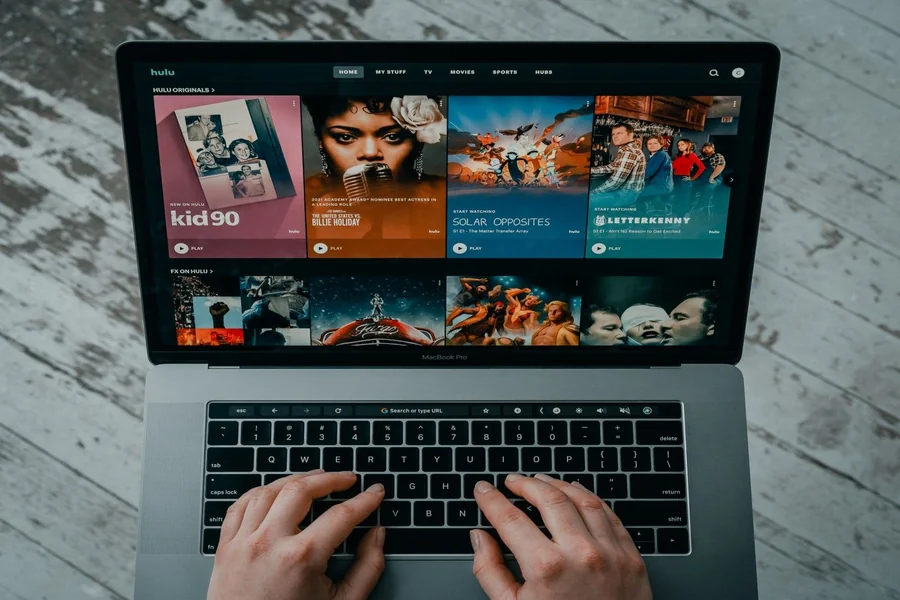
Over the past decade, streaming services have revolutionized how we consume entertainment. Platforms like Netflix, Disney+, Amazon Prime Video, and HBO Max have fundamentally changed the television and film industries by providing on-demand access to content without the need for traditional cable subscriptions.
Increased Competition and Content Innovation
In 2025, the streaming market is expected to become even more competitive, with new players entering the space and established platforms expanding their offerings. As the market grows, so does the demand for exclusive, original content. In response, streaming services will invest heavily in producing high-quality original films, television shows, documentaries, and specials to attract subscribers and differentiate themselves from competitors.
For example, platforms will continue to explore interactive storytelling and live-streaming events. Think choose-your-own-adventure movies, like Netflix’s “Bandersnatch,” but expanded into entire genres. Streaming platforms will also delve deeper into live broadcasts, including sports, concerts, and live theater productions, to engage audiences in real-time.
The Power of Niche Streaming Services
Another aspect of the streaming trend in 2025 is the rise of niche streaming services catering to specific interests, such as independent films, anime, or classic television. These niche platforms will attract dedicated communities of fans who seek specialized content not found on the mainstream platforms.
3. Artificial Intelligence and Personalization in Entertainment
Artificial Intelligence (AI) is transforming the entertainment industry in ways that were once unimaginable. By 2025, AI will play an even more prominent role in shaping content creation, distribution, and personalization.
AI in Content Creation
AI technologies are already being used to assist in scriptwriting, music composition, and even film editing. In 2025, we can expect AI to be further integrated into the content creation process. For example, AI can be used to analyze trends and audience preferences, helping creators produce content that is highly targeted and likely to resonate with viewers.
One example of AI in entertainment is deepfake technology, which allows for the creation of hyper-realistic digital representations of people. This technology could revolutionize film production, allowing directors to digitally resurrect famous actors for a role or create characters that blend seamlessly into existing footage.
AI-Powered Personalization
On the consumer side, AI will become even more proficient at personalizing content recommendations. Streaming platforms will use advanced machine learning algorithms to predict what content users are likely to enjoy based on their viewing habits, preferences, and social media activity. This level of personalization will provide an incredibly tailored entertainment experience, helping users discover content they might not have found otherwise.
4. Social Media and Influencer Culture
Social media continues to play an influential role in the entertainment industry, and by 2025, its impact will only grow stronger. Platforms like TikTok, Instagram, and YouTube are already central to how content is consumed, created, and shared.
Influencer-Led Content Creation
Influencers and content creators will become even more integral to the entertainment ecosystem in 2025. With their massive online followings, influencers are no longer just promoting products—they are creating their own entertainment content, such as web series, music, films, and events. This shift towards influencer-driven content will continue to disrupt traditional media production and distribution, offering new opportunities for fans to engage directly with their favorite creators.
Social media will also serve as a platform for crowdsourced content, where users can contribute to the creation of movies, television shows, and online content. Crowdfunding and fan engagement will allow for a more democratic approach to content production, where audiences have a say in what gets made.
Live Streaming and Real-Time Interaction
Live streaming will continue to grow in 2025, with platforms like Twitch, YouTube Live, and Instagram Live offering real-time entertainment experiences. Celebrities, influencers, and even brands will use live streaming to engage with their audiences in real-time, whether it’s for concerts, Q&A sessions, product launches, or gaming tournaments. This shift towards interactive, live content will keep audiences engaged and provide creators with an authentic connection to their followers.
5. Sustainability and Ethical Entertainment
As the world becomes more conscious of environmental issues and social justice, sustainability and ethical practices are expected to be major themes in the entertainment industry in 2025.
Eco-Friendly Production Practices
Sustainability is already a growing concern in industries like fashion and food, and it is expected to gain momentum in entertainment as well. By 2025, more studios and production companies will adopt eco-friendly practices, such as carbon-neutral film sets, sustainable wardrobe choices, and reducing waste in production.
For example, films and TV shows may use green technologies for energy efficiency, and production companies will be held accountable for their environmental footprint. Sustainability in entertainment also extends to the music industry, where eco-conscious tours and virtual concerts can help reduce the environmental impact of large-scale events.
Social Responsibility and Representation
In addition to environmental sustainability, the entertainment industry will focus more on social responsibility and diversity. Content creators will increasingly address issues related to representation, equality, and social justice in their films, TV shows, and music. Audiences are demanding content that reflects the diversity of the world around them, and the industry will rise to meet those demands.
Conclusion
With advances in technology, changing culture and consumer demands, the entertainment industry will go through major changes in 2025. With immersive experiences and streaming innovations, as well as the incorporation of AI and the impact of social media, the entertainment industry of the future is exciting, inclusive and holds endless opportunity. This is likely to keep happening in the future and by 2025 we can expect this to be one of the most significant years in the industry as far as consumption, creation, and participation in entertainment content is concerned.