Polycystic Ovary Syndrome (PCOS) and endometriosis are two of the most common yet often misunderstood conditions affecting women’s reproductive health. In Singapore, studies show that a significant number of women experience symptoms of PCOS, such as irregular periods, hormonal imbalances, and fertility challenges, while endometriosis affects many women who struggle with pelvic pain and heavy menstrual cycles.
Because these conditions can impact not only fertility but also overall wellbeing, it is crucial to seek professional guidance. Consulting a womens health specialist in Singapore ensures an accurate diagnosis, personalized treatment plan, and expert care tailored to each woman’s unique needs.
What is PCOS?
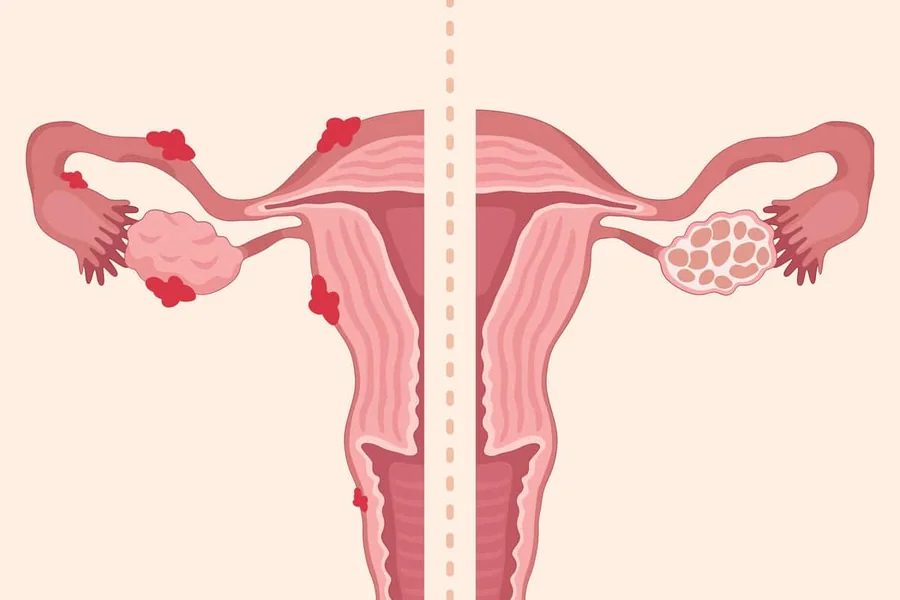
Polycystic Ovary Syndrome (PCOS) is a hormonal disorder that affects many women of reproductive age. It occurs when the ovaries produce an imbalance of hormones, leading to irregular menstrual cycles, the development of small cysts on the ovaries, and symptoms such as acne, excess hair growth, and weight gain. PCOS can also impact fertility, making conception more challenging for women who wish to start a family.
The exact cause of PCOS is not fully understood, but genetics, insulin resistance, and lifestyle factors are believed to play a role. Early diagnosis and management by a womens health specialist are essential, as proper guidance can help regulate hormones, improve fertility, and reduce long-term health risks associated with the condition.
What is Endometriosis?
Endometriosis is a condition where tissue similar to the lining of the uterus grows outside the uterus, often affecting the ovaries, fallopian tubes, and pelvic lining. This abnormal tissue continues to act like uterine lining, thickening, breaking down, and bleeding with each menstrual cycle, which can cause significant pain and inflammation.
Common symptoms include severe menstrual cramps, chronic pelvic pain, pain during intercourse, and heavy or irregular periods. For some women, endometriosis can also lead to fertility challenges. The severity of symptoms varies widely, with some experiencing mild discomfort and others facing debilitating pain. Early recognition and management are important to reduce symptoms, improve quality of life, and preserve fertility where possible.
How a Womens Health Specialist Diagnoses These Conditions
Accurate diagnosis of PCOS and endometriosis requires careful evaluation by a specialist. A womens health specialist typically uses a combination of clinical assessment, imaging, and laboratory tests to confirm the condition and rule out other causes. Common diagnostic steps include:
- Medical history review – discussing menstrual patterns, symptoms, family history, and lifestyle factors.
- Physical and pelvic examination – checking for signs of hormonal imbalance or pelvic abnormalities.
- Ultrasound imaging – detecting ovarian cysts in PCOS or endometrial tissue in endometriosis.
- Blood tests – measuring hormone levels, including androgens, insulin, and reproductive hormones.
- Laparoscopy (for endometriosis) – a minimally invasive procedure to view and biopsy endometrial lesions when necessary.
These assessments allow for a personalized diagnosis and treatment plan tailored to each woman’s needs.
Treatment Options for PCOS
Managing PCOS often involves a combination of lifestyle changes, medications, and ongoing monitoring. Treatment is personalized based on symptoms, age, and fertility goals. Common approaches include:
- Lifestyle modifications – maintaining a healthy diet, regular exercise, and weight management to improve hormonal balance.
- Medications for menstrual regulation – hormonal contraceptives or progestins to help regulate periods and reduce androgen-related symptoms.
- Fertility treatments – medications like clomiphene or assisted reproductive techniques for women trying to conceive.
- Insulin-sensitizing drugs – such as metformin, to improve insulin resistance and support hormone regulation.
- Monitoring and follow-up – regular check-ups to track hormone levels, symptoms, and overall health.
These strategies help manage symptoms effectively and reduce long-term risks associated with PCOS.
Treatment Options for Endometriosis
Treatment for endometriosis depends on symptom severity, age, and fertility goals, and often requires a combination of medical and surgical approaches. Common options include:
- Pain management – nonsteroidal anti-inflammatory drugs (NSAIDs) to relieve menstrual cramps and pelvic pain.
- Hormonal therapies – birth control pills, progestins, or gonadotropin-releasing hormone (GnRH) agonists to reduce endometrial growth and control pain.
- Surgical intervention – laparoscopic surgery to remove endometrial lesions or adhesions in severe cases.
- Fertility support – specialist-guided treatments for women planning pregnancy, including assisted reproductive techniques if needed.
- Long-term monitoring – regular follow-ups to manage symptoms, prevent recurrence, and preserve reproductive health.
Holistic Approach to Managing Both Conditions
Managing PCOS and endometriosis effectively often requires a holistic approach that goes beyond medical treatments. Key strategies include:
- Balanced diet – focusing on whole foods, low-glycemic carbohydrates, and anti-inflammatory nutrients to support hormonal balance.
- Regular exercise – helps improve insulin sensitivity, reduce weight, and relieve stress.
- Stress management – mindfulness, yoga, or counseling can help reduce symptom flare-ups linked to hormonal imbalances.
- Mental and emotional support – joining support groups or seeking therapy to cope with chronic pain and fertility challenges.
- Fertility planning – working closely with a specialist to optimize reproductive health and explore options if conception is difficult.
Conclusion
PCOS and endometriosis are complex conditions that can significantly impact a woman’s health and quality of life. Early diagnosis, personalized treatment, and ongoing care are essential for managing symptoms and supporting fertility. By combining medical treatments with lifestyle adjustments, stress management, and emotional support, women can achieve better long-term outcomes.
Consulting a womens health specialist ensures that each woman receives expert guidance tailored to her unique needs Explore PCOS and endometriosis treatments available in our clinic at: