
Modern healthcare environments demand far more than basic functionality from their infrastructure. Hospitals, clinics, surgical centers, and diagnostic facilities must maintain strict standards for safety, hygiene, efficiency, and accessibility. One often overlooked but critically important component of healthcare design is the door system. Medical facility door solutions play a significant role in supporting patient care, protecting staff, and ensuring smooth facility operations. From infection control to accessibility, these specialized door systems contribute to creating healthcare spaces that are both safe and efficient.
Supporting Infection Control and Hygiene Standards
In healthcare environments, infection prevention is a top priority. Medical facility door solutions are designed with materials and features that support strict hygiene protocols and help reduce the spread of pathogens. Unlike standard commercial doors, many healthcare doors are made with antimicrobial surfaces, seamless edges, and easy-to-clean finishes that withstand frequent sanitization.
Automatic doors and touchless entry systems also minimize contact points, which can significantly lessen the risk of cross-contamination between patients, visitors, and staff. In high-risk areas such as operating rooms, isolation wards, and laboratories, specialized door systems with airtight seals help maintain controlled environments. By supporting infection control measures, medical facility door solutions become an essential part of protecting patient health and maintaining regulatory compliance.
Enhancing Accessibility and Patient Mobility
Healthcare facilities must accommodate individuals with varying levels of mobility, including patients using wheelchairs, walkers, or hospital beds. Medical facility door solutions are specifically designed to improve accessibility and ensure smooth movement throughout the building.
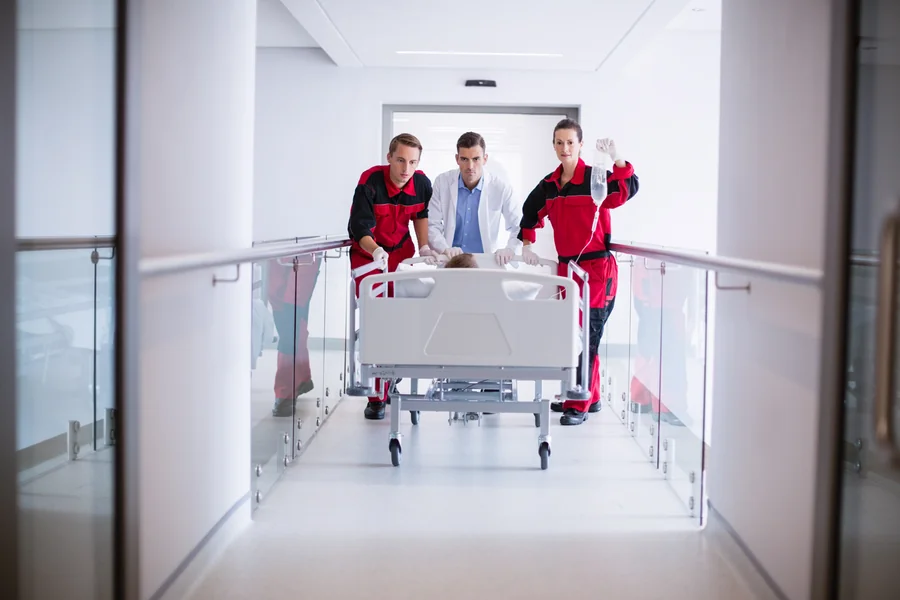
Wider door openings, automated sliding doors, and low-resistance door mechanisms allow for easy navigation by both patients and healthcare professionals. These features also assist in the efficient transport of medical equipment and stretchers, helping staff move quickly in time-sensitive situations. Accessibility-focused door systems ensure that healthcare buildings comply with accessibility standards while creating a more inclusive and comfortable environment for everyone who enters the facility.
Improving Safety and Emergency Response
Safety is a critical concern in any healthcare setting, where emergencies can arise at any moment. Medical facility door solutions, such as those available at Horton Automatics, contribute to a safer environment by incorporating features designed to support rapid response and secure operations.
Fire-rated doors help contain smoke and flames, protecting patients and staff during emergencies. Many facilities also use doors equipped with automatic closing mechanisms that activate during fire alarms or other emergency situations. In addition, controlled access doors help restrict entry to sensitive areas such as pharmacies, operating rooms, and medical record storage spaces. By integrating safety-focused door systems, healthcare buildings can better manage emergencies while protecting both people and critical medical resources.
Promoting Efficient Workflow and Facility Operations
Healthcare professionals work in fast-paced environments where efficiency directly affects patient care. Medical facility door solutions are designed to support smooth workflows by minimizing delays and obstacles within the facility.
Automatic sliding doors, swing doors with hands-free operation, and high-speed doors help staff move quickly between rooms and departments. This efficiency is especially valuable in areas such as emergency departments, surgical suites, and intensive care units where every second matters. Well-designed door systems also help reduce congestion in busy corridors, making it easier for staff to transport patients and equipment without disruption.
Ensuring Durability and Long-Term Performance
Healthcare facilities experience constant activity, making durability a critical factor in building design. Medical facility door solutions are built to withstand heavy daily use while maintaining reliable performance over time.
These doors are often constructed with reinforced materials, impact-resistant surfaces, and durable hardware that can handle frequent opening and closing. Many are also designed to accommodate specialized equipment, such as radiation shielding or sound insulation, depending on the room’s function. Investing in durable door systems decreases maintenance issues and ensures that critical areas of the facility remain operational without interruption.
While doors may seem like a small part of a healthcare building, their impact on safety, efficiency, and patient care is significant. Medical facility door solutions help control infection, improve accessibility, support emergency response, and streamline daily operations. As healthcare facilities continue to evolve to meet growing patient needs and regulatory standards, investing in specialized door systems remains an essential part of building environments that prioritize both care and safety.