
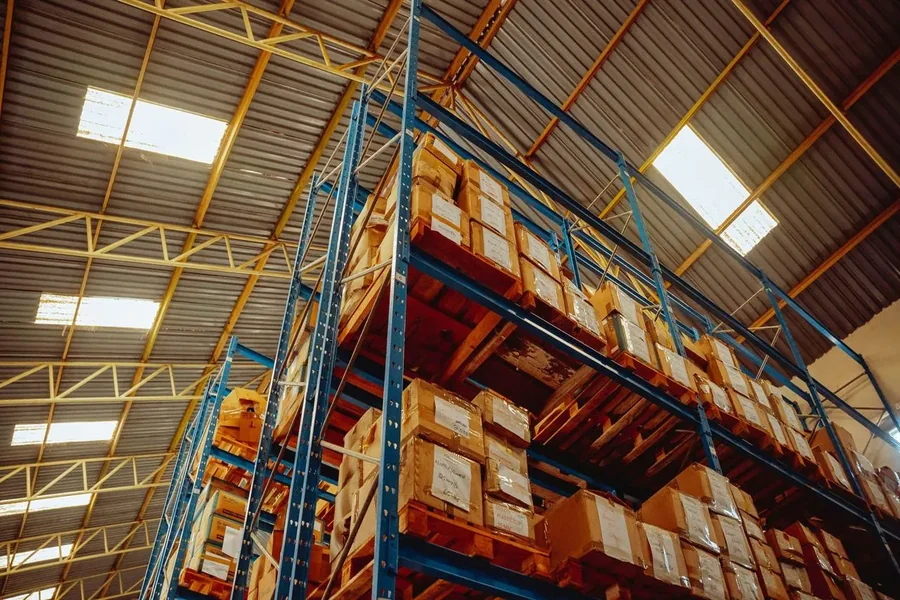
The world of warehousing is transforming at an unprecedented pace. As global supply chains become more complex and customer expectations continue to rise, warehouses are no longer just storage spaces — they are high‑tech, data‑driven hubs of fulfillment and innovation. Going into 2026, several key trends are reshaping how goods are stored, managed, and moved. From artificial intelligence (AI) and robotics to sustainability and new labor models, modern warehousing is becoming smarter, greener, and more agile than ever before.
1. Automation and Robotics: From Assistance to Autonomy
Automation isn’t new, but in 2026 it has moved far beyond conveyor belts and barcode scanners. Warehouses are increasingly deploying autonomous mobile robots (AMRs), automated picking systems, and collaborative robots (cobots) that work alongside human teams. These systems help accelerate order fulfillment, reduce errors, and lower operating costs.
Robotics today can handle more than repetitive tasks — they can adapt to changes in real time, learn from their environment, and interact safely with workers. For example:
- Robotic picking arms equipped with vision systems can handle irregular items.
- AMRs dynamically navigate warehouse floors without fixed paths.
- Cobot assistants take on tasks like palletizing and packing, allowing human workers to focus on oversight and quality control.
This blend of automation and human labor improves efficiency while maintaining flexibility in fast‑changing fulfillment environments.
2. Artificial Intelligence and Predictive Analytics
AI is the brain behind modern warehouses. Machine learning algorithms and predictive analytics are being deployed in every corner of the warehouse — from inventory forecasting and demand planning to real‑time operational insights.
Key applications include:
- Inventory optimization that predicts demand accurately, reducing excess stock and stockouts.
- Dynamic slotting where AI recommends the best placement of goods to minimize picking time.
- Predictive maintenance of equipment that prevents breakdowns and reduces downtime.
With advanced analytics, warehouses can process enormous amounts of data and make smarter decisions, often in real time. This improves accuracy, reduces waste, and enhances customer satisfaction by ensuring products are available when and where they’re needed.
3. Sustainability and Green Warehousing
Sustainability is no longer optional — it’s essential. Warehouses consume significant energy and resources, and as environmental regulations tighten and customer demands for green practices increase, companies are investing in eco‑friendly operations.
In 2026, sustainable warehousing trends include:
- Energy‑efficient buildings with LED lighting, solar panels, and better insulation.
- Electric industrial vehicles and charging stations for forklifts and handling equipment.
- Recycling and waste reduction programs that minimize packaging waste and improve material reuse.
- Many warehouses are also opting for efficient forklift hire, ensuring that temporary fleet needs are met with lower emissions and optimal operational performance.
Some warehouses have even started employing carbon tracking tools to measure and reduce their footprint at every stage of the supply chain. These efforts not only benefit the environment but can also lead to cost savings and stronger brand reputation.
4. Workforce Transformation and Human‑Technology Collaboration
Despite the rise in automation, the human workforce remains indispensable in warehousing. However, the roles and skills required are changing rapidly. Warehouses are increasingly hiring workers with digital and analytical skills who can manage automated systems, interpret data, and optimize workflows.
Key workforce trends include:
- Upskilling and reskilling programs to train employees on robotics, analytics platforms, and system troubleshooting.
- Hybrid roles where workers oversee automated processes and handle exceptions.
- Flexible scheduling and labor models that adapt to fluctuating demand, especially during peak seasons.
In 2026, warehouses that invest in people — not just machines — will succeed by fostering a more adaptable and skilled workforce capable of working in harmony with automation.
5. Modular and Flexible Warehouse Design
Rigid — fixed — warehouse infrastructures are becoming a thing of the past. In 2026, adaptability is king. Warehouses are being designed to accommodate rapid changes in product lines, order volumes, and fulfillment strategies.
This is achieved through:
- Modular shelving and storage systems that can be reconfigured quickly.
- Mobile racks and automated sorting systems that adapt layout based on demand.
- Scalable technologies that allow companies to expand or contract their operational footprint without major capital expenses.
Flexibility not only helps in peak demand periods but also supports new business models like direct‑to‑consumer fulfillment and micro‑fulfillment centers inside urban areas.
6. Edge Computing and IoT Connectivity
Real‑time data is the backbone of a modern warehouse. The proliferation of Internet of Things (IoT) sensors, combined with edge computing, allows warehouses to collect, process, and act on data almost instantly.
Examples of how IoT impacts warehousing:
- Smart shelves that monitor weight and detect inventory levels.
- Wearables for workers that provide navigation and task guidance.
- Sensor‑enabled equipment that tracks operational health and safety conditions.
Edge computing reduces reliance on centralized data centers by processing data locally, which increases speed and reliability — a major advantage for real‑time decision‑making on the warehouse floor.
7. E‑Commerce and Omnichannel Fulfillment
The growth of e‑commerce continues to drive dramatic shifts in warehouse operations. In 2026, most warehouses support omnichannel fulfillment — meaning they can handle orders for both businesses and individual consumers from the same inventory pool.
This trend requires:
- Faster picking and packing capabilities
- Batch processing for small orders
- Last‑mile delivery integration
Warehouse strategies increasingly focus on reducing lead times and improving delivery experiences, even for single items shipped directly to consumers. Micro‑fulfillment hubs located close to high-density urban areas help speed delivery while reducing transportation costs and emissions.
8. Enhanced Safety Through Technology
Safety is always a priority, and technology is playing a bigger role in protecting workers. Innovations in safety tech include:
- Collision avoidance systems for vehicles and robots.
- Wearable sensors that detect worker fatigue and unsafe conditions.
- AI‑powered video analysis that spots hazards and flags unsafe behavior.
These tools not only reduce injuries but also create a culture of accountability and well‑being within the warehouse environment.
Conclusion: Warehousing in 2026 Is Smarter, Greener, and More Human‑Centered
As we move through 2026, warehousing is evolving into a highly efficient, technology‑rich, and flexible part of the supply chain. Automation and AI are accelerating productivity, sustainability practices are reducing environmental impact, and workforce capabilities are expanding alongside machine intelligence.
The warehouses of tomorrow are not just storage facilities — they are strategic hubs that power modern commerce, deliver exceptional customer experiences, and support global trade with precision and speed. Companies that embrace these emerging trends will be best positioned for success in an increasingly digital and competitive world.


