
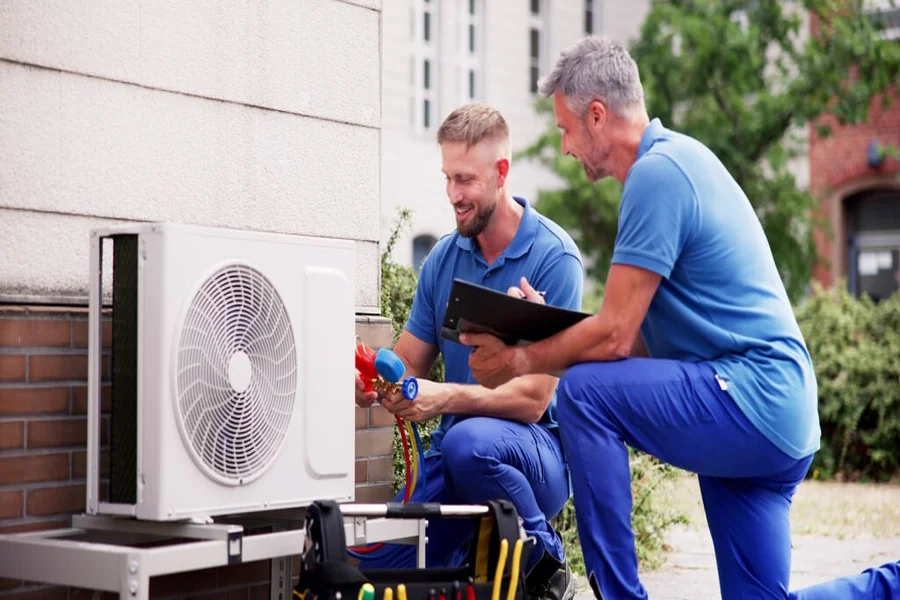
In any workshop, whether professional or home-based, tools are essential assets. They make tasks easier, more efficient, and precise. However, the performance and lifespan of these tools are not guaranteed—they depend heavily on proper maintenance. Neglecting tools can lead to decreased efficiency, potential safety hazards, and increased costs due to replacements. Understanding the principles and practices of tools maintenance is crucial for anyone who regularly works with hand tools, power tools, or machinery.
Understanding Tools Maintenance
Tools maintenance refers to the regular care, inspection, cleaning, and repair of tools to ensure they remain in optimal working condition. Maintenance is not just about cleaning tools; it encompasses preventive measures, correct storage, timely repairs, and sometimes calibration. Tools maintenance can be categorized into three main types: preventive maintenance, corrective maintenance, and predictive maintenance.
Preventive maintenance involves routine checks and servicing to prevent tools from breaking down. Examples include sharpening blades, lubricating moving parts, and checking power cords. Corrective maintenance occurs after a tool shows signs of malfunction, such as replacing worn-out parts. Predictive maintenance uses monitoring techniques to predict tool failure before it happens, a method commonly used in industrial machinery.
Benefits of Proper Maintenance
- Extended Lifespan: Regular maintenance significantly increases the longevity of tools. For instance, lubricating power tool motors prevents overheating and wear, extending the device’s functional life.
- Improved Safety: Tools in poor condition are more likely to cause accidents. A dull saw blade or a frayed electrical cord can lead to severe injuries. Regular maintenance reduces these risks.
- Enhanced Efficiency: Clean, well-maintained tools perform better. A sharp chisel cuts wood more smoothly, and a calibrated measuring device provides more accurate readings.
- Cost Savings: Investing time in maintenance reduces the need for frequent replacements and repairs, ultimately saving money. In a professional setting, this can also mean reduced downtime, which is financially beneficial.
Basic Tools Maintenance Practices
1. Cleaning
Cleaning is the most basic yet essential aspect of tool maintenance. Dirt, dust, and debris can cause tools to malfunction. For hand tools like hammers, screwdrivers, or pliers, cleaning can be done with a simple cloth. For power tools, compressed air can remove dust from hard-to-reach areas. After cleaning, metal surfaces should be lightly oiled to prevent rust.
2. Sharpening and Calibration
Blades, drill bits, chisels, and saws lose their sharpness over time. Regular sharpening restores cutting efficiency and reduces user effort. For measuring tools such as calipers and micrometers, calibration ensures accuracy. Many workshops keep a schedule for sharpening and calibration to maintain consistent performance.
3. Lubrication
Lubrication reduces friction and prevents metal parts from wearing out prematurely. Hinges, gear systems, and sliding components benefit from periodic oiling. Using the correct type of lubricant is essential; for example, sewing machine oil is ideal for fine mechanisms, while heavier grease works for large machinery.
4. Inspection and Repair
Routine inspections help identify problems early. Check for cracks, rust, loose handles, or frayed wires. For power tools, ensure that switches and cords are intact. Small issues like loose screws or minor rust spots should be addressed immediately to prevent bigger failures.
5. Proper Storage
Correct storage protects tools from environmental damage. Metal tools are prone to rust if exposed to moisture. Storing them in dry, ventilated areas or toolboxes with anti-rust liners is recommended. Using a sturdy aluminum toolbox can also protect tools from impact, moisture, and corrosion while making them easy to organize and transport. For power tools, always disconnect batteries or cords and store them away from heat and humidity. Tool organization also prevents unnecessary wear and makes it easier to locate items when needed.
6. Safety Gear and Practices
Maintaining tools also involves using proper safety gear. Gloves, eye protection, and hearing protection reduce the risk of accidents. Additionally, following manufacturer guidelines for tool use ensures safe operation. Maintenance manuals often provide essential instructions for cleaning, lubrication, and replacement of parts.
Specialized Maintenance for Power Tools
Power tools like drills, saws, and sanders require more attention than hand tools due to their mechanical and electrical components. Regularly checking the motor, brushes, and bearings can prevent malfunctions. Belt-driven tools need periodic tension adjustments, while battery-powered tools require proper charging cycles to extend battery life. Some tools also have air vents that must remain free of dust to avoid overheating.
For industrial-grade machinery, predictive maintenance using sensors is common. Vibration analysis, thermal imaging, and performance monitoring allow technicians to anticipate problems before they become critical. This approach minimizes downtime and keeps operations running smoothly.
Environmental Considerations
Environmental factors can affect tool longevity. Humidity promotes rust, while extreme temperatures can damage batteries and electronic circuits. Tools should be stored in climate-controlled environments whenever possible. Additionally, proper disposal of worn-out parts or old batteries ensures compliance with environmental regulations and reduces ecological impact.
Developing a Maintenance Routine
Creating a maintenance schedule is a practical way to ensure consistency. A simple checklist can include tasks like cleaning, sharpening, lubrication, inspection, and storage. Frequency depends on tool usage; heavily used tools may require weekly attention, while others might only need monthly checks. Keeping records of maintenance activities helps track tool condition and plan replacements proactively.
Conclusion
Tools are the backbone of efficiency and precision in any task, from construction and woodworking to home DIY projects. Proper maintenance is not just about preserving functionality—it is about safety, efficiency, and cost-effectiveness. Through regular cleaning, sharpening, lubrication, inspection, and proper storage, tools can remain reliable and long-lasting.
Investing time in maintenance pays dividends in performance and safety. For professionals, this can mean fewer interruptions, reduced expenses, and higher productivity. For hobbyists, it ensures that projects are completed smoothly and safely. Ultimately, tools maintenance is an investment in the tools themselves and in the quality and success of the work they enable. Taking care of tools today ensures they remain ready, reliable, and safe for the challenges of tomorrow.