Navigating health challenges can feel overwhelming, especially when different conditions require different levels of care. Specialized programs and treatment centers are designed to address specific medical needs with focused expertise and compassionate support. Whether someone is managing a chronic illness, recovering from surgery, or facing cognitive decline, tailored care can make a meaningful difference.
These programs bring together skilled professionals, advanced therapies, and structured plans to guide patients toward improved well-being. They also provide families with education and reassurance during difficult times. By understanding the range of options available, individuals can make informed decisions about their care. Below are several key types of specialized programs that support various health cases.
Treatment Center for Alzheimer’s Disease
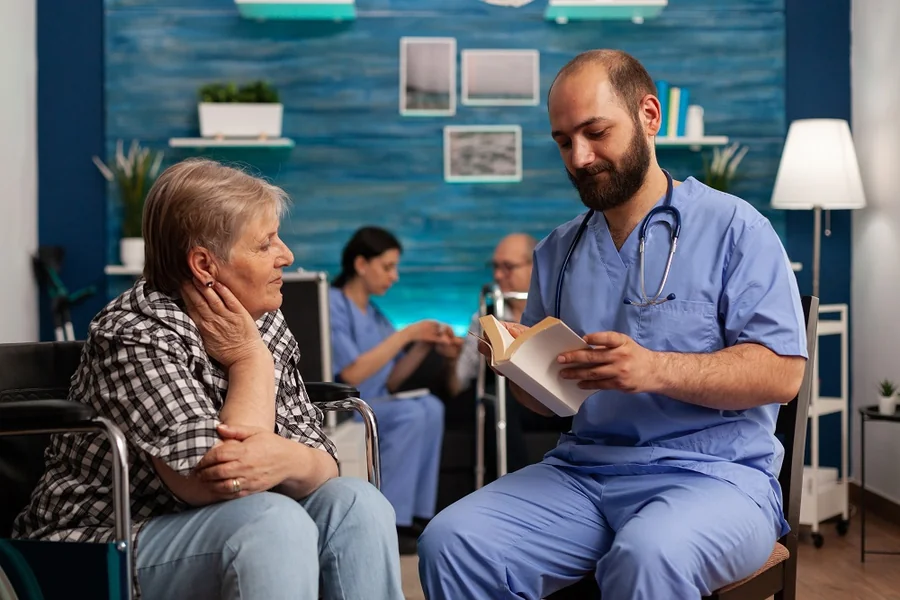
A treatment center for Alzheimer’s disease focuses on providing structured support for individuals experiencing memory loss and cognitive decline. These centers often combine medical oversight with therapeutic activities that help maintain function and quality of life. Specialized teams typically include neurologists, nurses, therapists, and social workers who understand the complexities of Alzheimer’s disease care. Daily routines are carefully designed to reduce confusion, encourage engagement, and promote safety.
In addition to patient services, families receive counseling and education to better understand disease progression. Support groups and caregiver training sessions can also be part of the program. Through compassionate and consistent care, these centers aim to preserve dignity while addressing both medical and emotional needs.
Outpatient Rehabilitation Program
An outpatient rehabilitation program is ideal for individuals who need ongoing therapy but do not require overnight hospitalization. Patients can attend scheduled sessions while continuing to live at home and maintain daily responsibilities. These programs commonly address recovery after surgery, injury, stroke, or chronic conditions affecting mobility and function.
Some facilities, such as Foundations Wellness, offer coordinated therapy plans that include physical, occupational, and sometimes speech therapy under one structured approach. Treatment plans are personalized to help patients regain strength, flexibility, balance, and independence. Regular progress evaluations ensure that goals are adjusted as recovery advances. By combining professional guidance with the comfort of home life, outpatient care supports steady and sustainable improvement.
Chronic Disease Management Programs
Chronic disease management programs are designed for individuals living with long-term conditions such as diabetes, heart disease, or respiratory disorders. These programs focus on education, symptom monitoring, and lifestyle adjustments to reduce complications. Patients learn practical strategies for medication management, nutrition, and physical activity.
Care teams often include physicians, nurses, dietitians, and health coaches who collaborate to create individualized plans. Routine check-ins help detect early warning signs and prevent unnecessary hospital visits. Emotional support is also integrated, recognizing that chronic illness affects mental well-being as much as physical health. With consistent guidance, patients can gain confidence in managing their condition effectively.
Mental Health and Behavioral Treatment Centers
Mental health and behavioral treatment centers provide structured support for conditions such as anxiety, depression, trauma-related disorders, and substance use challenges. These centers create safe environments where individuals can openly discuss concerns and receive professional guidance. Treatment may include individual therapy, group counseling, medication management, and skill-building workshops. Licensed clinicians tailor care plans based on each person’s history, symptoms, and goals.
Family involvement is often encouraged to strengthen communication and support systems. Many programs also teach coping strategies that patients can apply in daily life. With compassionate and evidence-based approaches, these centers help individuals build resilience and regain emotional stability.
Pediatric Specialty Programs
Pediatric specialty programs focus on addressing complex medical needs in children and adolescents. These programs may treat congenital conditions, developmental delays, or chronic illnesses requiring coordinated care. Pediatric specialists work closely with families to create age-appropriate treatment plans that support growth and development. Therapies are often designed to feel engaging and encouraging, helping young patients feel comfortable during appointments.
Educational support may also be included to ensure minimal disruption to school progress. Communication between providers and caregivers remains a central component of care. By tailoring services to younger patients, pediatric programs promote both physical health and overall development.
Inpatient Recovery and Post-Surgical Care Programs
Inpatient recovery and post-surgical care programs are designed for individuals who require close monitoring after major procedures or serious illness. These programs provide 24-hour medical supervision to ensure safety and steady recovery. Skilled nursing staff manage medications, wound care, and pain control while physicians oversee progress.
Rehabilitation therapies are often integrated to help patients regain mobility and strength before returning home. Structured daily schedules encourage gradual improvement without overwhelming the patient. Families are kept informed about milestones and discharge planning. With coordinated and attentive care, inpatient programs create a supportive bridge between hospital treatment and independent living.
Geriatric Care and Senior Wellness Programs
Geriatric care and senior wellness programs focus on the unique needs of older adults managing multiple health conditions. These programs often address mobility limitations, medication management, and preventive screenings. Healthcare providers take a comprehensive approach that considers physical, cognitive, and emotional well-being. Fall prevention strategies and strength-building activities are commonly included to maintain independence.
Nutritional counseling also plays an important role in supporting overall vitality. Social engagement opportunities help reduce isolation and promote mental stimulation. By offering personalized and age-sensitive care, geriatric programs enhance quality of life for seniors and provide reassurance to their families.
Conclusion
Specialized programs and treatment centers play a vital role in addressing diverse health conditions with targeted expertise. From cognitive support and rehabilitation to chronic disease and mental health care, each program is structured to meet unique patient needs. These centers emphasize coordinated treatment, patient education, and compassionate communication.
Families also benefit from guidance and reassurance throughout the care journey. Choosing the right program can significantly improve outcomes and quality of life. By exploring available options and understanding the focus of each service, individuals can feel more confident in their decisions. Ultimately, personalized and specialized care creates a stronger foundation for long-term health and well-being.