
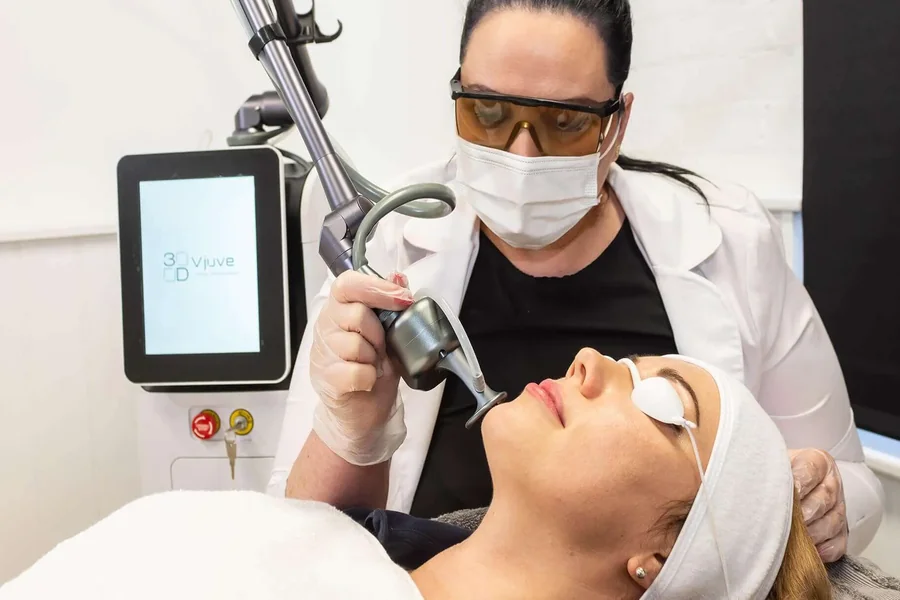
Living in Singapore’s tropical climate, it’s no surprise that many people struggle with pigmentation issues such as sun spots, freckles, and melasma. These common skin concerns can affect confidence and make achieving an even skin tone challenging. Fortunately, laser treatment for pigmentation has become a popular and effective solution for tackling these stubborn marks.
By targeting excess melanin and promoting clearer, smoother skin, this treatment can help you restore a more radiant complexion. If you’ve ever wondered why some pigmentation doesn’t improve after laser sessions, you can learn more about it here https://onefaceclinic.com/pigmentation-laser-doesnt-improve-singapore/.
Understanding Pigmentation
Pigmentation occurs when the skin produces excess melanin, the natural pigment responsible for skin color. While everyone has some degree of pigmentation, factors like prolonged sun exposure, hormonal changes, aging, and genetics can cause certain areas to darken. In Singapore, the tropical climate makes sun-induced pigmentation, such as sun spots and freckles, particularly common.
Melasma, another type of pigmentation, often appears as patchy brown or gray areas, typically on the cheeks, forehead, and upper lip, and is frequently influenced by hormonal changes or pregnancy. Understanding the type of pigmentation is important because different forms respond differently to treatment.
Sun spots and freckles generally lighten faster with laser therapy, while melasma can be more stubborn and may require a combination approach. Identifying the underlying cause helps aesthetic doctors tailor a personalised treatment plan, ensuring optimal results and reducing the risk of recurrence.
How Laser Treatment for Pigmentation Works
Laser treatment for pigmentation works by targeting areas of excess melanin in the skin. Using precise wavelengths, lasers break down the pigment into tiny particles, which the body naturally eliminates over time. This process allows for effective treatment of sun spots, freckles, and even stubborn melasma, without damaging surrounding healthy skin.
Different types of lasers, such as Q-switched Nd:YAG and PicoSure, are commonly used depending on the pigmentation type and skin tone. During the procedure, energy is delivered in short pulses, ensuring minimal discomfort and downtime.
Unlike topical creams that may only lighten the surface, laser treatment addresses pigmentation at a deeper level, providing faster, more noticeable results. This makes it a preferred choice for many seeking clearer, more even-toned skin.
Benefits of Laser Treatment for Pigmentation
Laser treatment for pigmentation offers several advantages over other treatments, making it a popular choice for those looking to improve skin tone and clarity. Some key benefits include:
- Effective on multiple pigmentation types – treats sun spots, freckles, and melasma with precision.
- Minimal downtime – most patients can resume daily activities shortly after treatment.
- Targeted treatment – lasers focus on pigmented areas without affecting surrounding skin.
- Long-lasting results – breaks down melanin at a deeper level for more durable improvement.
- Skin rejuvenation – can improve overall skin texture, tone, and brightness.
- Safe under professional supervision – reduces the risk of complications when performed by qualified aesthetic doctors.
These benefits make laser treatment an efficient and reliable solution for achieving clearer, more even-toned skin.
What to Expect During Treatment
During a laser treatment for a pigmentation session, your aesthetic doctor will first assess your skin and determine the type of pigmentation and the appropriate laser. Here’s what you can typically expect:
- Consultation and assessment – identifying pigmentation type and treatment plan.
- Preparation – cleansing the skin and applying a topical numbing cream if needed.
- Laser application – short pulses of energy target pigmented areas, breaking down excess melanin.
- Sensation – mild warmth or tingling is normal and usually well-tolerated.
- Duration – sessions typically last 15–45 minutes depending on the size and number of areas treated.
- Immediate aftercare – slight redness or swelling may appear but usually subsides within hours to a few days.
This structured approach ensures the treatment is precise, safe, and comfortable.
Aftercare and Result
After a laser treatment for pigmentation, proper aftercare is essential to ensure optimal results and prevent complications. Patients are usually advised to:
- Apply sunscreen daily to protect the treated areas from UV exposure.
- Avoid direct sun for at least a few weeks after treatment.
- Use gentle skincare products to prevent irritation.
- Avoid picking or scratching at the treated areas.
Results typically appear gradually as the body naturally removes the broken-down pigment. While some sun spots and freckles may lighten after just one session, melasma often requires multiple treatments for noticeable improvement. Patients can expect:
- Progressive fading of pigmentation over several weeks.
- Improved skin tone and texture with repeated sessions.
- Long-lasting results when combined with good sun protection and skincare habits.
Conclusion
Laser treatment for pigmentation is a safe and effective solution for addressing sun spots, freckles, and melasma, helping you achieve clearer, more even-toned skin. With the right assessment, personalised treatment plan, and proper aftercare, this procedure can deliver noticeable and long-lasting results.