
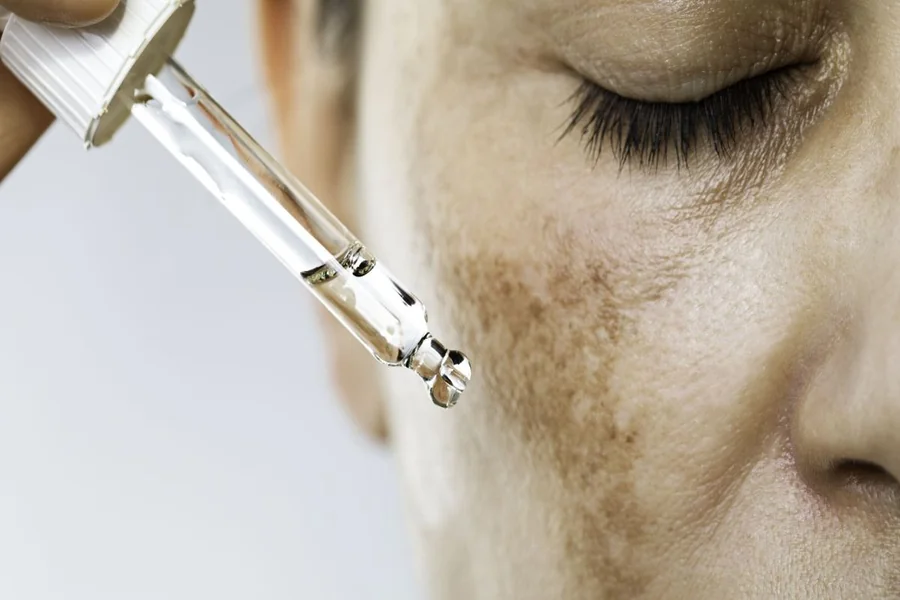
Many people with sensitive skin hesitate to seek melasma treatment because they worry about irritation or worsening pigmentation. These concerns are understandable, as delicate skin can react to certain treatments if not managed properly. Professional guidance is essential to ensure that treatment is both safe and effective. For more information on common misconceptions about melasma and why lasers are not always a cure-all, you can read here https://onefaceclinic.com/myth-debunked-lasers-cure-all-melasma-and-pigmentations/.
Understanding Sensitive Skin and Melasma
Sensitive skin is easily irritated, prone to redness, and often reacts strongly to environmental triggers, harsh products, or even minor changes in routine. For individuals with sensitive skin, treating melasma requires careful consideration because aggressive treatments or incorrect formulations can worsen pigmentation or cause flare-ups.
Melasma itself is a form of hyperpigmentation that typically appears as brown or grayish patches on the face, most commonly on the cheeks, forehead, nose, and upper lip. It is often triggered by a combination of factors, including sun exposure, hormonal changes, and inflammation. In people with sensitive skin, these triggers can create a cycle where pigmentation worsens after irritation, making treatment more challenging.
Because sensitive skin and melasma both require precise management, professional evaluation is key. A medical aesthetics doctor in Singapore can assess your skin type, identify triggers, and select treatments that reduce pigmentation while minimizing the risk of irritation, ensuring safer and more effective results.
Why Some Treatments Can Irritate Sensitive Skin
Not all melasma treatments are suitable for sensitive skin, and using the wrong approach can sometimes worsen pigmentation instead of improving it. Topical bleaching creams, strong acids, or high-concentration chemical peels may cause redness, dryness, or even post-inflammatory hyperpigmentation in reactive skin.
Laser and light-based therapies, while effective for many patients, can also be too aggressive if the skin is thin, inflamed, or prone to redness. Even treatments that are generally safe can lead to irritation if used too frequently or at higher intensities than the skin can tolerate.
This is why sensitive skin requires treatments that are carefully selected and calibrated. Professional guidance allows the doctor to determine which therapies are gentle enough to avoid flare-ups while still targeting melasma effectively. Customizing treatment schedules, concentrations, and techniques is essential to achieve results without compromising the skin’s health.
Safe Topical Treatments for Sensitive Skin
For individuals with sensitive skin, choosing the right topical treatments is crucial to manage melasma effectively without causing irritation. Gentle formulations that contain mild lightening agents, antioxidants, or anti-inflammatory ingredients can help reduce pigmentation gradually.
Commonly used safe options include low-concentration hydroquinone creams, azelaic acid, kojic acid, and niacinamide. These ingredients work to lighten dark patches while minimizing the risk of redness, peeling, or burning sensations. It’s also important to use products that are fragrance-free, non-comedogenic, and designed specifically for sensitive skin to reduce the likelihood of irritation.
Applying these treatments consistently, in combination with a proper sun protection routine, enhances their effectiveness. Even mild topical therapies can produce significant improvement over time when applied carefully and monitored by a medical aesthetics doctor.
In-Clinic Procedures Safe for Sensitive Skin
Several in-clinic procedures can help manage melasma in patients with sensitive skin when customized by a professional:
- Low-fluence laser treatments – Target pigmentation gently without causing excessive inflammation.
- Gentle IPL (Intense Pulsed Light) – Reduces dark patches safely when settings are adjusted for sensitive skin.
- Mild chemical peels – Promote cell turnover and gradual lightening of melasma using lower concentrations to minimize irritation.
- Customized treatment plans – Doctors can adjust the frequency, intensity, and combination of procedures based on skin response.
These in-clinic procedures complement topical therapies, allowing for noticeable improvement in pigmentation while keeping sensitive skin calm and protected.
Skincare and Lifestyle Tips to Support Melasma Treatment
Even with professional treatments, proper skincare and lifestyle habits play a key role in managing melasma, especially for sensitive skin. Sun protection is critical, as UV exposure can worsen pigmentation. Using a broad-spectrum sunscreen that is gentle, non-comedogenic, and suitable for sensitive skin helps prevent new dark spots and protects the results of treatment.
A gentle skincare routine is also important. Use mild cleansers, avoid harsh scrubs or over-exfoliating, and keep the skin well-moisturized to maintain its barrier function. Limiting triggers such as excessive heat, friction, or fragranced products can reduce irritation and prevent flare-ups.
Tailored Care for Sensitive Skin
Treating melasma on sensitive skin requires careful planning and professional supervision. A medical aesthetics doctor in Singapore can design a personalized plan that addresses pigmentation safely while minimizing irritation. Key aspects of tailored care include:
- Skin assessment – Evaluating skin type, sensitivity, and pigmentation severity.
- Customized topical treatments – Selecting gentle lightening agents and appropriate concentrations.
- Controlled in-clinic procedures – Adjusting laser, IPL, or chemical peels to suit delicate skin.
- Monitoring and follow-up – Tracking progress and adjusting treatment frequency or intensity as needed.
- Supportive skincare advice – Guidance on gentle cleansing, moisturization, and sun protection.
This structured, individualized approach ensures effective melasma treatment while protecting sensitive skin from flare-ups or irritation.
Conclusion
Melasma treatment can be safe and effective for sensitive skin when approached carefully and professionally. With the right combination of gentle topical therapies, in-clinic procedures, and supportive skincare habits, patients can achieve clearer, more even-toned skin while minimizing irritation or flare-ups.
Personalized care ensures that treatments are tailored to each individual’s skin type, pigmentation severity, and lifestyle, making long-term management more achievable. To explore safe and effective melasma treatment options in Singapore, reach out to us at: