
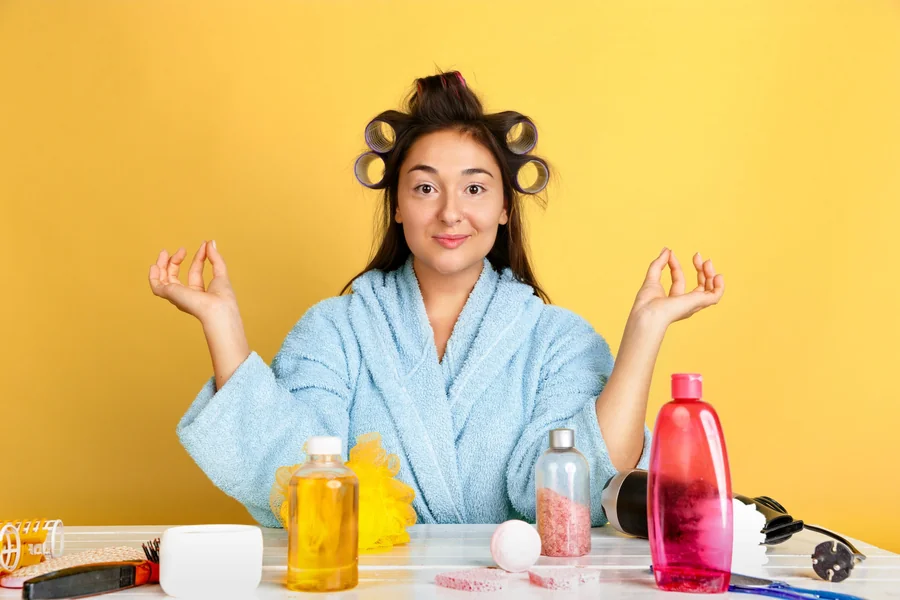
Finding the perfect hair care products can feel like navigating a maze. With countless shampoos, conditioners, masks, serums, and styling products on the market, it’s easy to feel overwhelmed. Choosing the right products is not just about following trends or picking the prettiest packaging—it’s about understanding your hair type, your scalp’s needs, and the lifestyle factors that influence hair health. In this guide, we’ll break down how to select hair care products that actually support your hair rather than complicate your routine.
Understand Your Hair Type
Before you even pick up a product, it’s crucial to know your hair type. Hair can be broadly categorized into straight, wavy, curly, and coily textures, but there are more specific factors to consider:
- Porosity: How well your hair absorbs and retains moisture. Low porosity hair resists moisture, while high porosity hair absorbs quickly but loses it just as fast.
- Density: This refers to how many strands you have per square inch. Thicker hair may need heavier moisturizers, while fine hair can become weighed down easily.
- Elasticity: Healthy hair stretches without breaking. If your hair snaps easily, it might require strengthening products.
Knowing these details helps you select shampoos, conditioners, and treatments that actually meet your hair’s unique needs. For example, a moisturizing shampoo is ideal for high-porosity hair, while a lightweight, volumizing formula works better for fine, low-porosity hair.
Consider Your Scalp’s Health
Healthy hair starts at the scalp. Many people focus solely on strands but overlook scalp care, which can lead to issues like dandruff, excess oil, or dryness. Here’s what to look for:
- Oily Scalp: Choose clarifying shampoos that remove buildup without stripping natural oils.
- Dry or Flaky Scalp: Opt for nourishing shampoos with ingredients like aloe vera, glycerin, or natural oils.
- Sensitive Scalp: Avoid harsh sulfates and heavy fragrances; gentle, hypoallergenic formulas work best.
Incorporating scalp treatments, such as serums or exfoliating scrubs, can also improve circulation and promote healthier hair growth.
Identify Your Hair Goals
Your choice of hair care products should align with your specific goals. Are you aiming for more shine, less frizz, added volume, or stronger strands? For example:
- Shine and Smoothness: Look for products with silicones or natural oils like argan, jojoba, or coconut oil.
- Frizz Control: Cream-based conditioners and leave-in treatments can help smooth the hair cuticle.
- Strength and Repair: Products with proteins such as keratin, wheat, or soy can rebuild damaged hair.
- Volume: Lightweight mousses or root-lifting sprays add body without weighing hair down.
Focusing on your personal hair goals ensures that you’re not wasting money on products that won’t deliver tangible benefits.
Understand Ingredient Labels
Reading ingredient labels is essential for making informed choices. Avoid relying solely on brand claims like “for all hair types” or “miracle repair.” Key ingredients to watch include:
- Sulfates: These strong detergents create lather but can strip hair of natural oils. Fine, dry, or color-treated hair often does better with sulfate-free shampoos.
- Silicones: They coat hair to make it look shiny and smooth but can build up over time, requiring clarifying shampoos.
- Natural Oils and Butters: Coconut oil, shea butter, and argan oil moisturize and protect hair.
- Proteins: Hydrolyzed keratin, silk, or wheat proteins strengthen hair and reduce breakage.
By understanding what each ingredient does, you can select products that truly benefit your hair rather than relying on marketing buzzwords.
Choose Products Based on Your Routine
Your hair care routine itself will influence which products you should select. Some people prefer minimal routines, while others enjoy multi-step regimens. Consider these points:
- Frequency of Washing: Daily washers may need gentle shampoos to avoid over-drying, while infrequent washers can use stronger cleansing formulas.
- Styling Habits: Heat styling requires products with thermal protection, such as heat-protectant sprays or leave-in conditioners.
- Time Constraints: Travel-size or multi-purpose products, like a 3-in-1 shampoo, conditioner, and body wash, can simplify your routine.
Matching products to your daily habits ensures consistency, which is critical for achieving the results you want.
Don’t Be Afraid to Experiment
Even with all the research, sometimes the only way to know if a product works for your hair is to try it. Start with smaller sizes or travel-sized versions before committing to full bottles. Keep an eye on how your hair responds over a few weeks—changes like reduced frizz, improved shine, or stronger strands indicate a good fit, while increased dryness or breakage may mean a product isn’t right for you.
It’s also worth mixing products strategically. For example, you might pair a protein-rich conditioner with a moisturizing shampoo, depending on your hair’s needs. And don’t forget the value of hand soap refills for cleaning tools and hands used in styling—keeping your brushes and hands clean supports overall hair health.
Seek Professional Advice When Needed
If you’re struggling with persistent issues like excessive hair fall, scalp irritation, or brittle strands, consulting a hair care professional or dermatologist can make a difference. They can recommend products specifically suited to your hair type and scalp condition, saving you trial and error. Professionals often suggest personalized routines that combine cleansing, conditioning, treatment, and styling for optimal results.
Conclusion
Choosing the right hair care products doesn’t have to be complicated. By understanding your hair type, scalp needs, and personal goals, reading ingredient labels carefully, and matching products to your routine, you can build a hair care regimen that keeps your hair healthy, strong, and beautiful. Remember, what works for someone else may not work for you—listening to your hair and adjusting as needed is the key. With patience, observation, and a bit of experimentation, finding products that complement your hair routine is entirely achievable.
Whether you’re aiming for volume, shine, frizz control, or simply a cleaner scalp, the right products can make your hair routine simpler, more effective, and even enjoyable. Start small, focus on your unique needs, and embrace the process—your hair will thank you.