
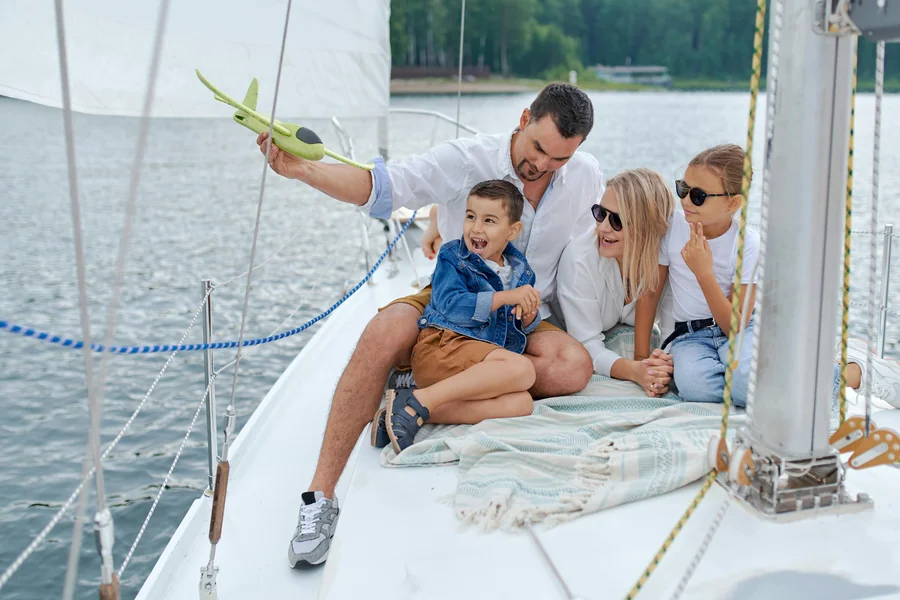
There is nothing quite like the feeling of pulling away from the dock with your family on a Saturday morning. Whether you are heading out for a day of tubing or just finding a quiet cove to drop anchor, the boat becomes a floating living room where memories are made. However, as any parent knows, that peace of mind only exists when you know everyone on board is truly safe.
In 2026, the technology available to recreational boaters has reached a point where safety is more intuitive than ever before. We are no longer just relying on life jackets and a prayer; modern vessels are designed to actively prevent accidents before they happen. Choosing a boat with the right safety suite ensures that your focus remains on the fun rather than the “what-ifs.”
Evaluating Advanced Intelligent Docking Systems
One of the most stressful parts of any family boat trip is the final five minutes when you return to a crowded marina. Wind and current can easily push a boat toward a concrete pier, creating a high-stress environment for the captain and passengers alike. Modern intelligent docking systems use sensors to hold the boat perfectly still in the water, allowing you to move in any direction with a simple joystick.
These systems act like an invisible hand that guides the vessel safely into its slip without the risk of pinched fingers or gelcoat damage. When browsing through a diverse inventory at a dealership like Temecula Motorsports, a buyer can often see how integrated joystick piloting has become a standard for families who want to eliminate docking anxiety. By removing the frantic shouting and heavy lifting at the dock, the entire day ends on a much more positive note.
Prioritizing Automatic Engine Cut-Off Switches
While the concept of an engine cut-off switch isn’t new, the way we use them has undergone a massive digital transformation. Old-fashioned lanyards were often ignored because they restricted the driver’s movement, but 2026 models utilize wireless fobs that sit comfortably in a pocket or on a wristband. If the person wearing the fob moves too far from the helm or falls overboard, the engine shuts down instantly.
This “virtual tether” is a game-changer for families with young children or active teenagers who might be moving around the deck. It ensures that the propeller stops turning immediately in an emergency, providing a critical layer of protection that works silently in the background. This technology allows the driver to move freely to help a child or adjust a line without ever compromising the safety of the vessel.
Insisting on Enhanced Digital Surround View
Navigating a busy waterway can sometimes feel like driving a car with massive blind spots, especially when small swimmers or kayaks are nearby. New recreational boats are now being equipped with bird’s-eye view camera systems similar to those found in modern luxury SUVs. These cameras stitch together a 360-degree view of the water around the hull, displayed directly on the captain’s touchscreen.
This feature is particularly vital for families who enjoy water sports like wakeboarding or skiing where people are frequently entering and exiting the water. Being able to see exactly where every family member is located in relation to the boat provides an unmatched level of situational awareness. It turns the “blind side” of the boat into a clear, visible area, making every maneuver significantly safer for everyone in the water.
Seeking Integrated Fire and Bilge Monitoring
Most people don’t think about the systems hidden beneath the floorboards until something goes wrong, but that is where true safety begins. The latest boats feature smart monitoring systems that constantly check for excess water in the hull or rising temperatures in the engine compartment. Instead of waiting for a loud alarm to sound, these systems send real-time alerts to the captain’s phone or the main dashboard display.
Automated fire suppression systems have also become more sophisticated, using clean agents that can extinguish a flame without ruining the engine. Having these automated safeguards means that the boat is looking out for itself while you are busy focusing on your family’s lunch or the next fishing spot. It provides a “silent sentry” that protects your investment and, more importantly, the lives of those on board.
Conclusion
Selecting a recreational boat in 2026 is about more than just finding a fast engine or a comfortable sun pad. It is about investing in a platform that uses modern technology to shield your loved ones from the inherent risks of the water. When you find a vessel that balances these five safety features, you aren’t just buying a boat; you are buying the freedom to enjoy the open water with total confidence.