Pests are more than just a nuisance—they can pose serious risks to your home and your health. From termites silently damaging your property to mosquitoes spreading diseases like West Nile virus, the presence of pests can quickly escalate into significant problems. Implementing effective pest control strategies is essential for maintaining a safe, healthy, and comfortable living environment. This article explores the importance of pest control, identifies common household pests, and provides actionable strategies to keep your home pest-free.
Understanding the Risks of Pests
Pests come in many forms, including insects, rodents, and other unwanted animals. Each type of pest carries its own set of risks:
- Health Risks: Many pests are vectors for diseases. Cockroaches, for example, can trigger asthma and allergies, while mosquitoes transmit serious illnesses such as malaria, dengue, and Zika virus. Rodents can carry diseases like Hantavirus and Salmonella.
- Property Damage: Termites, carpenter ants, and rodents can cause extensive structural damage to homes. Wooden beams, insulation, wiring, and furniture can all be destroyed, leading to costly repairs.
- Food Contamination: Pests like ants, flies, and rodents can contaminate food supplies, making them unsafe to eat. This not only leads to food waste but can also contribute to foodborne illnesses.
- Psychological Stress: A pest infestation can cause stress, anxiety, and sleepless nights. The mere presence of pests can disrupt a family’s sense of security and well-being.
Recognizing these risks underscores the importance of proactive pest control. Waiting until an infestation becomes severe can result in higher costs, more extensive damage, and greater health risks.
In regions like Spokane, where diverse ecosystems thrive, maintaining a pest-free environment can be particularly challenging. Homeowners often face unique pest issues that require tailored solutions. Engaging professional services for pest control Spokane can be a crucial step in safeguarding your home and health. These experts understand the local pest dynamics and can implement effective strategies to prevent infestations. By addressing potential entry points and using environmentally friendly methods, they ensure that your living space remains safe and comfortable. This proactive approach not only protects your property but also contributes to a healthier community by reducing the spread of pests and related diseases.
Common Household Pests
Understanding which pests are most likely to invade your home is the first step in effective prevention and control. Here are some of the most common offenders:
- Ants: Often drawn indoors by food and water, ants can quickly form large colonies. Some species, like carpenter ants, can damage wood structures.
- Cockroaches: Nocturnal insects that thrive in warm, humid environments. Cockroaches are particularly problematic because they reproduce quickly and can spread bacteria.
- Termites: Silent destroyers of wood, termites can compromise the structural integrity of homes without being detected until significant damage occurs.
- Rodents: Mice and rats can gnaw through wiring, insulation, and walls. Their droppings and urine pose serious health risks.
- Mosquitoes and Flies: Beyond being irritating, these insects can transmit dangerous diseases. Mosquitoes breed in standing water, while flies are attracted to garbage and decaying matter.
- Bed Bugs: These tiny pests feed on human blood, causing itchy bites and sleep disturbances. Infestations are often difficult to detect early.
Each type of pest requires a tailored approach for effective control, making it crucial to identify the specific problem in your home.
Prevention: The First Line of Defense
Preventing pests is far more effective and cost-efficient than dealing with a full-blown infestation. Here are key prevention strategies:
- Maintain Cleanliness: Regularly clean kitchens, bathrooms, and living areas. Wipe down countertops, sweep floors, and store food in airtight containers. Avoid leaving dirty dishes or pet food out overnight.
- Seal Entry Points: Inspect your home for cracks, gaps, and holes in walls, doors, windows, and foundations. Use caulk, weather stripping, or mesh screens to block entry points.
- Reduce Moisture: Many pests are attracted to water sources. Fix leaky pipes, ensure proper drainage, and use dehumidifiers in damp areas like basements.
- Proper Waste Management: Dispose of garbage regularly and use sealed trash bins. Compost piles should be kept away from the house to reduce attraction.
- Landscaping Practices: Trim trees and shrubs away from the house to prevent pests from using them as bridges. Remove standing water and debris where insects may breed.
A proactive approach reduces the likelihood of pests establishing themselves in your home, saving time and money in the long run.
Integrated Pest Management (IPM)
Integrated Pest Management (IPM) is a holistic approach that combines prevention, monitoring, and control methods to manage pest populations effectively and sustainably. IPM emphasizes minimal chemical use and prioritizes long-term solutions. Key components include:
- Inspection and Monitoring: Regularly check for signs of pests, such as droppings, gnaw marks, nests, or damaged materials. Early detection allows for quicker, more effective interventions.
- Identification: Properly identify the pest species to apply the most effective control measures. Misidentification can lead to ineffective treatments and wasted resources.
- Non-Chemical Methods: Use traps, barriers, and natural predators where possible. For example, sticky traps can monitor insect activity, and ladybugs can help control aphid populations in gardens.
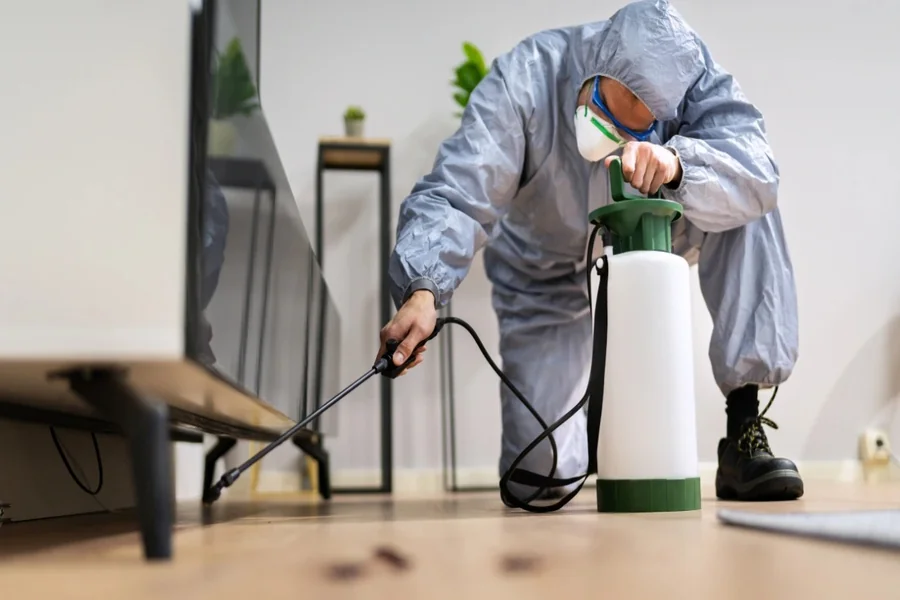
- Chemical Control: When necessary, use pesticides judiciously and according to the label instructions. Targeted treatments are preferred over broad-spectrum spraying to minimize environmental impact and harm to humans and pets.
Implementing IPM is an example of responsible pest control, balancing effective management of pests with safety, sustainability, and minimal harm to the environment.
When to Call Professionals
While many pest issues can be handled through preventive measures and DIY methods, some infestations require professional intervention. Consider calling an exterminator if:
- The infestation is widespread or persistent.
- You are dealing with dangerous pests, such as venomous spiders or aggressive rodents.
- DIY treatments have failed to control the problem.
- Structural damage, like termite activity, is suspected.
Professional pest control services offer expertise, safe and effective treatments, and long-term solutions, giving homeowners peace of mind.
Health and Safety Considerations
Pest control efforts must prioritize health and safety. When using chemical treatments, always follow the manufacturer’s guidelines, wear protective gear if recommended, and keep children and pets away from treated areas. Natural or non-toxic solutions, such as diatomaceous earth or essential oils, can also be effective against certain pests while minimizing health risks.
Conclusion
Effective pest control is essential for protecting both your home and your health. By understanding the risks posed by common pests, implementing preventive measures, and adopting an integrated pest management approach, homeowners can significantly reduce the likelihood of infestations. For severe or persistent problems, professional pest control services provide safe and reliable solutions.
Taking action early not only preserves the integrity of your home but also ensures a healthier, more comfortable living environment. Ultimately, effective pest control is an investment in both your property and your peace of mind.