
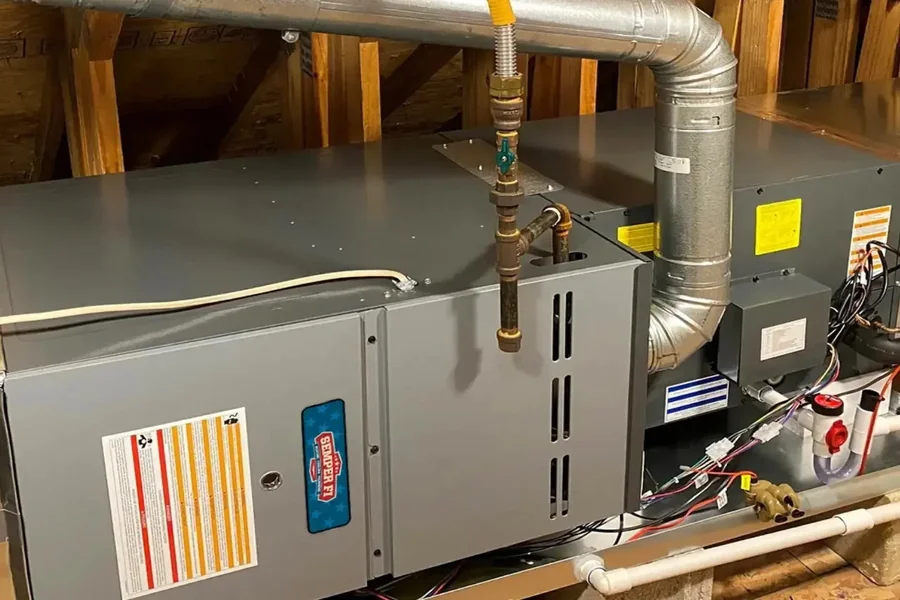
A functioning furnace is essential for maintaining comfort and safety in any home, especially during colder months. Homeowners often face the challenging decision of whether to repair an aging furnace or replace it entirely. This choice involves evaluating financial implications, energy efficiency, and long-term reliability. We will explore how to assess a heating system’s condition and make an informed decision that balances immediate needs with long-term considerations. Recognizing signs of wear, understanding the cost of repairs compared to replacement, and considering the system’s age are key factors in determining the right path. With guidance from professionals at Semper Fi Heating and Cooling, homeowners can approach this decision with clarity and confidence.
When Repair Makes Sense
Repairing a furnace can be a practical and cost-effective solution when issues are minor or when the system is relatively new. Typically, units under ten years of age that have received regular maintenance respond well to repairs. Common problems such as thermostat malfunctions, pilot light issues, or worn components can often be addressed without incurring significant expense. Choosing repair allows homeowners to maintain continuity with their current system while restoring efficiency and comfort. Technicians at the Henderson office evaluate the severity of the problem and the expected cost, helping homeowners determine whether a repair will provide reliable operation for several more years.
Repairs are also suitable when the furnace has a history of consistent performance aside from minor faults. Investing in repairs at the right time can prevent more serious breakdowns during the coldest months, saving homeowners from emergency service fees and discomfort. Regular maintenance and timely repairs often extend the unit’s lifespan, making repairs a sensible choice for households that want to balance cost with reliability. Identifying issues early helps prevent minor problems from escalating into larger, more costly concerns, giving homeowners peace of mind and uninterrupted heating.
Signs That Replacement May Be Necessary
Replacement becomes a more practical option when a furnace is older, inefficient, or unsafe to operate. Furnaces that are 15–20 years old often experience frequent breakdowns, reduced energy efficiency, and increased operating costs. Major structural issues, such as a cracked heat exchanger, severe rust, or corrosion, pose serious safety risks, including carbon monoxide leaks. In these circumstances, ongoing repairs may no longer be cost-effective, making installation of a new unit a more secure and practical investment. Professional assessment helps homeowners weigh the risks and determine the long-term benefits of replacement.
Energy efficiency is another factor that often justifies replacing a furnace. Modern heating systems offer higher efficiency ratings than older models, reducing energy costs and improving overall heating performance. Homeowners may also notice better air distribution and more consistent temperature control with a new system. Considering long-term savings on energy bills, improved indoor air quality, and enhanced reliability, replacement often represents an investment in comfort, safety, and future savings. Guidance from trained technicians ensures the new system meets household needs and budget without compromising.
Evaluating Costs and Long-Term Benefits
Cost considerations play a central role in deciding between repair and replacement. While repairs may require a lower upfront expense, repeated service calls for older furnaces can add up quickly. Replacement, though initially more expensive, typically results in fewer repairs, lower energy bills, and extended system life. Homeowners should consider both immediate expenses and long-term benefits when making this decision, including potential energy savings, warranty coverage, and the new system’s durability. Professional advice helps evaluate the total cost of ownership, balancing financial impact with performance and user experience.
Intangible factors such as safety and reliability also matter. A newly installed furnace reduces the risk of unexpected failures during extreme weather and provides consistent comfort throughout the home. While repairs may restore functionality temporarily, older systems are more likely to encounter recurring issues. Evaluating the overall impact of each option helps households make informed decisions that address both financial and practical concerns while minimizing the likelihood of emergency service needs during the heating season.
Maintenance Considerations After Repair or Replacement
Regardless of whether a furnace is repaired or replaced, ongoing maintenance is essential for efficiency, safety, and longevity. Routine inspections, cleaning, and part replacements help prevent small issues from turning into major problems. For repaired units, following a consistent maintenance schedule helps prevent minor problems from escalating, while new installations benefit from adherence to manufacturer guidelines to maximize performance. Regular upkeep can also enhance energy efficiency, improve indoor air quality, and maintain consistent comfort throughout the season.
Proper maintenance allows homeowners to address minor issues early, giving them the opportunity to plan future repairs or eventual replacement before a breakdown. Professional maintenance programs simplify this process and provide clear guidance for keeping heating systems in optimal condition. By committing to routine inspections and preventive care, homeowners ensure their furnaces remain reliable and efficient for years to come, protecting both comfort and investment.
Deciding between furnace repair and replacement requires careful consideration of age, performance, safety, and long-term costs. While repairs can offer an effective short-term solution for minor issues, replacement often provides lasting benefits in efficiency, reliability, and peace of mind. With professional guidance, homeowners can evaluate system condition, energy savings, and maintenance needs to make informed decisions. Prioritizing safety, comfort, and cost-effectiveness helps ensure heating systems remain dependable and effective throughout their lifespan. Whether repairing or replacing, taking a thoughtful approach helps families enjoy warmth and security in every season.