
Facial aesthetics have evolved significantly over the years, moving away from dramatic alterations toward subtle enhancements that preserve individuality. One of the most commonly discussed goals in facial contouring today is achieving a more balanced lower face with clearer definition. As awareness increases, many people become curious about how facial refinement procedures are generally planned and carried out.
Understanding the broad process behind facial contouring can help individuals evaluate their options more confidently, without feeling overwhelmed by technical details or marketing-driven information.
Initial Consultation and Facial Assessment
The first step in any facial enhancement journey typically begins with a professional consultation. During this stage, the practitioner evaluates overall facial symmetry, bone structure, muscle activity, skin quality, and fat distribution. This assessment is critical because facial proportions vary widely from person to person, and no single approach works for everyone.
Lifestyle factors, medical history, and personal goals are also discussed. Some individuals may want sharper contours, while others prefer gentle refinement. Clear communication at this stage ensures the recommended approach aligns with realistic expectations.
Identifying Key Areas for Enhancement
Once the assessment is complete, specific areas of the face are identified for potential enhancement. Facial contouring often focuses on maintaining harmony between the cheeks, jawline, and chin rather than isolating a single area.
Practitioners look at how muscles function during movement, where volume may be excessive or lacking, and how the skin behaves under tension. This holistic view allows for more natural-looking outcomes and reduces the risk of overcorrection.
Non-Surgical vs Surgical Considerations
Facial contouring procedures generally fall into non-surgical and surgical categories. Non-surgical approaches dominate modern aesthetic care due to minimal downtime and gradual results. These methods often aim to refine contours subtly while allowing the face to retain its natural expressions.
Surgical methods may be considered in cases where structural changes are needed, but they typically involve longer recovery periods and greater commitment. Many individuals explore non-invasive solutions first before considering more invasive options.
The choice between these paths depends on individual anatomy, goals, and comfort level with downtime.
Treatment Planning and Preparation
Once a suitable approach is selected, a treatment plan is prepared. This plan outlines the number of sessions required, expected timelines, and general aftercare guidelines. Preparation may involve temporary lifestyle adjustments, such as avoiding certain medications or skincare products, to ensure optimal safety and effectiveness.
Planning is essential because facial enhancements often involve precision. Proper preparation ensures the procedure proceeds smoothly and minimizes potential side effects.
During the Procedure
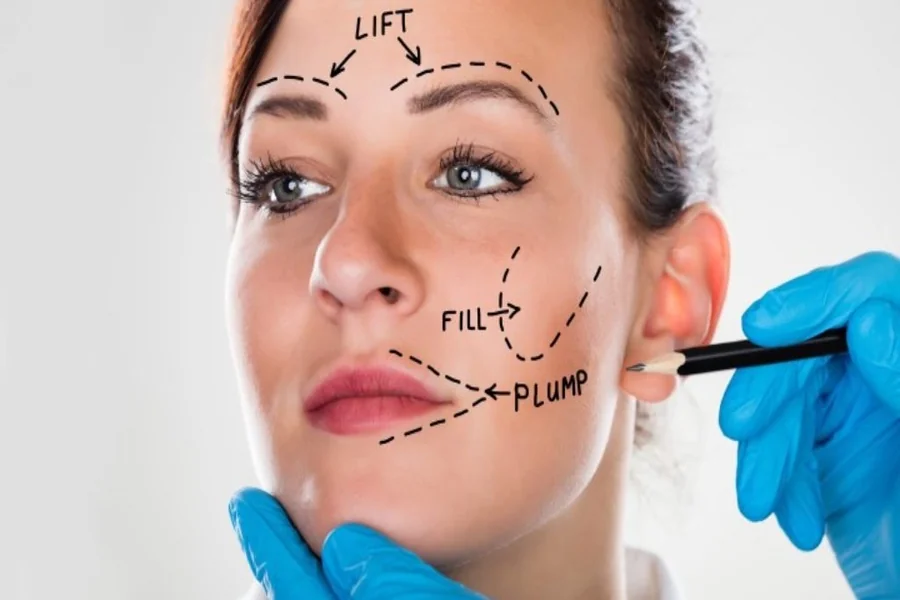
During the actual procedure, attention is focused on precision and comfort. The practitioner marks key areas and applies techniques based on the treatment plan. Non-surgical procedures are typically completed within a relatively short time and may involve mild discomfort rather than pain.
The emphasis during treatment is controlled enhancement. Rather than dramatic reshaping, practitioners focus on gentle refinement that works in balance with surrounding facial features.
Recovery and Aftercare
Aftercare plays a crucial role in the overall success of facial contouring. Individuals receive guidance on managing temporary effects such as mild swelling or tenderness. These effects usually resolve on their own within a short period, depending on the method used.
Most non-invasive procedures allow individuals to resume daily routines quickly. Follow-up appointments may be scheduled to monitor progress and determine whether additional sessions are required.
Gradual Results and Final Outcomes
One of the defining characteristics of modern aesthetic treatments is their gradual nature. Improvements develop over time as the body responds naturally to the procedure. This leads to changes that blend seamlessly with existing facial features.
Results vary based on age, skin condition, and individual response. Practitioners help manage expectations by explaining typical timelines and outcomes during consultations.
As part of their research, individuals often look for information related to v shape face Singapore procedure to better understand how facial contouring is commonly structured and approached in clinical settings.
Long-Term Maintenance and Lifestyle Support
Maintaining facial definition over time often involves more than the procedure itself. Healthy lifestyle habits such as balanced nutrition, hydration, stress management, and proper posture support long-term results. Skincare routines and periodic assessments may also be recommended, depending on individual needs.
Viewing facial contouring as part of a broader self-care approach helps ensure sustainable and satisfying outcomes.
Facial contouring today emphasizes balance, precision, and natural enhancement. By understanding the general process—from consultation and assessment to aftercare and maintenance—individuals are better equipped to make informed decisions.
With advancing techniques and a greater focus on personalized care, facial refinement procedures continue to prioritize subtlety and harmony, helping individuals enhance their appearance while preserving their natural character.