
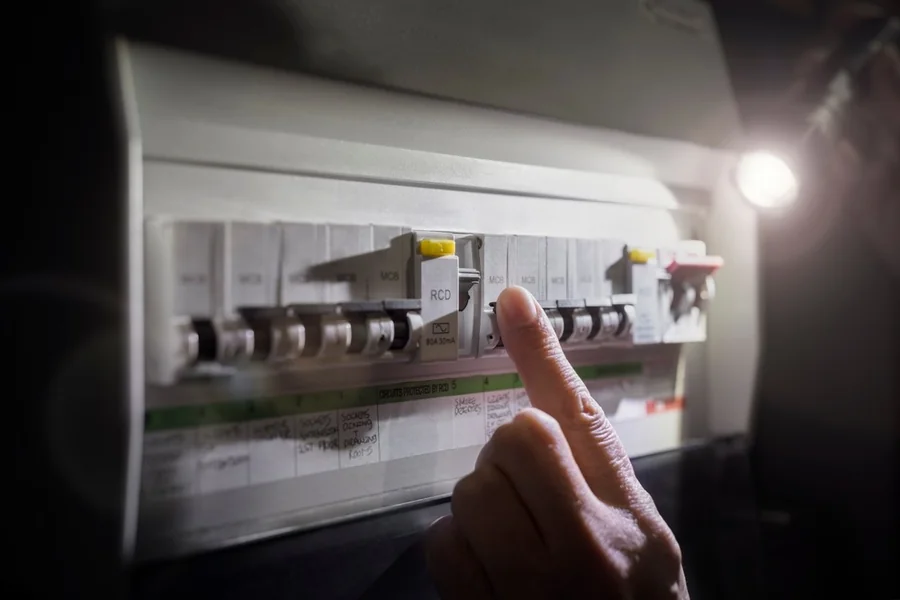
Electrical emergencies can happen at any time and often without warning. From sudden power surges to exposed wiring, these situations pose significant risks to life and property. Understanding how to respond quickly and safely during an electrical emergency is essential for preventing injuries, minimizing damage, and restoring normalcy. This article provides practical guidance on identifying electrical hazards, immediate response measures, and long-term prevention strategies.
Understanding Electrical Emergencies
An electrical emergency occurs when electricity poses an immediate danger, either due to equipment failure, faulty wiring, or environmental factors. Common scenarios include:
- Electrical shocks: Occur when a person comes into direct contact with a live wire or faulty appliance. Even a small shock can result in burns, cardiac arrest, or neurological damage.
- Electrical fires: Often caused by overloaded circuits, short circuits, or faulty wiring. These fires can spread rapidly if not controlled promptly.
- Power surges and outages: Sudden spikes or drops in voltage can damage appliances, disrupt services, and create safety hazards.
- Downed power lines: Fallen power lines due to storms, accidents, or construction work are extremely dangerous. Contact with them can be fatal.
Recognizing these situations quickly is the first step in ensuring safety for yourself and others.
Immediate Response Measures
When faced with an electrical emergency, your response should prioritize human safety over property protection. Here are the steps to take:
1. Stay Calm and Assess the Situation
Panic can increase the risk of injury. Quickly observe the environment and identify the source of danger. Determine whether the emergency involves a person in contact with electricity, a fire, or a malfunctioning appliance.
2. Disconnect the Power Source
If safe to do so, turn off the main power supply. This could involve unplugging appliances, switching off the circuit breaker, or using a safety disconnect switch. Never attempt to touch a person or appliance while they are in direct contact with a live electrical source. For more complex situations, contacting a fast-response emergency electrician can ensure professional intervention without delay.
3. Keep a Safe Distance
Maintain a safe distance from electrical fires or downed power lines. For fires, keep at least 10 feet away from live wires. For downed power lines, do not approach until utility professionals declare it safe.
4. Avoid Water
Water is an excellent conductor of electricity. Never use water to extinguish an electrical fire or touch someone receiving an electric shock. Instead, use non-conductive materials or specialized equipment such as a Class C fire extinguisher.
5. Administer First Aid
If someone receives an electric shock and is no longer in contact with the source, check their responsiveness and breathing. If the victim is unconscious and not breathing, begin CPR immediately. Cover burn injuries with a clean, non-stick cloth and seek medical attention promptly.
6. Call Emergency Services
Even minor electrical incidents can escalate into life-threatening situations. Contact local emergency services or the fire department if you suspect any danger beyond your control. Provide clear details about the situation, including the type of electrical emergency and location.
Handling Specific Electrical Emergencies
Different emergencies require tailored responses:
Electrical Fires
- Use a Class C fire extinguisher: These extinguishers are designed for electrical fires and prevent the risk of electrocution.
- Never use water: Using water can conduct electricity and worsen the situation.
- Evacuate if uncontrolled: If the fire is spreading, prioritize evacuation and call the fire department immediately.
Electrical Shock
- Do not touch the victim if still in contact with the source: Use a non-conductive object, such as a wooden broom handle, to separate the person from the electricity.
- Assess for injuries: Burns, cardiac arrhythmias, or muscle spasms are common. Seek medical attention even if the shock appears minor.
Downed Power Lines
- Keep a wide perimeter: Maintain a distance of at least 30 feet from the line.
- Warn others: Prevent anyone from approaching until utility professionals arrive.
- Do not attempt to move the line: Only trained personnel with proper equipment should handle live wires.
Preventive Measures
While knowing how to respond during an emergency is vital, prevention remains the best defense against electrical hazards. Here are practical strategies:
1. Regular Inspections
Have a licensed electrician inspect your home or workplace periodically. Look for signs of frayed wires, burnt outlets, or faulty appliances. Prompt repairs can prevent emergencies before they occur.
2. Use Electrical Equipment Properly
Avoid overloading outlets and circuits. Follow manufacturer instructions for appliances and use surge protectors for sensitive electronics.
3. Install Safety Devices
Circuit breakers, ground-fault circuit interrupters (GFCIs), and smoke detectors can significantly reduce risks. GFCIs, in particular, protect against electrical shocks in wet areas like bathrooms and kitchens.
4. Educate Yourself and Others
Ensure all household members or employees understand basic electrical safety. Teaching children never to touch outlets or wires can prevent accidents. Training staff on emergency protocols enhances overall safety in the workplace.
5. Maintain Clear Access
Keep electrical panels and outlets unobstructed. Ensure emergency exit routes are accessible in case of an electrical fire.
Long-Term Solutions and Professional Assistance
For recurring electrical problems, professional intervention is critical. Licensed electricians can:
- Replace outdated wiring and panels.
- Install surge protection and advanced safety systems.
- Evaluate risk factors and implement long-term safety measures.
Investing in professional inspections and upgrades reduces the likelihood of emergencies and protects both people and property.
Conclusion
Electrical emergencies demand immediate, careful, and informed responses. By staying calm, maintaining safe distances, using appropriate tools, and seeking professional assistance, you can effectively manage electrical hazards. Prevention is equally important—regular inspections, proper equipment use, and safety education dramatically reduce risk. Understanding and implementing these strategies not only safeguards your property but, most importantly, protects lives. Electrical safety is not just a precaution; it is a responsibility that ensures a secure environment for everyone.