
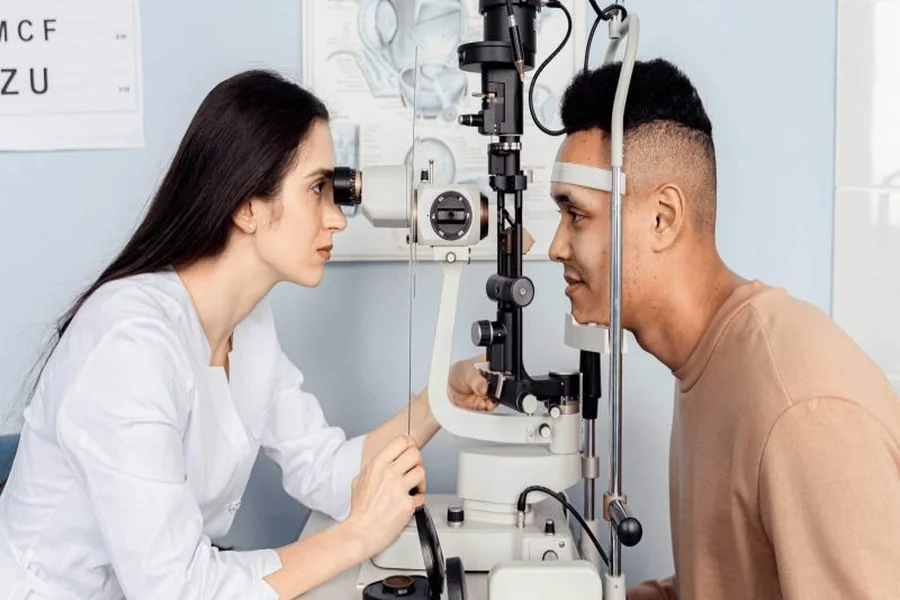
Age-Related Macular Degeneration (AMD) is one of the leading causes of central vision loss, particularly among older adults, and it can significantly impact daily activities such as reading, driving, and recognising faces. The condition occurs when the macula, the central part of the retina responsible for sharp, detailed vision, gradually deteriorates, leading to blurred or distorted central sight.
An ophthalmologist Singapore plays a vital role in the early detection, diagnosis, and long-term management of retinal conditions like AMD through comprehensive eye examinations and advanced retinal imaging techniques. Because AMD often develops silently in its early stages, many patients may not notice symptoms until vision changes become more noticeable.
Early assessment and regular follow-up with an ophthalmologist Singapore are essential, as timely intervention can help slow disease progression and preserve central vision. To learn more about AMD and retinal eye care, read more here https://www.drchelvinsng.com/age-related-macular-degeneration/.
What is the Macula and Why It Matters
The macula is a small but highly specialised area located at the centre of the retina, responsible for producing sharp, detailed central vision. It allows us to perform everyday tasks that require fine visual precision, such as reading, recognising faces, driving, and seeing fine details clearly. When the macula is healthy, vision is crisp and well-defined; however, when it becomes damaged, central vision becomes blurred, distorted, or darkened while peripheral vision may remain relatively unaffected.
This is why conditions affecting the macula, such as Age-Related Macular Degeneration (AMD), can have a significant impact on quality of life even if total blindness does not occur. An ophthalmologist Singapore often evaluates macular health as part of a comprehensive retinal examination to detect early changes before significant vision loss develops.
Types of AMD: Dry vs Wet
Age-Related Macular Degeneration (AMD) is generally classified into two main types, each with distinct causes, progression patterns, and visual impact. Understanding the difference is important, as it influences both prognosis and treatment approach.
Dry AMD is the more common form and typically develops gradually over time due to thinning of the macula and the accumulation of small protein deposits known as drusen. Vision changes tend to be slow and progressive, often starting subtly before becoming more noticeable.
- Gradual thinning of the macula
- Presence of drusen (yellow deposits under the retina)
- Slow, progressive central vision decline
- Early symptoms may include mild blurring or difficulty with low-light vision
Wet AMD, on the other hand, is less common but more severe and can cause rapid vision loss. It occurs when abnormal blood vessels grow beneath the retina and leak fluid or blood, damaging the macula.
- Abnormal blood vessel growth under the retina
- Leakage of fluid or blood affecting macular function
- Sudden or rapid deterioration of central vision
- Higher risk of significant vision loss if not treated promptly
An ophthalmologist Singapore differentiates between dry and wet AMD using detailed retinal examination and imaging tests, which are essential for determining the stage of disease and guiding appropriate management.
Early Signs and Symptoms Patients Should Watch For
Age-Related Macular Degeneration (AMD) often develops gradually, especially in its early stages, which means many patients may not realise there is a problem until central vision begins to noticeably change.
Common early signs and symptoms include:
- Blurry or reduced central vision that does not improve with glasses
- Straight lines appearing wavy or distorted (a symptom known as metamorphopsia)
- Difficulty reading small print or recognising familiar faces
- A dark, empty, or blurred spot in the centre of vision
- Increased need for brighter light when reading or doing close work
- Colours appearing less vivid or washed out
Risk Factors for AMD in Singapore Patients
Age-Related Macular Degeneration (AMD) is influenced by several risk factors, with ageing being the most significant. Identifying these risks early allows an ophthalmologist Singapore to recommend timely screening and preventive care. Key risk factors include:
- Age above 50, with risk increasing further after 60
- Smoking, which significantly raises the risk and speeds progression
- Family history of AMD
- Cardiovascular conditions such as hypertension and high cholesterol
- Prolonged UV exposure without eye protection
- Poor diet low in antioxidants and essential nutrients
An ophthalmologist Singapore considers these factors during consultation to assess risk and advise on appropriate monitoring for early detection.
How AMD is Diagnosed in Clinical Practice
Diagnosing Age-Related Macular Degeneration (AMD) requires a detailed evaluation of the retina, as early changes may not be visible through symptoms alone. An ophthalmologist Singapore uses a combination of clinical examination and imaging tools to assess the health of the macula and determine the stage and type of AMD.
Common diagnostic methods include:
- Dilated eye examination to directly inspect the retina and macula
- Optical Coherence Tomography (OCT) to obtain high-resolution cross-sectional images of the retina
- Amsler grid testing to detect subtle visual distortion or waviness
- Fluorescein angiography (in selected cases) to evaluate abnormal blood vessel leakage in suspected wet AMD
These diagnostic tools allow an ophthalmologist Singapore to identify early structural changes, distinguish between dry and wet AMD, and monitor disease progression over time.
Treatment Options and Management of AMD
Management of Age-Related Macular Degeneration (AMD) depends on the type of condition, as dry and wet AMD require different approaches.
Dry AMD is generally managed conservatively, as there is currently no definitive cure. The focus is on slowing progression and preserving vision through regular monitoring and lifestyle measures guided by an ophthalmologist Singapore.
- Nutritional supplementation in selected cases
- Healthy diet rich in antioxidants
- Smoking cessation and risk factor control
- Routine eye checks to monitor progression
Wet AMD requires more active treatment due to the risk of rapid vision loss. The main goal is to control abnormal blood vessel growth and reduce fluid leakage.
- Anti-VEGF eye injections as first-line treatment
- In selected cases, laser therapy may be considered
- Close follow-up to monitor response and recurrence
Conclusion
Age-Related Macular Degeneration (AMD) is a major cause of central vision loss, especially in older adults, and it can affect essential daily tasks such as reading and recognising faces. Although there is no complete cure for AMD in many cases, early detection and proper management can help slow its progression and preserve vision for longer.
Because symptoms often develop gradually, regular eye screening is important for those at risk. If you are concerned about AMD or changes in your central vision, you may arrange a consultation or book a call at our clinic below:
Chelvin Sng Eye Centre – Glaucoma | Cataract Surgery | Retina Specialist | Ophthalmologist Singapore
Mount Elizabeth Novena Hospital
38 IRRAWADDY ROAD MT ELIZABETH NOVENA SPECIALIST CENTRE, #06-25, 329563
Phone: 6334 2282