Lung cancer is one of the most serious respiratory conditions and requires timely assessment and specialist-led management. While treatment options have expanded significantly in recent years, including targeted therapy and immunotherapy, surgery remains one of the most effective curative approaches for early-stage disease when the tumour is still localized. In this context, a lung surgery clinic plays a critical role in providing accurate diagnosis, staging, and advanced surgical intervention tailored to each patient’s condition.
Modern specialised centres combine surgical expertise with multidisciplinary care to improve outcomes and ensure patients receive the most appropriate treatment at the right time. Learn more here https://www.icts.com.sg/robotic-thoracic-surgery-in-singapore-a-new-era-of-care-for-patients/.
When Lung Cancer Surgery is Recommended
Lung cancer surgery is generally recommended when the disease is detected at an early or localized stage, where complete removal of the tumour offers the best chance of cure. Most patients are assessed using detailed imaging and diagnostic tests to determine whether surgery is suitable.
In many cases, the decision is made based on how far the cancer has progressed and whether it can be safely removed. A lung surgery clinic typically considers surgery under the following situations:
- Early-stage non-small cell lung cancer confined to one area of the lung
- Tumours that have not spread to distant organs (no metastasis)
- Lung nodules that are highly suspicious for cancer after imaging and biopsy
- Cases where partial removal of the lung can achieve clear margins
- Selected patients who have responded well to initial treatments such as chemotherapy or radiotherapy
Careful assessment ensures that surgery is recommended only when it offers a meaningful benefit in terms of survival and disease control.
Pre-Surgical Evaluation and Planning
Before lung cancer surgery is performed, a thorough pre-surgical evaluation is essential to ensure patient safety and optimise outcomes. This stage focuses on confirming the diagnosis, determining the exact stage of the disease, and assessing whether the patient is physically fit for surgery. At a lung surgery clinic, this process is highly structured and often involves multiple specialists working together.
The pre-operative assessment typically includes:
- Detailed review of CT scans, PET scans, and biopsy results
- Lung function tests to evaluate breathing capacity and reserve
- Cardiac evaluation to ensure the heart can tolerate surgery
- Blood tests and general health screening
- Assessment of overall fitness, including other medical conditions such as diabetes or hypertension
After these investigations, the case is usually discussed in a multidisciplinary team meeting involving thoracic surgeons, respiratory physicians, radiologists, and oncologists. This collaborative approach helps determine the most appropriate surgical plan, balancing effectiveness with safety and preserving as much healthy lung tissue as possible.
Modern Surgical Techniques Used Today
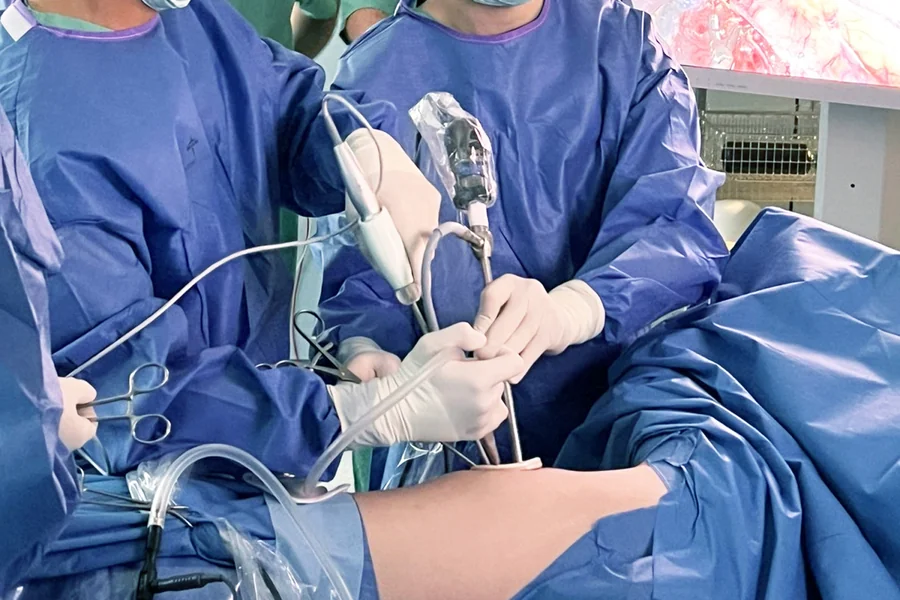
Lung cancer surgery has evolved significantly over the past decade, with most procedures now focusing on minimally invasive approaches that reduce trauma to the body while maintaining surgical precision. At a lung surgery clinic, techniques such as Video-Assisted Thoracoscopic Surgery (VATS) and robotic-assisted thoracic surgery are commonly used to access and remove diseased lung tissue through small incisions rather than large open cuts.
These modern approaches allow surgeons to operate with enhanced visualisation and greater precision, often resulting in less post-operative pain, reduced risk of complications, and shorter hospital stays. Compared to traditional open thoracotomy, patients generally experience a faster recovery and earlier return to normal daily activities. In selected cases where tumours are larger or more complex, open surgery may still be required, but the overall trend in a specialised lung surgery clinic is towards less invasive, lung-sparing techniques whenever safely possible.
What Happens During Lung Cancer Surgery
During lung cancer surgery, the primary goal is to remove the cancerous tissue while preserving as much healthy lung function as possible. The exact procedure depends on the size, location, and stage of the tumour, and may range from removing a small wedge of lung tissue to a full lobe or, in more advanced cases, an entire lung.
Common procedures include wedge resection, lobectomy, and pneumonectomy, each carefully selected based on clinical need. At a lung surgery clinic, the operation is performed under general anaesthesia, ensuring the patient is fully asleep and pain-free throughout the procedure. The surgical team closely monitors heart rate, oxygen levels, and overall stability during the operation.
Recovery After Surgery and Hospital Stay
Recovery after lung cancer surgery is a gradual process that begins immediately after the operation. Patients are usually monitored closely in a recovery or high-dependency setting to ensure stable breathing, adequate oxygen levels, and effective pain control. Early movement and breathing exercises are encouraged to reduce the risk of complications such as pneumonia or blood clots.
During the hospital stay, care is focused on pain management, chest physiotherapy, and helping the lungs expand fully after surgery. Patients are guided to perform deep breathing and coughing exercises to clear secretions and improve lung function.
The length of stay varies depending on the type of surgery performed and the patient’s overall condition, but many are able to return home once their breathing is stable and mobility improves. At a lung surgery clinic, follow-up care is carefully structured to support recovery, monitor healing, and gradually guide patients back to their normal activities.
Risks, Outcomes, and Long-Term Follow-Up
As with any major surgery, lung cancer operations carry certain risks, which may include bleeding, infection, air leaks from the lung, or temporary reduction in lung function. In some cases, patients may also experience breathlessness during recovery, especially if a significant portion of lung tissue has been removed. However, careful patient selection, advanced surgical techniques, and close perioperative monitoring at a lung surgery clinic help minimise these risks.
Despite these considerations, outcomes after lung cancer surgery are often favourable, particularly when the disease is detected early and fully removed. Many patients experience long-term disease control and significantly improved survival rates compared to non-surgical treatments alone. After surgery, regular follow-up is essential and typically includes imaging scans and clinical reviews to monitor for recurrence and assess lung function over time.
Conclusion
Lung cancer surgery today is far more refined and precise, with modern techniques allowing safer procedures, faster recovery, and better long-term outcomes when performed at the right stage of disease. Understanding the evaluation process, surgical options, and recovery journey helps patients make more informed decisions and approach treatment with greater confidence. Book a consultation with our clinic to discuss a personalised evaluation and care plan. Details below:
International Centre for Thoracic Surgery – Robotic Lung Surgery | Lung Cancer Treatment Singapore
Mount Elizabeth Novena Hospital
38 Irrawaddy Road, Mt Elizabeth Novena Specialist Centre, Irrawaddy Rd, #10 38, Singapore 329563
Phone: (65) 6591 8801