
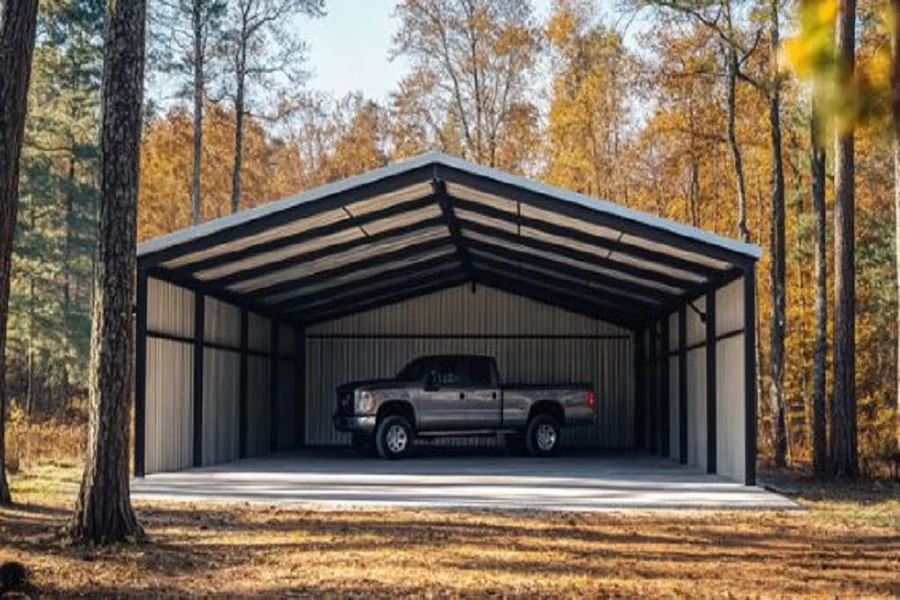
A carport is a highly practical outdoor structure designed to protect vehicles from constant exposure to changing weather conditions. It provides shade from intense sunlight, reduces interior heat buildup, and helps minimize long-term wear caused by rain, dust, and debris. Building a durable carport requires thoughtful planning and the correct combination of structural elements that work together efficiently. Each component, from the base to the roof, plays an important role in ensuring stability, safety, and long-term performance.
Without proper design choices and quality construction practices, a carport can become vulnerable to strong winds, heavy rainfall, and environmental stress. Understanding the essential parts of construction allows homeowners and builders to create a more reliable and lasting structure. This guide explains the key elements needed to build a strong and durable carport that can withstand everyday conditions.
Site Preparation and Planning
Proper site preparation is the very first and one of the most important steps in building a dependable carport. The chosen location should be completely level and free from underground obstacles such as water lines, electrical conduits, or tree roots that may affect stability. Soil condition must be carefully assessed to ensure it can adequately support the weight of the structure over time without shifting or sinking.
Planning also involves measuring the available space accurately to match the size of the vehicle while allowing enough clearance for safe movement and access. Local weather patterns should be considered during the planning stage, especially in areas prone to strong winds, heavy rain, or flooding conditions. Effective drainage planning is also essential to prevent water from accumulating around the base of the structure, which can weaken the foundation. Careful and detailed preparation at this stage helps prevent costly structural problems and repairs in the future.
Structural Framework Essentials
The structural framework serves as the backbone of any carport and is responsible for providing overall strength and stability. It is typically made up of vertical posts, horizontal beams, and reinforced joints that work together to evenly distribute weight and external pressure. The selection of materials is extremely important because it directly affects the durability, lifespan, and resistance of the entire structure. Many modern construction approaches take inspiration from steel carports, as steel is widely recognized for its exceptional strength, stability, and long-lasting performance in various weather conditions.
Proper spacing between support columns is essential to maintain balance and prevent unnecessary stress on individual components. Reinforced connection points are also necessary to reduce the risk of loosening or shifting over time, especially during strong winds. A properly engineered framework ensures that the entire carport remains secure, stable, and functional for many years.
Roofing System Selection
The roofing system is one of the most critical components of a carport because it provides direct protection against sun, rain, wind, and other environmental elements. Its design should allow water to flow smoothly and efficiently to prevent pooling, leakage, and long-term structural damage. A slight slope is often incorporated into the roof design to improve water drainage and reduce the risk of accumulation during heavy rainfall.
One commonly used and highly reliable option for long-term durability is metal roofing, which is valued for its resistance to corrosion, harsh weather conditions, and general wear. The roofing material must be compatible with the strength and design of the supporting framework to ensure balanced performance. Secure fastening methods are essential to keep the roof firmly in place, especially in areas exposed to strong winds or seasonal storms. A well-designed roofing system significantly enhances the overall efficiency and protective capability of the carport.
Foundation and Anchoring
A strong foundation is essential for ensuring that the carport remains stable, secure, and properly supported under different environmental conditions. Concrete slabs or deep footings are commonly used to create a solid base that can handle both the weight of the structure and external pressure. The foundation must be accurately leveled to prevent uneven stress distribution, which can lead to structural imbalance over time.
Anchoring systems play an important role by firmly connecting the framework to the ground and reducing the risk of shifting during storms or high winds. These anchors also help distribute structural loads more evenly across the entire base, improving overall stability. Regular inspection of the foundation is recommended to identify early signs of cracks, sinking, or other potential issues. A properly built foundation ensures the long-term safety and reliability of the entire carport structure.
Durability and Maintenance Considerations
Durability is not only determined by the quality of materials used but also by how well the structure is maintained over time. Regular cleaning is important to remove dirt, leaves, and debris that can accumulate and potentially cause corrosion or surface damage. Routine inspections should be carried out to check for loose bolts, weakened joints, or signs of rust that may affect performance. Addressing small issues early helps prevent them from developing into larger and more expensive structural problems later on.
Protective coatings or sealants can also be applied to enhance resistance against moisture, UV exposure, and environmental wear. Weather conditions such as heavy rain, intense heat, and strong winds should always be considered when evaluating the condition of the structure. Consistent and proactive maintenance ensures that the carport remains safe, functional, and durable for many years of use.
Conclusion
Building a strong and durable carport requires careful attention to planning, structural design, roofing, and foundation work. Each element plays an important role in ensuring the structure can withstand different weather conditions and daily use. A well-built framework and properly secured base provide long-term stability, while a reliable roof adds essential protection. When all components are correctly installed and maintained, the carport becomes a safe and dependable shelter for vehicles. With consistent care and quality construction, it can remain functional and durable for many years.