
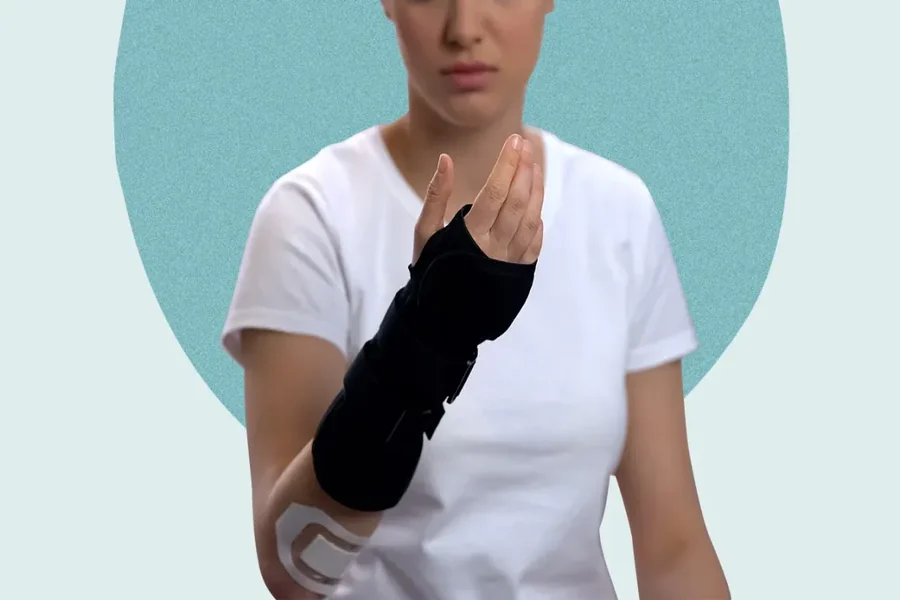
Picture yourself at your desk, navigating a high-pressure project that demands your full focus. The “grind” isn’t just about the deadlines you meet; it is about the physical toll that repetitive motion takes on your body. Perhaps you’ve started noticing a sharp, nagging sensation every time you reach for your mouse or lift a heavy box during a weekend cleanup. It wasn’t an injury that happened all at once; it was a gradual weakening that made all of your once-simple tasks feel like a heavy burden. Soon, you realize that your “primary tools,” your hands, are beginning to fail you.
This scenario highlights a common reality: your wrists are the vulnerable junctions of your daily productivity. Whether you are dealing with the micro-strains of office work or the heavy physical demands of lifting at home, a Wrist Band is more than just a piece of fabric. It is a calculated support system designed to bridge the gap between your strength and your joint’s natural limits.
Therefore, choosing the right support today can prevent a lifetime of chronic discomfort.
The Science of Support: Why Your Wrists Need Help
The human wrist consists of a complex arrangement of eight small bones that are connected to each other through ligaments. When the ligaments are overstretched, the wrist becomes unstable. A proper wrist band offers the external “scaffolding” needed to hold the wrist in a neutral and safe position.
Without the effective support:
- The wrist may bend too much or drop down, putting extra pressure on the median nerve.
- Small bones in the wrist may shift slightly, which can cause “clicking” and “popping” sensations.
- Inflammation may build up, leading to long-term conditions such as tendonitis and carpal tunnel syndrome.
Length: Finding Your Perfect Wrap
Usually, the length of a Wrist Wrap determines how many times it can revolve around your joint. This, in turn, determines the level of stability it provides.
12 to 14 Inches: Such a length brace is ideal for individuals with smaller wrists or those who need light support while maintaining high mobility. These length wrist braces are perfect for general daily tasks or light household chores.
18 to 24 Inches: The industry standard for most adults. It offers a balanced blend of comfort and rigidity, making it a versatile wrist band for both work and moderate physical activity.
36 Inches and Beyond: These are designed for maximal immobilization. They create a “cast-like” effect, which is necessary only for the most extreme loads or severe recovery phases, where zero movement is the goal to speed up recovery.
Material Matters: Cotton vs. Nylon vs. Elastic
The feel and function of your support depend heavily on the fabric composition.
Cotton Blends: These are soft, breathable, and skin-friendly. They are ideal for long-term wear, such as during an eight-hour workday.
Nylon and Polyester: These materials are tougher and less flexible. They provide a higher level of stiffness, which is essential if you are using a wrist band for gym sessions or moving heavy furniture where the joint must be locked.
Elastic Hybrids: Combining cotton with spandex provides dynamic support. These wraps stretch to fit your unique anatomy, offering a snug, custom compression that moves with you.
The Compression Guide: Striking the Balance
Compression is not about squeezing the life out of your hand; it’s about providing enough pressure to reduce swelling and improve “proprioception”, your brain’s ability to sense the joint’s position.
The Snugness Test: Your wrap should be firm enough that it’s difficult to bend your wrist, but you should still be able to move your fingers freely.
The Circulation Check: If you feel tingling, numbness, or if your fingertips change color. This indicates that the wrap is too tight. One should always loosen the band during intense tasks to allow for optimal blood flow.
Targeted Relief: If you have pain at the base of your thumb, a specialized thumb wrist brace can help by giving your thumb joint extra support. This can help with the “texting thumb” strain that is common in the digital age.
The “Don’ts” of Wrist Support
To ensure your recovery stays on track, keep these critical warnings in mind:
Don’t ignore numbness: Tingling is a sign of nerve compression; loosen your Wrist Wrap immediately.
Don’t wear them 24/7: When you wear the brace continuously, it will result in muscle atrophy.
Don’t wrap too low: If it sits only on the forearm, the joint remains unprotected.
Don’t share your gear: This spreads bacteria and compromises the elastic fit tailored to your hand.
Habits for Health: Maximizing Your Support
As wisely said, “Wealth is the slave of a wise man, the master of a fool.” Likewise, a Wrist Wrap should be your health’s slave, not your master that you cannot live without. Here are the healthy habits to use it wisely:
The “Gap” Rule: Ensure the wrap covers the actual joint line (the crease where your hand meets your arm). If it sits only on your forearm, it’s not providing support; it’s just a decorative sleeve.
Strategic Use: Wear your wrist support during high-strain activities, but perform light mobility exercises without it during your downtime. This prevents the surrounding muscles from becoming weak or dependent.
Hygiene is Key: Sweat and oils have a detrimental effect on the elastic fibers, which can weaken them over a period of time. It is imperative to hand-wash them in cold water to preserve the tensile strength of the wraps and avoid skin irritation.
The Core Message
With the right Wrist Wrap, you can get through your busy schedule without the fear of pain. Use the support during heavy lifting and typing sessions, and do not forget to do some gentle stretches in the evenings to keep your joints supple.
Your hands are the most sophisticated tools you will ever own. Whether you need a simple wrist band for daily comfort or a heavy-duty wrist band for gym use, the right choice depends on understanding your specific needs for length, material, and compression.
Therefore, be aware, be careful, and invest in medical grade quality wrist brace support today so that your weakest link never holds you back from your strongest potential and goals in life.