Thyroid cancer is a condition that, when detected early, often has a generally good prognosis, with most patients responding well to timely intervention. However, thyroid cancer treatment is not one-size-fits-all.
The approach can vary significantly depending on the type of thyroid cancer, its stage, and individual patient factors such as age, overall health, and personal preferences. Understanding the available options is essential for making informed decisions about care.
In this article, we will walk through the main approaches to managing thyroid cancer and what patients can typically expect, providing a clear guide to the thyroid cancer treatment option in Singapore for those seeking specialised care.
Surgery as the Primary Treatment
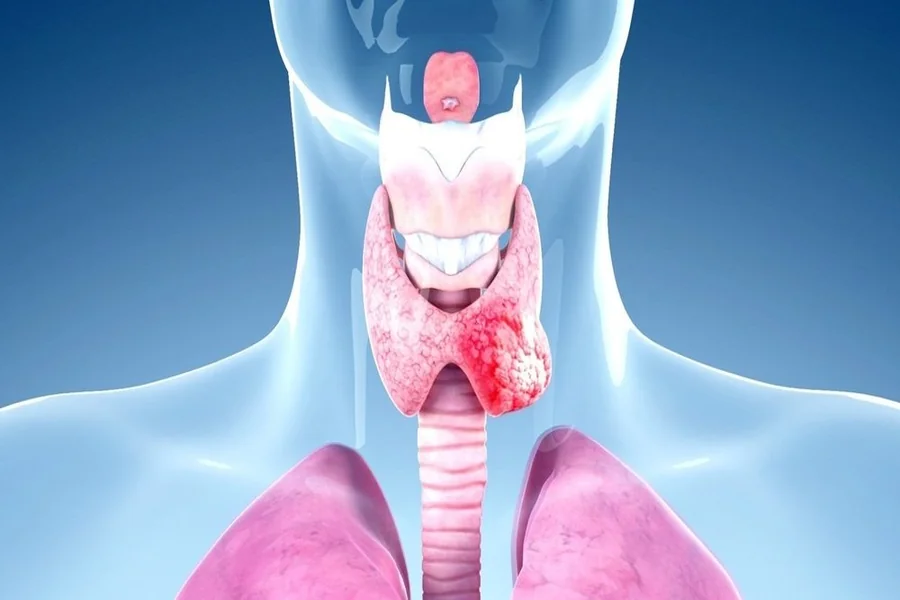
For most patients, thyroid cancer treatment begins with surgery, which remains the cornerstone of care. The type of surgery depends on the size, location, and type of cancer. A lobectomy involves removing one lobe of the thyroid and may be sufficient for small, localized cancers, while a total thyroidectomy removes the entire gland, often recommended for larger or more aggressive tumors. The goal of surgery is to remove the cancer while preserving vital structures in the neck, such as the vocal cords and parathyroid glands.
In some cases, nearby lymph nodes may also be removed if there is a risk of cancer spread. Surgical intervention not only treats the existing cancer but also lays the foundation for any subsequent treatments, such as radioactive iodine therapy or hormone replacement, to ensure comprehensive management and reduce the risk of recurrence.
Radioactive Iodine Therapy
After surgery, some patients may require radioactive iodine (RAI) therapy as part of their thyroid cancer treatment. This therapy helps destroy any remaining thyroid tissue or microscopic cancer cells that surgery may not have removed. It is most commonly recommended for patients who have undergone a total thyroidectomy, particularly those with papillary or follicular thyroid cancer.
RAI uses a small, controlled dose of radioactive iodine to specifically target thyroid cells, helping to reduce the risk of cancer recurrence by eliminating residual tissue. Patients may need temporary dietary and activity adjustments to ensure safety, and follow-up blood tests and scans are conducted to monitor the therapy’s effectiveness. The procedure is generally well-tolerated, with most patients experiencing only mild side effects such as dry mouth or fatigue.
Hormone Therapy and Suppression
Following surgery and, if needed, radioactive iodine therapy, thyroid cancer treatment often includes hormone therapy to replace the thyroid hormones the body can no longer produce. Patients are typically prescribed levothyroxine, a synthetic thyroid hormone, to maintain normal metabolism and overall health.
In addition to hormone replacement, this therapy also serves a suppressive function by lowering thyroid-stimulating hormone (TSH) levels. Since TSH can stimulate any remaining cancer cells, suppression helps reduce the risk of recurrence. Regular blood tests are essential to monitor hormone levels and adjust the dosage as needed, ensuring that patients maintain a healthy balance and receive the full benefit of treatment.
External Beam Radiation and Targeted Therapy
While surgery, radioactive iodine, and hormone therapy cover the majority of thyroid cancer treatment, some patients may require additional therapies in specific situations. External beam radiation therapy is sometimes used for patients with advanced or aggressive cancers, particularly when the tumor cannot be completely removed surgically or if cancer has spread to nearby tissues.
In rare cases, targeted therapy or systemic treatments may be considered for thyroid cancers that do not respond to conventional treatments. These therapies work by specifically targeting cancer cells while minimizing damage to healthy tissue. The choice of treatment is highly personalised, depending on the type of thyroid cancer, its progression, and the patient’s overall health.
Follow-Up Care and Monitoring
An important part of thyroid cancer treatment is ongoing follow-up and monitoring, which helps ensure long-term health and early detection of any recurrence. After completing initial treatment, patients usually have a structured plan that may include:
- Regular blood tests to monitor thyroid hormone levels and, when necessary, thyroglobulin levels to detect any remaining or returning cancer cells.
- Periodic imaging, such as ultrasound scans, to check the thyroid bed and nearby lymph nodes for changes.
- Routine consultations with a thyroid specialist Singapore to review symptoms, adjust hormone therapy, and address any concerns.
Consistent follow-up care is essential for maintaining overall health, detecting recurrence early, and providing reassurance for patients after thyroid cancer treatment.
Making an Informed Decision
Choosing the right approach to thyroid cancer treatment involves understanding the benefits, risks, and expected outcomes of each option. Patients are encouraged to discuss their diagnosis, treatment choices, and personal preferences with a thyroid specialist Singapore, who can provide guidance tailored to their individual situation.
Factors such as the type and stage of cancer, overall health, age, and lifestyle considerations all play a role in determining the most appropriate treatment plan. By actively participating in these discussions, patients can make informed decisions that align with their goals and comfort level. Collaborative decision-making ensures that treatment is not only medically effective but also personalised, giving patients confidence in their care and peace of mind throughout their thyroid cancer journey.
Conclusion
Understanding the different approaches to thyroid cancer treatment can help patients feel more informed and confident in managing their care. Early diagnosis, personalised treatment plans, and consistent follow-up are key to achieving the best possible outcomes. To schedule a consultation or learn more about thyroid cancer treatment, you can contact our clinic, at: