
Maintaining a home doesn’t have to be complicated or costly. By adopting a few simple habits, you can prevent expensive repairs, extend the life of your systems, and reduce monthly expenses. The key is consistency—small, regular efforts pay off over time. From plumbing to HVAC systems, each part of your home benefits from routine care, and neglecting even minor issues can lead to bigger problems.
In this post, we’ll explore practical maintenance habits that are easy to implement and highly effective. Each habit naturally connects to the next, so you can create a seamless home maintenance routine. By the end, you’ll have a roadmap to protect your home and save money without feeling overwhelmed.
Drain Repair and Maintenance
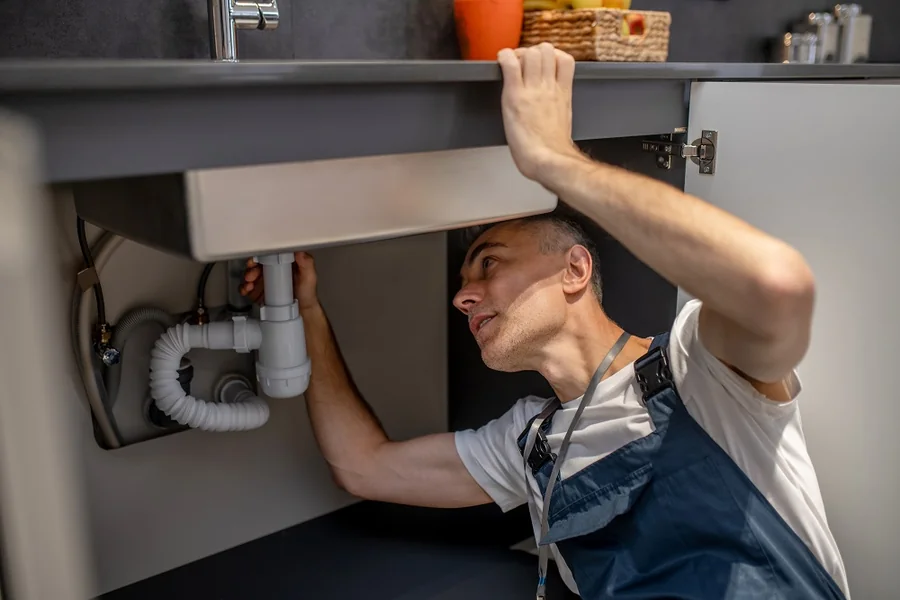
The first line of defense in your home’s plumbing system is keeping your drains clear and functional. Slow drains or minor backups are often early signs of larger problems, and addressing them promptly saves both time and money. Simple habits, like using sink strainers and avoiding grease down the drain, reduce the risk of clogs. Inspecting for slow drainage or unusual odors allows you to catch problems before they escalate.
However, for more complex problems, professional drain repair services from companies like Metro Flow Plumbing are often the most practical solution, ensuring the work is done safely and efficiently. Regular drain maintenance not only prevents costly emergency repairs but also keeps water flowing smoothly throughout your home. Keeping your drains clear isn’t just convenient—it’s a smart, long-term investment in your home’s health and your wallet.
Sewer Inspection
While drains manage the day-to-day flow of water, sewer lines handle everything leaving your home, making them just as essential. However, sewer systems are not a DIY project—scheduling a professional sewer inspection is crucial to identify cracks, blockages, or tree root intrusions before they turn into serious problems. Many experts use advanced methods like sewer line camera inspection, which allows precise assessments without invasive digging.
Detecting issues early protects your property from water damage and reduces the risk of costly repairs. Even small preventive steps, such as monitoring unusual odors and avoiding flushing inappropriate items, contribute to long-term sewer health. By staying proactive with sewer care, you ensure both efficiency and peace of mind.
Maintaining your home’s major systems often requires a proactive approach to prevent small issues from turning into costly repairs. Regularly checking air filters and clearing debris from around outdoor units can improve overall performance and extend the life of your equipment. For residents navigating the unique climate challenges of Florida, consulting with a professional experienced in hvac orlando can provide tailored insights into seasonal upkeep and energy-efficient configurations. By staying ahead of routine maintenance, you not only ensure a comfortable indoor environment year-round but also significantly reduce the likelihood of unexpected mechanical failures during peak usage months.
HVAC Filter Replacement and System Checks
Once your plumbing is in order, attention turns to your heating and cooling systems. Regularly cleaning HVAC filters improves airflow and efficiency, helping to lower energy costs while maintaining healthy indoor air quality. Replacing filters every one to three months prevents the system from overworking and reduces wear on components.
Seasonal inspections can catch minor issues, like refrigerant leaks or worn belts before they turn into costly repairs. Even simple actions, such as cleaning vents and listening for unusual noises, can significantly extend your system’s lifespan. By keeping up with consistent care, you ensure year-round comfort while keeping utility bills under control.
Consistent maintenance of your home cooling system is not just about immediate comfort; it is a primary factor in managing long-term household expenses. By neglecting small issues like clogged filters or minor leaks, homeowners often face skyrocketing energy bills as the unit works harder to compensate for poor airflow. Scheduling a professional ac repair before a complete system failure occurs can prevent the need for a costly full-scale replacement. This proactive approach ensures that every component operates at peak efficiency, ultimately extending the lifespan of the equipment. Investing a small amount of time into these routine checks translates into significant financial relief over many seasons.
Water Heater Flushing and Temperature Management
Your water heater plays a central role in both your plumbing and energy systems. Sediment buildup can reduce efficiency and drive up energy costs, while corrosion can shorten the appliance’s lifespan. Flushing your water heater once or twice a year helps it run at peak performance, and setting the temperature to around 120°F prevents scalding while conserving energy.
Regular inspections for leaks and checks of the pressure relief valve also provide added protection against unexpected failures, while simple upgrades, such as insulating hot water pipes, further improve efficiency.
Maintaining a consistent schedule for home system checks is one of the most effective ways to avoid the sudden financial burden of emergency repairs. When homeowners take the time to inspect ductwork for leaks or test the thermostat’s accuracy, they ensure the equipment operates at peak efficiency. To Learn more about how these small adjustments impact long-term utility costs, one should look at the cumulative effect of minor leaks on monthly billing. These proactive habits prevent the wear and tear that typically leads to premature system failure, ultimately preserving the value of the property while providing much-needed peace of mind during extreme weather seasons.
Roof and Gutter Care
Just as your home’s interior systems need regular attention, so does the exterior. Routine roof inspections and gutter cleaning ensure water flows away from your foundation, protecting both your structure and your investment. Clearing debris and checking for leaks prevents minor problems from turning into costly repairs, while small fixes—like replacing damaged shingles or sealing gaps—can save money over time.
Inspecting the attic for signs of moisture or mold adds an extra layer of protection, and installing gutter guards or downspout extensions enhances drainage while reducing ongoing maintenance. By caring for both the interior and exterior, you create a comprehensive home maintenance plan that safeguards your home and helps avoid unexpected expenses.
Portland’s unique climate means that water management is often a year-round priority for homeowners. Beyond just clearing gutters and checking for roof leaks, monitoring the health of your interior pipes can prevent sudden emergencies during the winter freeze. If you notice a sudden drop in water pressure or an unexplained spike in your monthly utility bill, it might be the right time to find plumbers in Portland who can identify hidden leaks before they cause structural rot. Taking these small, preventative steps ensures that your home’s infrastructure remains resilient against the damp conditions. Regularly scheduled inspections ultimately protect your investment and save you from the stress of major, avoidable repairs.
Appliance Maintenance
Every appliance in your home, from refrigerators to washing machines, thrives with a little regular attention. Simple actions—like cleaning coils, descaling, and checking hoses—can prevent inefficiency and unexpected breakdowns. Following the manufacturer’s maintenance guidelines not only keep appliances running smoothly but also help reduce energy use over time.
Small habits, such as wiping down door seals or ensuring proper ventilation, can help you prevent minor issues from turning into costly problems. Taking a moment to inspect cords and connections further minimizes fire hazards and expensive replacements. By addressing these small concerns promptly, you extend the life of your appliances and keep them performing at their best.
Lawn Irrigation and Outdoor System Checks
Outdoor systems are often overlooked, yet they play a crucial role in protecting your property and keeping costs under control. Maintaining these systems doesn’t have to be complicated, but it does require attention to detail.
For example, regularly checking sprinklers for clogs or leaks not only keeps water flowing efficiently but also helps lower your utility bills. Adjusting irrigation schedules with the changing seasons ensures your lawn stays healthy without wasting resources, while inspecting outdoor faucets, hoses, and pumps prevents water damage and erosion before it becomes a serious problem. Overgrown branches near sprinklers can cause costly equipment damage, so trimming them is a simple preventive step.
As winter approaches, preparing your irrigation system for colder months reduces the likelihood of repairs and extends its lifespan. By giving the same thoughtful care to your outdoor systems as you do to your interior, you create a complete maintenance routine that safeguards your home, maximizes savings, and preserves long-term value.
Final Thoughts
Creating a consistent maintenance routine ties all these habits together. Setting up a schedule for monthly, quarterly, and annual tasks ensures nothing is overlooked. Prioritizing inspections and minor repairs prevents emergency costs and reduces stress, while small improvements, like installing programmable thermostats or water-saving devices, provide ongoing benefits.
Over time, these small, consistent actions protect your home, reduce energy usage, and save money. By viewing maintenance as an interconnected system rather than isolated chores, you ensure a safer, more efficient, and cost-effective home.