
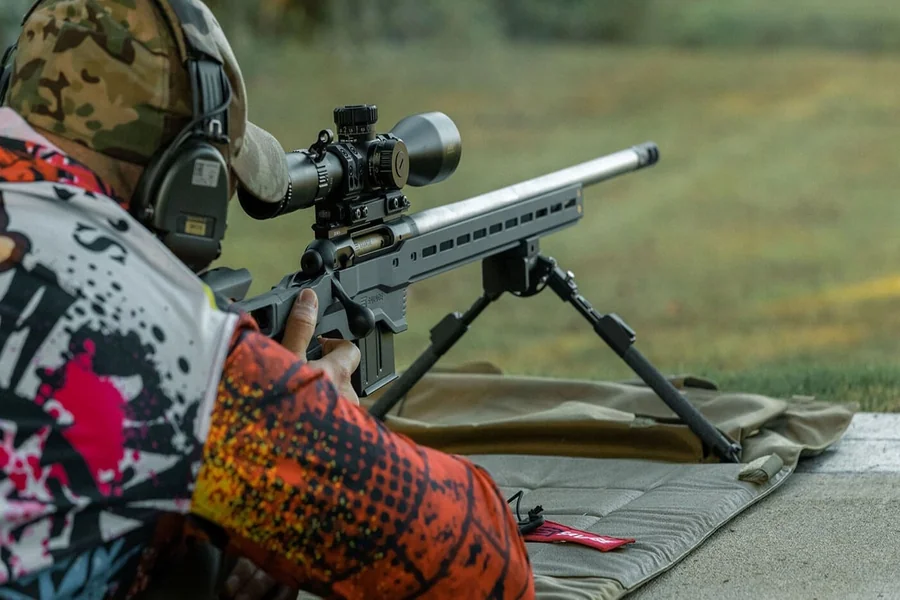
Sports shooting is a diverse and highly regulated athletic pursuit built around accuracy, consistency, and mental control. Far from the fast-paced, dramatic portrayals often seen in popular media, this sport is defined by calm environments, clear rules, and a deep respect for safety. Participants compete not through strength or speed alone, but through focus, patience, and the ability to repeat precise actions under pressure. Practiced worldwide, sports shooting has grown into a respected competitive field with recreational, youth, and elite pathways.
A Brief History of Sports Shooting
The origins of sports shooting can be traced back to practical marksmanship used for hunting and military preparation. As societies evolved, these functional skills began to transform into organized competitions, with shooters measuring their abilities against one another in controlled settings. By the nineteenth century, shooting clubs and associations were common across Europe and North America, helping standardize rules and equipment.
Sports shooting gained international recognition with its inclusion in the first modern Olympic Games in 1896. Since then, it has remained a fixture of global competition, governed by international federations that oversee regulations, classifications, and event structures. These organizations ensure that competitions emphasize fairness, safety, and skill rather than technological advantage.
Disciplines Within the Sport
One of the defining features of sports shooting is its variety. Different disciplines test different aspects of an athlete’s ability, allowing participants to find formats that suit their interests and strengths.
Target shooting is among the most widely recognized forms. Shooters aim at stationary targets from fixed distances, often in indoor ranges designed to minimize environmental variables. Precision, posture, and breath control play major roles, and success depends on the athlete’s ability to produce the same result repeatedly.
Clay target shooting introduces movement and timing. In events such as trap, skeet, and sporting clays, athletes track and aim at moving clay discs launched through the air. This discipline requires smooth coordination and quick decision-making while maintaining composure.
Practical or action shooting disciplines add elements of movement and time pressure. Competitors navigate courses that require engaging multiple targets in a defined sequence. Despite the dynamic nature of these events, strict safety protocols and scoring systems ensure that control and accuracy remain the top priorities.
The Role of Equipment
While sports shooting is ultimately about skill, equipment plays a supporting role. Governing bodies carefully regulate what can be used in competition, setting limits on design, weight, and features to maintain a level playing field. Advances in materials and manufacturing have improved consistency and comfort over time, but technology is never meant to replace technique.
Training environments often include carefully designed ranges and high-quality practice materials, and many clubs invest in premium shooting targets to ensure consistent feedback and fair scoring for athletes at all levels. Even so, the sport’s culture emphasizes that no piece of equipment can substitute for disciplined practice and mental focus.
The Mental Side of Shooting
Sports shooting is frequently described as a mental sport. At higher levels of competition, differences between athletes are often measured in fractions of points, making concentration and emotional control critical. Shooters learn to manage pressure, follow routines, and maintain confidence even after mistakes.
Mental training techniques such as visualization, goal setting, and controlled breathing are commonly discussed within the sport. These approaches are not about risk or intensity, but about building calmness and consistency. In this way, sports shooting shares similarities with activities like archery or golf, where self-control is central to success.
Safety as a Core Value
Safety is the foundation on which sports shooting is built. Before participating, individuals are taught clear, non-negotiable rules regarding range behavior, supervision, and respect for officials. Ranges are designed with physical safeguards, and trained range officers oversee activities to ensure that procedures are followed at all times.
This strong safety culture shapes the community itself. Experienced participants are expected to model responsible behavior and support newcomers. Rather than encouraging recklessness, the sport demands awareness, patience, and respect, reinforcing the idea that responsibility is inseparable from performance.
Youth and Development Programs
Youth participation in sports shooting is typically organized through clubs, schools, or national programs, always under qualified adult supervision. For young athletes, the sport offers opportunities to develop patience, discipline, and long-term goal-setting skills. Progress is often measured against personal benchmarks rather than direct comparison with others.
Ethical development is also emphasized. Respect for rules, opponents, and officials is treated as a core lesson, helping young participants understand that sportsmanship and character are as important as scores or medals.
Sports Shooting Today
In the modern era, sports shooting continues to evolve. Digital scoring systems and live broadcasts have increased accessibility and transparency, allowing spectators to better understand the precision involved. At the same time, organizations work to clearly distinguish regulated sporting contexts from other uses of similar equipment, emphasizing legality, safety, and structured participation.
Environmental responsibility has also become a focus, with many ranges adopting cleaner technologies and recycling initiatives. These efforts reflect the sport’s broader commitment to being a responsible and respected part of the communities in which it exists.
Conclusion
Sports shooting is a disciplined, mentally demanding sport with a long and respected history. Centered on precision, focus, and safety, it challenges athletes to master both their technique and their mindset. Whether practiced recreationally or at the highest competitive levels, sports shooting offers a structured environment where responsibility, respect, and personal improvement are valued as highly as performance itself.


