
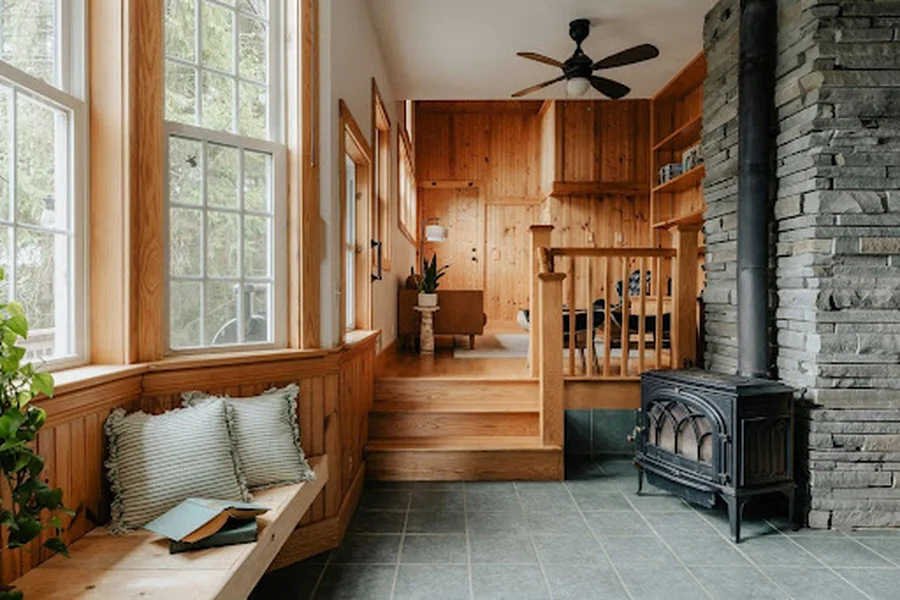
There is something inherently intimate and cozy about a reading nook. It is a corner of a home that invites stillness, curiosity, and escape. Unlike a living room, which is often designed for communal activity, or a kitchen, where functionality reigns, a reading nook is more intimate. It is a retreat that balances comfort, style, and sensory experience. Creating one that feels both cozy and luxurious requires attention to proportion, materials, lighting, and subtle decorative flourishes.
Understanding Space and Proportion
The first step in designing a reading nook is understanding the space it will occupy. While reading corners are often small, their success depends on scale. Furniture must be proportional: a chair that is too small will feel unsupportive, while an oversized armchair may dominate a compact corner. Designers frequently look to layering scale: pairing a generous seat with a compact side table or floating bookshelves that do not overwhelm.
Spatial flow is equally important. Even in a tucked-away corner, the nook should feel accessible and inviting, not isolated or boxed in. Sightlines to the rest of the room, a nearby window, or a fireplace can heighten the sense of connection while maintaining the nook’s private character. Ultimately, the ideal nook balances intimacy with openness, making it feel like a quiet retreat and not like a neglected corner.
Choosing the Right Seating
The choice of seating is pivotal to both comfort and luxury. Designers often favor deep, upholstered armchairs or chaise lounges that encourage hours of reading without fatigue. Curved forms, wingback designs, and soft cushioning create a sense of embrace, subtly signaling that this space is meant to hold the body and the imagination.
Material selection elevates the experience. Rich velvets, supple leathers, or tactile woven fabrics feel luxurious while remaining warm and inviting. Even small details such as stitched seams, tufting, or a subtle pattern contribute to the overall sense of quality. Designers frequently balance visual richness with comfort, avoiding anything overly stiff or ornate that would compromise the nook’s primary function.
Complementary seating, such as a pouf or ottoman, offers versatility, allowing the reader to extend their legs or accommodate a companion. These secondary pieces, while smaller, must echo the material and aesthetic of the primary chair to maintain cohesion.
Lighting That Sets the Mood
Lighting transforms a reading nook from functional to magical. Natural light is ideal, flooding the space with warmth while reducing eye strain. Designers often position reading nooks near large windows or skylights, taking advantage of daylight’s ever-changing character.
Artificial lighting, when layered thoughtfully, ensures the nook remains inviting after dusk. A combination of overhead ambient lighting, a dedicated reading lamp, and subtle accent lights can create depth and comfort. Adjustable task lighting allows the reader to focus on their book without harsh glare, while softer ambient lighting fills the corner with a gentle glow. A strategically placed floor lamp or wall sconce can also contribute sculptural elegance, reinforcing the sense that every element in the space is curated.
Materials That Feel Both Warm and Refined
Texture is central to making a reading nook feel cozy without sacrificing luxury. Soft rugs, plush throws, and cushioned seating invite the body to relax, while more enduring surfaces, such as wood, stone, or metals, provide visual grounding. The layering of materials creates tactile and visual interest, encouraging touch as well as sight.
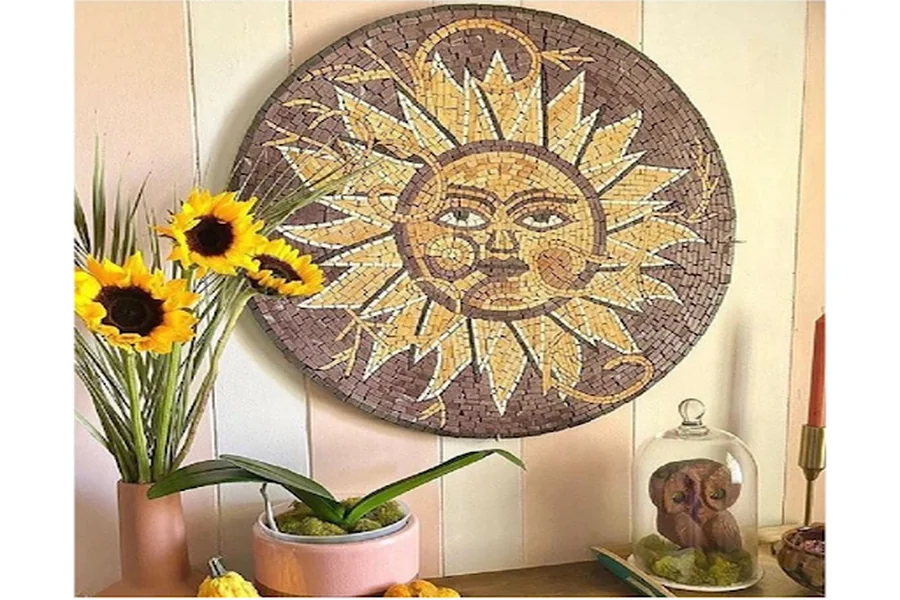
A small but impactful design strategy is the use of detailed surfaces that hint at artistry. Custom mosaics can define a nook, placed in flooring, a tabletop, or even embedded in a side wall. Their patterning and texture catch light and offer a quiet sense of craft, providing visual depth without dominating the space. These elements introduce a sense of permanence and refinement, signaling that the nook has been intentionally designed rather than improvised.
Color Palettes That Encourage Comfort
Color in a reading nook plays a dual role: it sets the emotional tone and enhances the perception of comfort. Warm, muted tones often dominate, creating an enveloping sense of calm. Creams, taupes, soft greys, and gentle browns provide a neutral backdrop that allows furnishings, artwork, and personal objects to shine.
Accent colors, carefully chosen, can add personality without overwhelming. Jewel tones, soft pastels, or deep earthy hues offer visual richness, supporting a luxurious feel. Designers often incorporate these accents in textiles, cushions, or even ceiling treatments, creating subtle layers of color that feel cohesive and intentional. The goal is a palette that soothes the eye, encourages lingering, and harmonizes with the home’s overall aesthetic.
Integrating Art and Personal Touches
Art is a transformative element in a reading nook. A single piece can change the mood of the space, convey personality, and inspire contemplation. Celestial mosaics, for instance, can imbue a corner with wonder and narrative. Their intricate design and reflective surfaces draw the eye upward, creating a sense of depth and movement that complements the intimacy of the seating area.
Beyond mosaics, personal collections, framed prints, or curated objects add meaning. A reading nook becomes more than a functional corner when it reflects the tastes, memories, and interests of its inhabitant. Designers emphasize moderation here: objects should feel deliberate rather than cluttered, contributing to the space’s layered but tranquil atmosphere.
Functional Surfaces and Storage
A cozy yet luxurious nook is not only beautiful but practical. Small side tables, integrated shelving, or niche storage keep books and reading materials within easy reach while maintaining visual harmony. The surfaces themselves can become part of the aesthetic: a lacquered table, a stone side ledge, or a low wooden shelf can serve both function and style.
Built-in solutions are especially effective in maximizing space. Shallow shelving along a wall or beneath a window seat ensures that books are present but not overwhelming, maintaining a clean, composed look. The inclusion of storage demonstrates that the nook is a lived-in space designed to support extended engagement rather than a static vignette. height
Flooring That Invites Relaxation
Flooring is more than just a practical consideration; it can influence the emotional feel of the nook. Soft, layered rugs provide comfort underfoot, but designers increasingly experiment with unexpected materials to create interest. A mosaic rug, for example, can delineate the reading area with artistry and craftsmanship, signaling intentionality while adding subtle visual texture. Stone or wood beneath a plush layer creates depth, balancing warmth with refinement.
The choice of flooring reinforces the nook’s role as a distinct, inviting zone within a larger room. It defines space without erecting barriers, creating a psychological as well as physical boundary that encourages retreat.
Incorporating Nature
Plants and natural elements bring vitality to a reading nook. A strategically placed plant can soften lines, introduce organic texture, and even improve the sense of wellbeing in the space. Natural light enhances the effect, and pairing greenery with tactile materials such as wood, stone, or textiles amplifies the sensory experience.
Small planters or low-maintenance indoor trees work well, ensuring that the space remains uncluttered and low-maintenance. Seasonal touches, like dried florals or fresh branches, offer subtle variation, reminding the inhabitant that the nook is connected to the rhythms of life outside the home.
Creating Layers for Depth
Layering is central to achieving luxury in a small space. Cushions, throws, rugs, furniture, and artwork combine to create a tactile and visual hierarchy that makes the nook feel considered. Designers often mix textures: a velvet chair paired with a wool throw and linen pillows creates richness without ostentation.
Even light layering contributes: a small table lamp, soft wall light, and accent candle can provide varying levels of illumination, transforming the space as needed. Each layer is deliberate, chosen to enhance comfort, intimacy, and aesthetic appeal.
Tailoring the Nook to Your Lifestyle
No two reading nooks should feel identical. The best designs consider the inhabitant’s habits and preferences. Some readers prefer a sunny bay window, others a cozy corner with soft, diffused light. Some like a minimalist backdrop, others enjoy surrounding themselves with books and personal mementos. The goal is always alignment between function, comfort, and aesthetic sensibility.
Custom touches, like built-in seating, bespoke shelving, or a personalized arrangement of mosaics and textiles, reinforce this alignment. The space becomes a reflection of the individual as much as a design statement, combining intimacy with sophistication.